How to Plan a Food-First Trip to China: An Eating-Led Itinerary Guide
Reverse the Usual Plan
Most itineraries start with sights and fit meals around them. A food-first trip reverses that: the dishes come first, and the cities earn their place on the route because of what they cook. China is one of the few countries where this works at national scale — the regional food differences are deep enough that travelers genuinely plan journeys around eating.
Pick Your Food Regions First
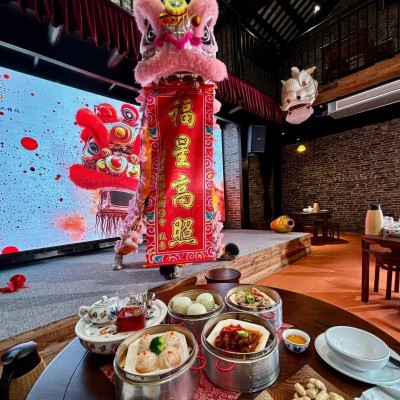
China's food map is regional, and the differences are real. Cantonese cooking (Guangzhou, Shunde, the coast) runs on freshness, dim sum culture and seafood. Sichuan and Chongqing own the bold, spicy, numb flavor profile. Chaoshan on the eastern coast is a beef-and-seafood craft region with its own sauces. Northern kitchens lean into wheat — dumplings, noodles, pancakes — while the Yangtze delta does delicate, slightly sweet precision cooking. Choose two or three regions whose flavors you actually love, and the cities follow automatically.
Pace the Day Around Meals
An eating-led day has a different rhythm from a sightseeing day. Breakfast is a real meal (morning tea in the south, baozi and soy milk in the north). Lunch is the exploratory meal — markets, food streets, the regional specialty. The afternoon stays light, because dinner is the day's main event: a long meal, often hot pot or a regional restaurant worth traveling for. And night markets are the flexible dessert-and- skewers course. Two full eating days per city is a good pace; three dishes per meal beats ten.
Match Cities to the Dishes Worth Traveling For
A few pairings reward the food-first approach. Guangzhou and Shunde for Cantonese craft and dim sum. Chengdu and Chongqing for Sichuan and hot pot culture. Chaoshan for beef and coastal seafood. Shanghai and the delta for delicate seasonal cooking. Each city supports two or three full eating days without repeating a dish style — which is the test of a real food destination.
Book the Meals, Not Just the Trains
Food-first travel changes what you reserve. Famous restaurants in food cities take bookings and fill them; markets are best in mornings; and cooking classes or food walks benefit from a day's notice. Keep one flexible meal per day for street discovery — the unplanned stall is often the trip's best memory — but the anchor meals deserve the same booking discipline as trains.
Frequently Asked Questions
Which region should a food-first trip start with?
Cantonese country — Guangzhou, Shunde and the coast — is the most accessible starting point: the flavors are broad, the breakfast culture is unmatched, and the region's food infrastructure is built for visitors. Spice-focused eaters should point at Chengdu and Chongqing instead.
How many days does a food region need?
Two to three full eating days per region, plus travel time. Fewer and you repeat dishes; more and the meals stop feeling special. A two-region trip over ten days is the sweet spot for most food-first travelers.
Do I need to speak Chinese to eat well?
No. Pointing, picture menus and busy-stall logic carry you through markets and small restaurants. In established food cities, staff are used to international diners — and our food guides cover the regional dishes by name so you know exactly what to ask for.
Recommended China Travel Tours
Pair your planning with a hand-picked itinerary from our real tour collection:
- Guangdong Cantonese Food & Intangible Heritage Tour — 6 Days — A six-day eating-led route through Guangdong's food and craft traditions — the closest thing in our collection to a fully food-first itinerary.
- China Speed: Guangzhou-Shenzhen Tech & Culinary — 5 Days — Five days pairing the Greater Bay Area's food streets with its tech districts — for travelers who want meals to lead and sights to follow.
About the Author — Luppy · Senior Group Travel Consultant
Luppy plans group trips, corporate missions and family gatherings of ten or more, handling logistics, transfers and day-to-day arrangements across China.
Ready to Eat Your Way Through China?
Email Sam for custom itineraries built around your dates.
Email Luppy for group and family bookings (10+ travelers).
Visit ChinaTravelPlus.com for the full collection.
More Than Travel. It's the Plus That Matters.