
Intangible Cultural Heritage of China: Where to Watch Living Crafts
China keeps more than forty entries on UNESCO's intangible heritage lists — the most of any country — and the great majority are working trades rather than museum pieces: kilns still firing, looms still running, indigo vats still fermenting, opera stages still lit.
This hub collects our guides to that living heritage and adds the practical layer: which city to visit for which craft, how to watch a workshop without intruding, when each tradition is at its most active, and how to buy a piece you can trust.
New to the subject? Start with China's intangible cultural heritage in context or the hands-on heritage travel guide.
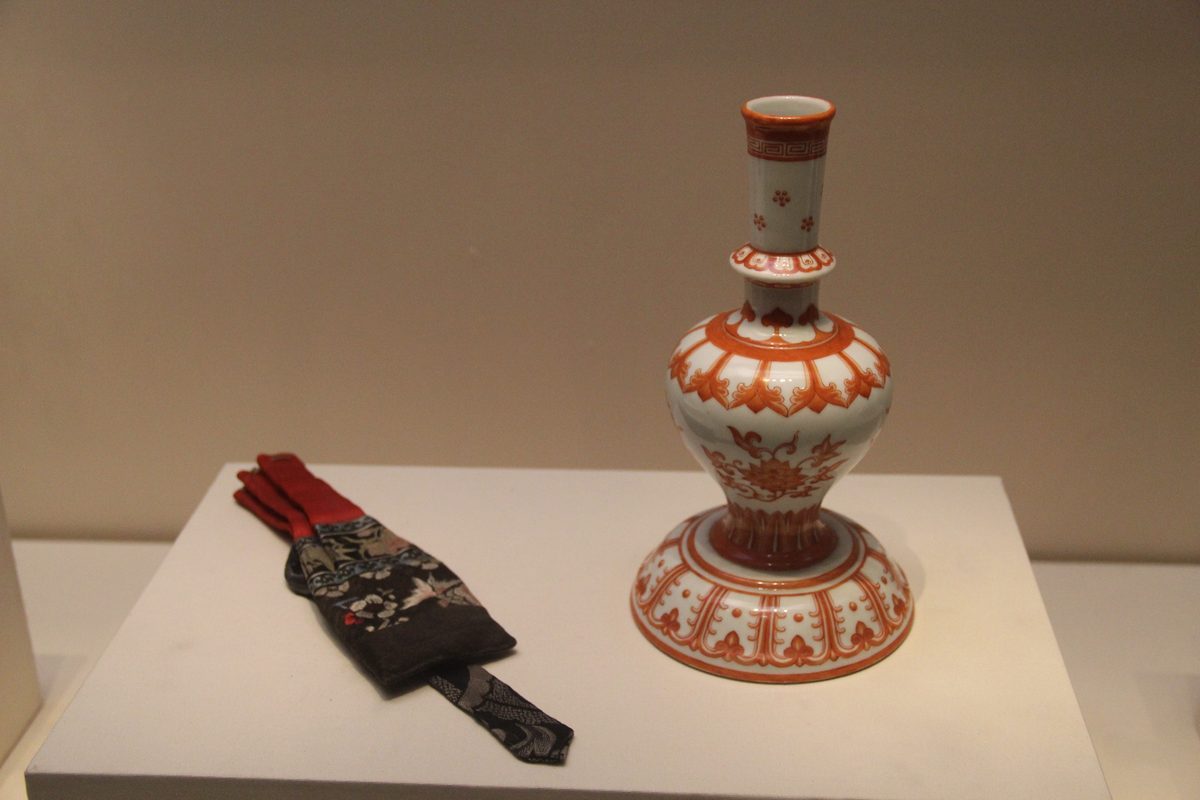
Porcelain & Ceramics
Jingdezhen has fired China's finest porcelain for a thousand years, and the trade never stopped: the imperial kiln ruins and ceramics museum explain the craft's history, the studio districts still turn out work by hand, and the markets sell everything from everyday sets to signed pieces. Visitors can watch the wheel, try throwing or painting in a short class, and buy where the work was made.
- Jingdezhen Porcelain: Kilns and StudiosThe old kiln sites, working studios, and where to throw or paint a pot yourself.
- A Traveler's Craft Map of ChinaWhere every tradition works, region by region — the planning piece to read first.
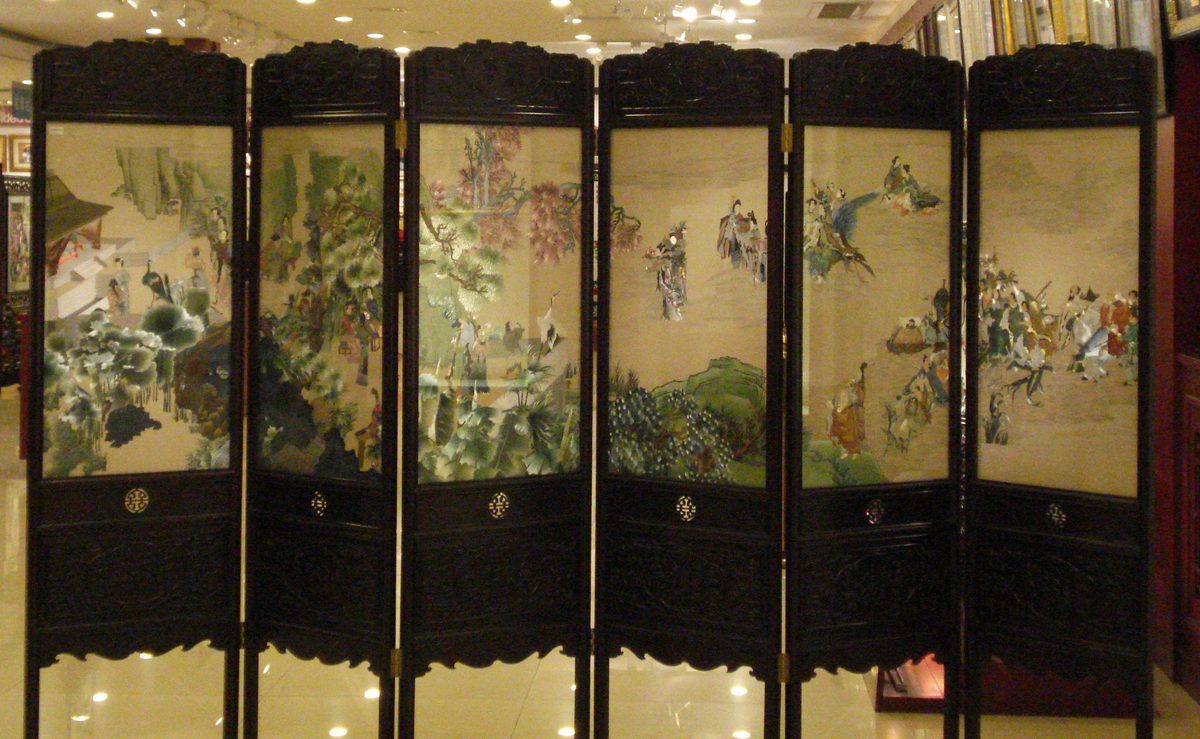
Silk & Textiles
Suzhou built its fortune on silk, and the needle traditions still run: the silk museum walks the whole process from mulberry leaf to finished bolt, embroidery studios keep the split-silk work alive, the textile markets sell by the metre, and tailors will turn a length of cloth into a garment within days. Guangdong adds a second, stranger textile — gambiered Canton silk, finished with river mud and sun.
- Suzhou Silk and EmbroideryMuseums, embroidery studios, fabric markets — and how to commission a piece.
- Gambiered Canton SilkThe sun-and-mud silk of the Pearl River delta: how it is made, where it survives.
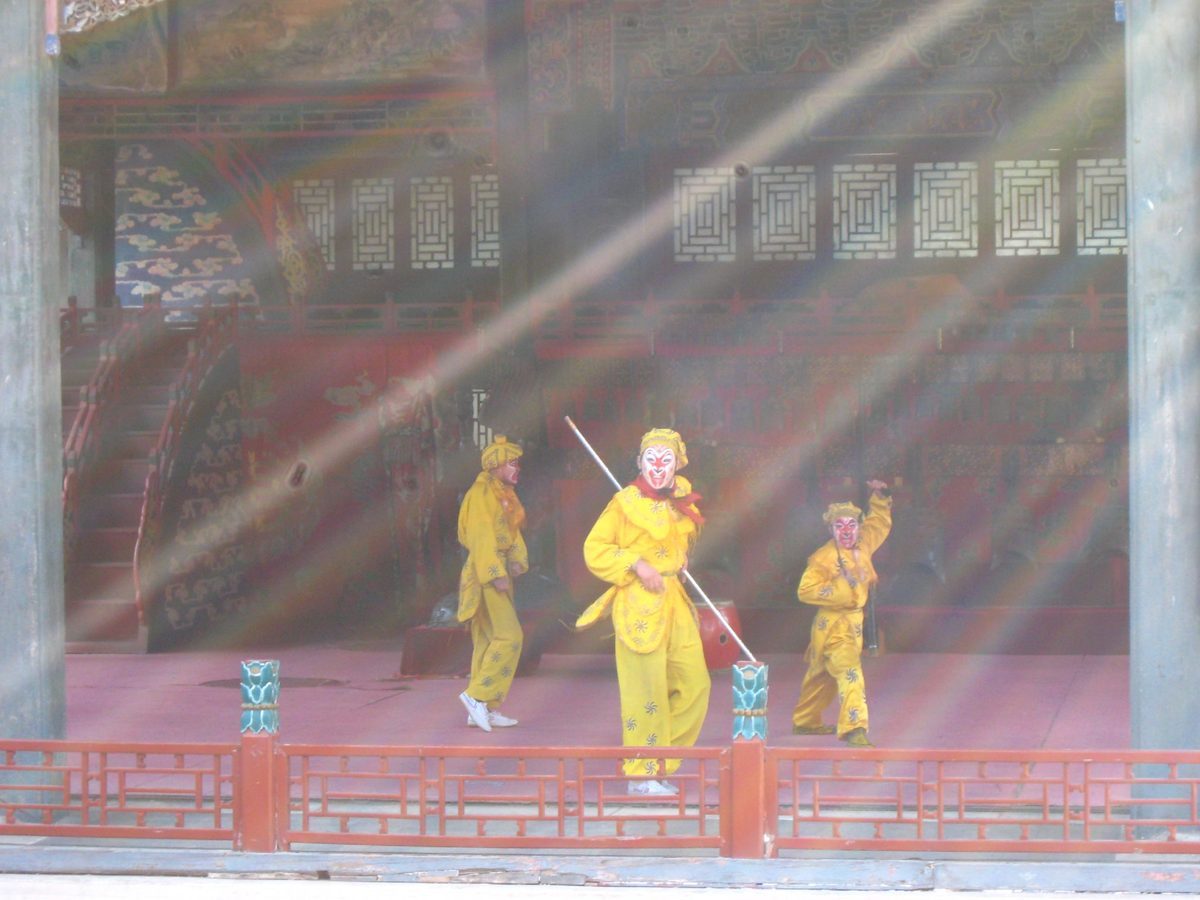
Performance & Opera
The performing crafts are the easiest living heritage to experience: a night at the opera in Beijing, face-changing in a Chengdu teahouse, or a shadow-puppet show behind a lit screen in Xi'an or Pingyao. All three run on stage grammar rather than language — colours, masks and gestures carry the story — so first-timers can follow without a word of Chinese, and the programmes are short enough for a family evening.
- Peking Opera for VisitorsRoles, masks and gestures — plus where to watch in Beijing and how to book.
- Sichuan Opera Face-ChangingWhat the mask trick really is, and how to plan a Chengdu teahouse night.
- Shadow Puppetry in Xi'an and PingyaoThe oldest screen in China: small theatres, workshops and how to buy a figure.
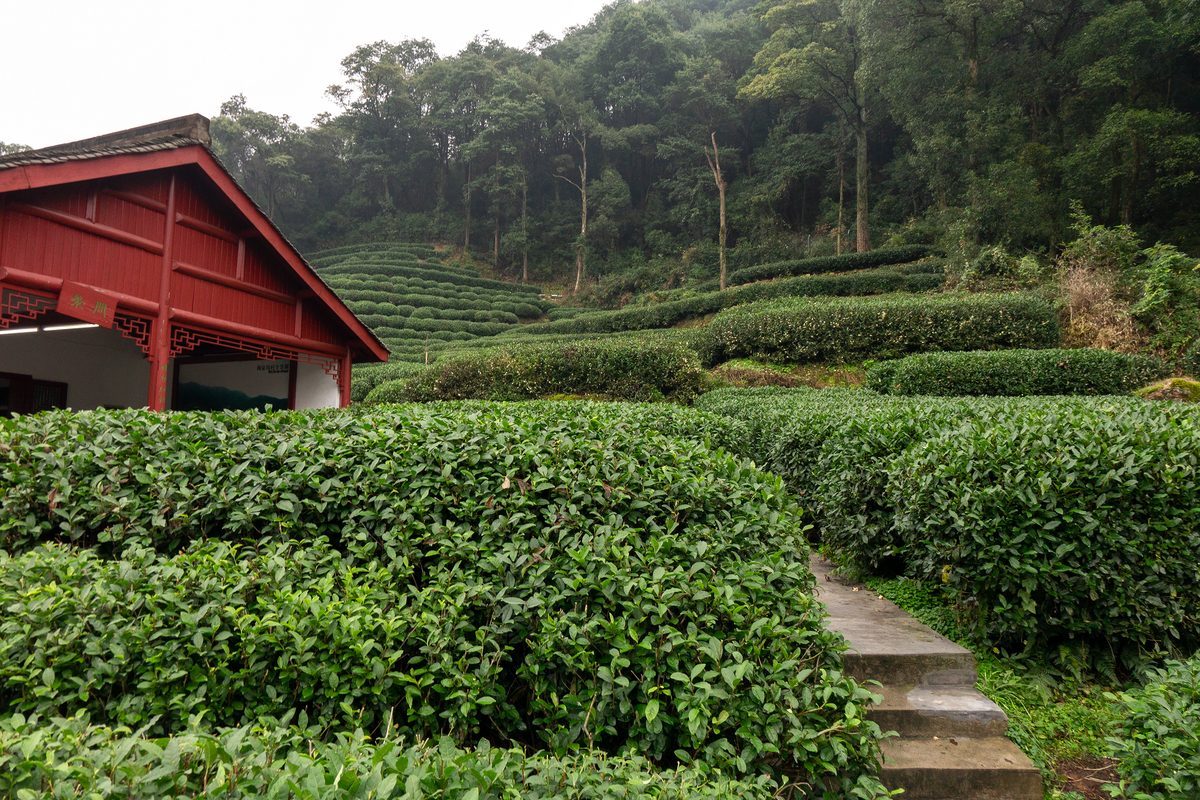
Tea, Paper & Ink
Hangzhou's tea hills are the most visitable craft landscape in China: terraced bushes, village workshops and pan-firing done by hand, with the first flush picked around early April. Anhui supplies the other half of the scholar's table — xuan paper lifted sheet by sheet from a vat, ink pounded thousands of times and pressed into sticks, and inkstones carved from local stone. Both regions sit within easy reach of the Yangtze delta cities.
- Longjing Tea: Picking and TastingThe Hangzhou hills, the picking seasons, and how to taste and buy with confidence.
- Xuan Paper and InkThe villages behind Chinese painting: how paper and ink are made by hand.
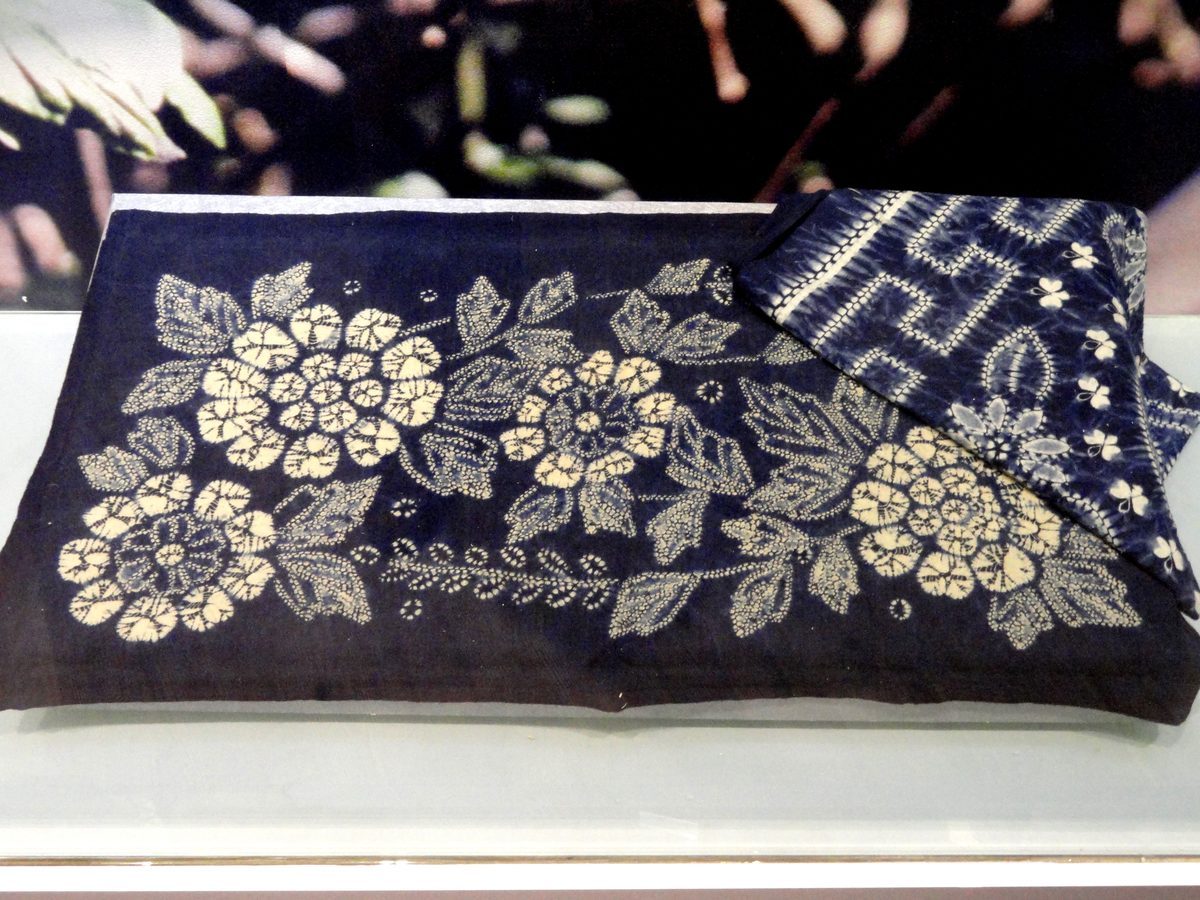
Village Crafts & Dyeing
In the villages of the southwest, dye vats and looms are still everyday tools. Around Dali, Bai families fold, stitch and bind cloth before dipping it in indigo until the pattern emerges, and the finished lengths dry across courtyards in the mountain sun. Two- to three-hour classes are easy to arrange in Zhoucheng, Guizhou adds batik and weaving, and Guangxi keeps brocade and Dong choral traditions alive.
- Dali Tie-Dye: A Craft WeekendIndigo vats, Bai workshops, and how to take a class around Zhoucheng.
- Browse the full Intangible Cultural Heritage collectionEvery craft guide in one place, grouped by trade and region.
Where to Go: Craft Cities at a Glance
- CityCraftWhat to see and doBest time
- JingdezhenPorcelain & ceramicsKiln ruins, ceramics museum, studio districts, weekend marketsAll year
- SuzhouSilk & embroiderySilk museum with live looms, embroidery studios, textile marketsSpring & autumn
- HangzhouLongjing teaLongjing and Meijiawu villages, pan-firing workshops, tasting roomsApril peak
- BeijingPeking operaSignature theatres with subtitles, old-style halls, teahouse excerptsAll year
- ChengduSichuan operaTeahouse theatres and dedicated opera houses, nightly programmesAll year
- Xi'an & PingyaoShadow puppetryFolk museums, nightly small-theatre shows, craft yardsSpring & autumn
- AnhuiXuan paper & inkPaper villages lifting sheets by hand, ink workshops, inkstone carvingAll year
- DaliBai tie-dyeZhoucheng dye yards, indigo classes, old-town marketsSpring & autumn
- Guangzhou & FoshanGambiered Canton silkFamily silk yards, delta craft towns, textile marketsSummer dyeing
Three Ways to Experience a Craft
- WatchMuseum demonstrations and working studios are the easiest entry — kiln museums, live silk looms, pan-firing, dye yards. Mornings are the productive hours, and a quiet question usually earns an explanation.
- LearnShort classes run two to three hours: throwing or painting porcelain, dyeing cloth, cutting a shadow figure, tasting and firing tea. Book a day or two ahead, and expect to leave with something you made.
- BuyBuy where you watched the work happen. Ask what the material is, who made it and how long it took — the answer is the price logic. Larger pieces can usually be packed and shipped home.
Sample Craft Itineraries
- Shanghai: arrival, delta craft markets and museums
- Suzhou (2 nights): silk museum, embroidery studios, fabric market, one garden
- Hangzhou (2 nights): West Lake, Longjing and Meijiawu villages, tea tasting and firing
- Jingdezhen (2 nights): kiln ruins, ceramics museum, studio class, markets
- Chengdu: teahouse evening with Sichuan opera face-changing
- Leshan and Mount Emei (2 nights): the river Buddha, then the mountain's summit walk
- Dali (3 nights): old town and market, Zhoucheng tie-dye class, lakeside villages
- Guiyang and the Miao villages (3 nights): batik, embroidery and silver workshops
Buying Well: Authenticity, Prices and Shipping
- Buy at the source: studios and museum shops price the work honestly; general souvenir stalls often sell imitations.
- Ask about material and process — genuine silk warms in the hand, hand-painted porcelain shows brush marks, tie-dye keeps its softness.
- Expect handwork prices: a piece that took weeks should cost more than a mass-produced one, and the maker will explain why.
- Plan for shipping: studios pack porcelain, textiles and paper properly; large items travel better as cargo than in a suitcase.
Studio Etiquette
- Ask before entering a working studio, and never step between an artisan and the light.
- Photograph with permission, without flash, and put the phone away during demonstrations if asked.
- Skip the national holiday weeks — many workshops close and teachers travel.
When to Come
Frequently Asked Questions
Where can travelers see traditional crafts in China?
Across every region: ceramics in Jingdezhen, silk and embroidery in Suzhou, tea craft in Hangzhou, opera and shadow play in Beijing, Chengdu, Xi'an and Pingyao, paper and ink in Anhui, tie-dye in Yunnan, and gambiered silk in Guangdong.
Can visitors take part in a craft class?
Yes — many studios run short hands-on sessions: throwing or painting porcelain, dyeing cloth, painting shadow figures, or tasting and firing tea. Book a day or two ahead, and expect sessions in the morning.
How do I know an item is genuinely handmade?
Watch the work being done, ask what the piece is made from, and buy from the studio or a museum shop rather than a general souvenir stall. Hand-work carries the marks of its making — and a price to match.
How much time should I give each craft?
One craft per day works best: a morning to watch the making and an afternoon for a class or the markets. Trying to cover two crafts in a day usually means watching neither properly.
Do I need to speak Chinese to enjoy the performances?
No. Opera and shadow puppetry run on visual grammar — colours, masks and gestures — and the main theatres provide bilingual subtitles or synopsis sheets for first-timers.
Can craft purchases be shipped home?
Usually yes. Studios and museum shops pack porcelain, textiles and paper for travel, and larger pieces are better sent as cargo. Ask about the maker's shipping options when you buy.
Planning a craft trip?
Tell us which crafts and which season you want, and we will build the route around the workshops — studio visits, classes, performances and the cities in between.
Groups of ten or more travel on custom arrangements with logistics handled end to end.
Photographs: Wikimedia Commons — Qing-dynasty porcelain vase (CC0); Suzhou double-sided embroidery screen (CC BY-SA 3.0); Peking opera performance (CC BY-SA 2.0); Longjing tea terraces at Meijiawu (CC BY-SA 4.0); Bai tie-dyed cloth, Yunnan Provincial Museum (public domain).