China's Teahouses: A Slow Afternoon Guide for Travelers
The Afternoon Institution
Every Chinese city has restaurants and cafes. What many have — and what travelers often miss — is the teahouse: a room where a pot of tea buys you the whole afternoon, refills arrive without asking, and chess, cards and conversation run for hours. The teahouse is China's original third place, and spending one slow afternoon in one teaches more about local life than a day of sightseeing.
The Types You Will Meet
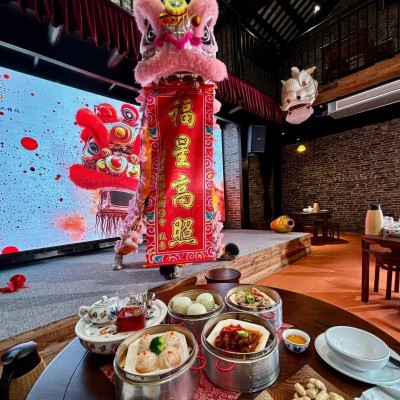
The Chengdu teahouse is the classic: bamboo chairs, lakeside or lane-side seating, covered gaiwan bowls and a refill culture that treats water as a right. Northern cities add opera and performance teahouses, where tea comes with a show. Jiangsu and Zhejiang have their own garden-side traditions, and Chaoshan's gongfu tea culture runs on small pots and short, concentrated brews. Each is a different afternoon; all share the same pace.
How Ordering Works
In most teahouses you order a tea by pot or by bowl, and the refill is part of the deal — the water keeps coming as long as you stay. Snacks and light dishes are usually available and charged separately. In Chengdu's park teahouses, payment is at the table or on the way out; in more formal houses, pick a tea from the menu and the staff will walk you through it. None of it requires speaking Chinese beyond pointing.
The Ritual Worth Learning
Tea in a teahouse is less about tasting notes and more about permission — the pot gives you the afternoon. Locals settle in for chess or cards, newspapers or conversation. The traveler's version: bring a book or a notebook, order one pot, and stay three hours. Watch how refills work, how the lidded gaiwan is used to sip and stir, and how the room's rhythm slows to match the tea.
Where to Spend the Afternoon
Chengdu's park teahouses are the most famous and the easiest for first-timers. Beijing's old teahouses add performance to the pot. Hangzhou and the lake cities pair tea with gardens. And Chaoshan treats tea as a daily craft worth an entire dedicated visit. Wherever you are, the teahouse is usually within walking distance of the old town — which is exactly where it belongs.
Frequently Asked Questions
Do teahouses charge by the hour or by the pot?
Almost always by the pot or bowl, with unlimited refills included. Some performance teahouses add a show charge. A few upscale houses price premium teas per serving — the menu makes it clear.
Can travelers without any tea knowledge enjoy a teahouse?
Completely. Point at what other tables are drinking, order the house tea, and stay. Staff refill regularly, and the afternoon is designed for lingering — no expertise required.
Which cities have the best teahouse culture?
Chengdu is the classic and the most visitor-friendly. Beijing adds performance teahouses. Hangzhou and the lake region pair tea with gardens, and Chaoshan runs a daily gongfu tea culture that is its own education.
Recommended China Travel Tours
Pair your planning with a hand-picked itinerary from our real tour collection:
- Guangdong Cantonese Food & Intangible Heritage Tour — 6 Days — Tea culture woven through a food journey: the six-day Guangdong route pairs morning tea with the region's craft traditions.
- Yunnan Highland Agriculture & Trade Mission — 5 Days — Yunnan is China's tea heartland — a five-day highland route that follows tea, coffee and flower country from source to cup.
About the Author — Luppy · Senior Group Travel Consultant
Luppy plans group trips, corporate missions and family gatherings of ten or more, handling logistics, transfers and day-to-day arrangements across China.
Ready to Plan Your China Trip?
Email Sam for custom itineraries built around your dates.
Email Luppy for group and family bookings (10+ travelers).
Visit ChinaTravelPlus.com for the full collection.
More Than Travel. It's the Plus That Matters.