Chinese Breakfast Culture: What Locals Eat in the Morning and Where to Try It
The Most Local Meal in China
Dinner in China gets the fame, but breakfast is the meal that shows you how the city actually lives. In Guangzhou, morning tea stretches for hours over bamboo baskets; in northern cities, steamer stacks billow beside soy-milk pots; in Wuhan, an entire street eats breakfast standing up. For travelers, breakfast is also the easiest local meal to join — it is cheap, fast, everywhere, and no reservation is needed.
Cantonese Morning Tea: Breakfast as an Event
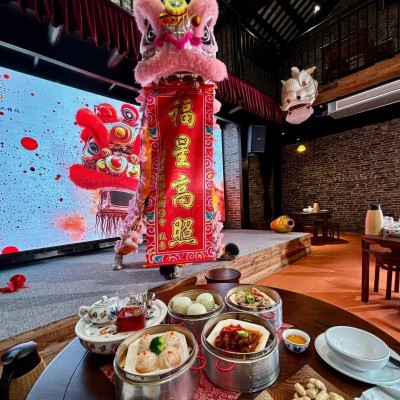
In Guangzhou and across Guangdong, breakfast is morning tea (yum cha): pots of tea, carts and steamer trays of dim sum, and tables of regulars who treat the whole morning as social time. The classics — shrimp dumplings, pork siu mai, rice rolls, BBQ pork buns — arrive in small steamer baskets, and ordering is a mix of menu ticks and pointing at passing carts.
Two practical notes make it easy. Morning tea peaks between roughly 8:00 and 10:30, so arrive early for a table at the famous old teahouses. And it is genuinely slow dining — plan the morning around it rather than squeezing it before a sight.
The North: Baozi, Soy Milk and the Steamer Street
Northern breakfast runs on steam. Baozi shops open early with trays of filled buns, soy milk is sold warm by the bowl or cup, and youtiao (fried dough sticks) get dipped into it. Congee with side dishes, jianbing crepes cooked on griddles, and tea eggs round out the standard set. The rhythm is grab-and-go: most customers eat standing or walking, which makes the northern breakfast street a quick, low-cost way to start a sightseeing day.
Wuhan and the Breakfast Street Culture
Wuhan takes breakfast furthest — the local term "guozao" (passing the morning) is practically a meal category. Streets fill with stalls selling hot dry noodles (reganmian), doupi, fried dough and soups, and locals eat while walking to work. For travelers it is one of the most memorable breakfast scenes in the country: arrive hungry, walk the street, and build a breakfast from three or four stalls instead of one.
How to Order Breakfast Like a Local
Breakfast ordering is simpler than dinner. Point at what you want, hold up fingers for quantity, and pay by scan or small change. At morning tea, tick the paper menu or grab from carts. Queue culture varies: baozi shops form lines that move fast, while morning tea rewards patience. Carry small change or set up mobile payment the night before — many breakfast stalls are the least card-friendly meal of the day.
Frequently Asked Questions
What time does breakfast end in China?
It depends on the city. Northern baozi and soy-milk stalls wind down by mid-morning; Cantonese morning tea runs late, often past 11:00; and Wuhan's breakfast streets serve until roughly 10:30 before switching to lunch. Early starts catch the best of all three.
Is street breakfast safe for international travelers?
Stalls with steady local queues turn food over quickly — the best freshness signal anywhere. Choose busy stalls, watch it cooked in front of you, and stick to bottled drinks if your stomach is cautious on day one.
Do I need to speak Chinese for breakfast?
Pointing and fingers cover nearly everything at stalls. At morning tea, picture menus and cart-pointing work the same way. Staff in tourist-familiar cities are used to international guests — breakfast is the friendliest meal to practice on.
Recommended China Travel Tours
Pair your planning with a hand-picked itinerary from our real tour collection:
- Guangdong Cantonese Food & Intangible Heritage Tour — 6 Days — Morning tea is only the start — a six-day route through Guangdong's food and craft traditions, built for travelers who eat their way through a region.
- China Speed: Guangzhou-Shenzhen Tech & Culinary — 5 Days — A five-day Greater Bay Area loop that begins each morning the local way: tea, dim sum and neighborhood breakfast streets before the city gets to work.
About the Author — Luppy · Senior Group Travel Consultant
Luppy plans group trips, corporate missions and family gatherings of ten or more, handling logistics, transfers and day-to-day arrangements across China.
Ready to Eat Your Way Through China?
Email Sam for custom itineraries built around your dates.
Email Luppy for group and family bookings (10+ travelers).
Visit ChinaTravelPlus.com for the full collection.
More Than Travel. It's the Plus That Matters.