Custom China Tours 2026 | Visa-Free Travel | FOOD CULTURE • ETHNIC TRAILS • KARST MOUNTAINS • WATER TOWNS
New to China?
First time in China — start hereGuides, attractions and province ideas for a first tripFirst-Timer Guides
Province Spotlights & Ideas
Been Before?
Repeat visitors — go deeperSlower journeys, seasonal routes and second-trip ideasCurated for Repeat Travelers
Tours by Style
Plan & Prepare
Get Inspired
- Destinations by RegionCity and region guides across China
- Provincial Attraction GuidesIn-depth guides to top attractions
- Culture & StoriesFood, festivals, heritage and local life
- Living Crafts & HeritagePorcelain, silk, opera, tea and village crafts — where to watch them made
- Our ExperienceTraveller stories from real China trips
- News & UpdatesRoutes, events and policy news
Help & Booking
Read & Explore

New to China?
First time in China — start hereGuides, attractions and province ideas for a first tripFirst-Timer Guides
Province Spotlights & Ideas
Been Before?
Repeat visitors — go deeperSlower journeys, seasonal routes and second-trip ideasCurated for Repeat Travelers
Tours by Style
Plan & Prepare
Get Inspired
- Destinations by RegionCity and region guides across China
- Provincial Attraction GuidesIn-depth guides to top attractions
- Culture & StoriesFood, festivals, heritage and local life
- Living Crafts & HeritagePorcelain, silk, opera, tea and village crafts — where to watch them made
- Our ExperienceTraveller stories from real China trips
- News & UpdatesRoutes, events and policy news
Help & Booking
Read & Explore
Deep Dive into Guangdong Food Culture | Cantonese, Chaoshan, Hakka Cuisines Guide
Deep Dive into Guangdong Food Culture
Question
Quick Answer
Detailed Answer
Cultural Essence of "Eating in Guangdong"
- Cantonese Cuisine: Centered in Guangzhou, blending indigenous Nanyue culture, Central Plains migrant skills, and overseas trade ingredients — emphasizing "clear, fresh, crisp, tender, and smooth"
- Chaoshan Cuisine: Originated from Chaoshan Plain, with mountain and sea geography creating ultimate utilization of seafood and mountain products — emphasizing "cooking meticulously and chopping finely"
- Hakka Cuisine: Developed after Hakka people migrated south and adapted to mountain environments — featuring "stuffed" techniques, rich and salty flavors, focusing on poultry and mountain ingredients
Cantonese Cuisine: The Philosophy of Clear, Fresh, Crisp, Tender, and Smooth
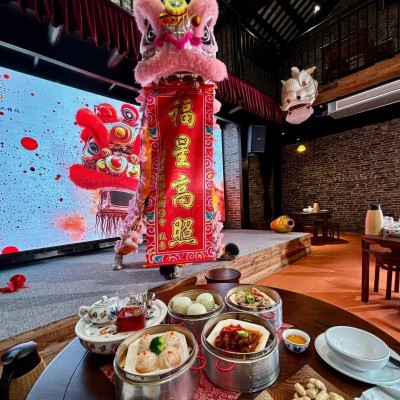
Guangzhou Morning Tea Culture: The Ritual of "One Pot, Two Dim Sum"
- Social Space: Old neighbors meet after morning exercise, chatting for hours over tea and dim sum
- Family Gathering: Whole families gather at teahouses on weekends, enjoying lively family bonding
- Living Culture Card: Har gow, siu mai, char siu bao, cheong fun — each dim sum embodies Lingnan culinary wisdom
- 24-Hour Deadline for Traditional Dim Sum
- Traditionally hand-made morning tea food must be served within 24 hours of production
- Har gow, siu mai, char siu bao, cheong fun and other classic dim sum must be made and sold on the same day
- Eliminates the practice of reheating overnight semi-finished products or frozen storage items
- Production Method Must Be Clearly Indicated
- Teahouses must clearly mark each dim sum's production method in the most visible menu position
- Distinguish between "traditional on-site made" and "non-traditional pre-made"
- Different pricing allowed for the same dim sum made by different methods, letting consumers choose freely
- Transparent Kitchen Mandatory Implementation
- Teahouses must use glass kitchens, open operation areas, real-time monitoring screens, or visitor channels
- Consumers can intuitively watch chefs making dim sum — freshness you can see brings peace of mind
- Tea Charge Regulations
- Tea charges must include multiple options: black tea, green tea, oolong, pu'er, chrysanthemum tea
- Prices must be clearly marked, ensuring consistency between menu, price tags, and ordering apps
- Eliminates practices like "charging even if not drinking tea" or "charging infants tea fees"
Teahouse Signature Dim Sum Features Tao Tao Ju Tao Tao Ju Har Gow (13 folds, 3-4 large shrimp) Century-old brand, elegant and refined Dimdexian Golden Sands Red Rice Roll (triple texture: soft + crisp + springy) Innovation meets tradition, chain brand Guangzhou Restaurant Wenchang Chicken, Golden Cup Shrimp Dumpling China Time-honored Brand, "No.1 Restaurant in Guangzhou" White Swan Hotel Yangcheng Fresh Shrimp Dumpling, Olive Nut Sachima Five-star hotel quality, full of ceremony Goose Gong Village Wonton Soup Shahe Fun (national intangible heritage handmade) Goose-focused, rural atmosphere Ming Daming Yuan Hong Kong-style Pineapple Bun, Smooth Pork Stone Ground Cheong Fun Hong Kong style, great value Panyu Hotel Shiqiao White Siu Mai (dace fish siu mai), Crispy Egg San Panyu specialty, local classic Xi Ai Xuan Red Bean Osmanthus Cake, Clam Dace Ball Traditional handmade, nostalgic atmosphere Dong Garden · Guangzhou Flavor Champion Mushroom Siu Mai Traditional skills with innovative interpretation Silver Lamp Restaurant Seaweed Matcha Lava Bao, Matcha Osmanthus Cake Tradition meets innovation
- Four Heavenly Kings: Har gow (shrimp dumpling), Siu mai (pork dumpling), Char siu bao, Egg tart
- Cheong fun: Bula cheong fun, drawer-style cheong fun with pork, beef, shrimp, egg
- Steamed Items: Chicken feet, pork ribs, beef tripe, ox tripe
- Fried Items: Spring rolls, pan-fried dumplings, turnip cake, taro cake
- Sweet Soups: Double-skin milk, Ginger milk curd, Mango pomelo sago, Red bean soup
Shunde: UNESCO City of Gastronomy and Home of Chefs
- Daliang Subdistrict — Dessert Capital
- Jinbang Milk Shop: Double-skin milk, Ginger milk curd (¥10/person, locals' childhood favorite)
- Minxin / Renxin Old Shops: Hualigalu Road stores, the oldest double-skin milk shops
- Shunde Fishing Village: Lingnan No.1 Store, Stuffed dace, Glass pigeon
- Near Qinghui Garden: Sister Huan's Lunjiao Cake (officially certified intangible heritage shop)
- Ronggui Subdistrict — Private Kitchen Hub
- Pork Lady Private Kitchen: No-porridge rice hotpot, Shunde fish sashimi (reservation required, ¥200+/person)
- Feiguang Fish Sashimi: Freshly killed and sliced, exquisite knife skills — peanut oil + salt simplest seasoning brings out true freshness
- Ronggui Fuhua Road Night Food Street: Pork congee, Clay pot dishes, Barbecue — busiest 8pm-2am
- Leliu Subdistrict — Birthplace of Huanglian Roast Goose
- Huanglian Datouhua Roast Goose: Crispy skin crackles when bitten, juicy tender meat — ¥180/whole goose, serves 3-4
- Leliu Food City: "Fish Cake King" — springy and chewy, fragrant and tender inside
- Xingtan Town — Countryside Food Treasure
- Chenlin Roast Goose: Hidden in country lanes, limited daily supply — locals accepted best
- Xingtan Fair and Square Clay Pot Rice: Golden crispy rice crust, fragrant cured pork — ¥30/person, satisfying
- Lecong Town — Home of Fish Tofu
- Zhenzhibao Fish Tofu Old Brand: Tender as tofu, absorbs soup flavor beautifully
- Chencun Huangdan Noodle Restaurant: Paper-thin rice noodles with beef brisket sauce — pure happiness in one bite
- Jun'an Town — Steamed Pork Capital
- Jun'an Steamed Pork Hui (Sanhua Village Store): 2026 intangible heritage shop — whole pig steamed and sliced on-site, fatty but not greasy, melts in mouth — ¥50/person, fills you up
- Cangmen Night Market Stalls: Freshly made fish cakes, springy and juicy
- Lunjiao Subdistrict — Pastry Town
- Sister Huan's Lunjiao Cake: Handmade, rich rice aroma, sweet and sour — ¥15/person
- Yang'e Roast Goose Old Brand: Crispy skin, tender meat, served with plum sauce to cut greasiness
- Chencun Town — Birthplace of Chencun Rice Noodles
- Huangjunji Chencun Noodles: Thin but unbroken, wrapped in beef brisket sauce — legendary
- Maijia Manor Sauna Chicken: Steamed to order, smooth chicken with original flavor
- Longjiang Town — Fried Sesame Ball Town
- Huaji Farm Fried Sesame Balls: Salty, crispy, fragrant with peanut filling inside — mouthwatering bite
- Shaorouqiang Dongtou Roast Pork: Crispy skin, tender meat, fatty but not greasy — perfect with plain congee
- Beijiao Town — New Style Food Hub
- Shunde Fishing Village (Lingnan No.1 Store): Homemade stuffed dace — firm texture, no fishy smell
- Guoranju Restaurant: Glass pigeon — skin crispy as glass, juicy tender meat — 2026 new Sichuan pepper flavor is excellent
- Qinghui Family Banquet — Originated from Shunde noble Long family banquets, exquisite elegant Lingnan style feast
- Signature dishes: Lingnan-style fish sashimi, Jade Hairpin Shrimp Balls, Hundred Flower Stuffed Twin Delicacies
- Reservation required, served in century-old mansion with guzheng performance
- Nine Great Gui (Vessels) Banquet — Lingnan highest standard hospitality, "Gui" derived from Shang and Zhou ritual vessels
- Signature dishes: Fish Maw Water Fish Soup, Lucky Golden Pig, Lingnan True Flavor Chicken
- Traditional nine great gui requires 81 procedures, now regularly available
- Chencun Flower Banquet — Flowers as ingredients, elegant and romantic
- Signature dishes: Chrysanthemum Fish Puree Soup, Rose Sauce Baked Prawns, Jasmine Smoked Pigeon
- Best experience when spring flowers are in full bloom
- Shunde Red Rice Wine Culture — "Qushui Liuxiang" intangible heritage skill
- Signature dishes: Wine-infused double-skin milk, Wine-flavored Mushroom Stewed Fresh Abalone
- Visit red rice wine brewery, learn century-old brewing techniques
- Day 1: Arrive Shunde Station → Hualigalu Pedestrian Street (Minxin double-skin milk + Longan Fried Pork) → Qinghui Garden (Lingnan garden) → Jinbang Shangjie (Fengcheng Fish Skin + Jinbang Milk Curd) → Happy Coast PLUS (Ferris wheel + Pork Lady dinner)
- Day 2: Shunfeng Mountain Park (Asia's largest memorial arch) → Fengjian Water Town (Gondola ride + Steamed pork) → Ronggui Fisherman's Wharf (River view afternoon tea) → Departure
Chaoshan Cuisine: The Ultimate Pursuit of Ingredient Authenticity
Chaoshan Beef Hotpot: Ultimate Deconstruction of a Cow
Cut Characteristics Cooking Time Rating Diao Long (Ribeye) Marbled beef, tender and juicy 8-10 seconds ⭐⭐⭐⭐⭐ Shi Ren (Shoulder Eye) Shoulder meat with tendon, crisp and springy 8-10 seconds ⭐⭐⭐⭐⭐ Shi Bing (Shoulder Fillet) Shoulder fillet with tendon lines 8-10 seconds ⭐⭐⭐⭐☆ Wu Hua Zhi (Five Flower Tendon) Leg tendon, leaf-patterned, super crisp 10-12 seconds ⭐⭐⭐⭐⭐ San Hua Zhi (Three Flower Tendon) Foreleg tendon, slightly tenderer than five flower 10-12 seconds ⭐⭐⭐⭐ Fei Pian (Fatty Slices) Belly meat slices, marbled, smooth 6-8 seconds ⭐⭐⭐⭐ Tender Meat Hip and leg meat, tenderest cut, beginner-friendly 6-8 seconds ⭐⭐⭐⭐ Chest Fat Beef chest oil, crispier the longer it cooks, non-greasy 3-5 minutes ⭐⭐⭐⭐☆ Beef Tripe Omasum, crisp and refreshing 8-10 seconds ⭐⭐⭐⭐ Beef Balls Hand-pounded, springy and juicy 8-10 minutes ⭐⭐⭐⭐⭐
- Transparent Window Slicing: Must see chefs slicing meat on-site, clearly marked parts with prices
- Beef Bone Clear Soup Base: Authentic hotpot only uses beef bones + galangal + corn — never pre-seasoned
- Shacha Sauce + Peanut Sauce: Standard dipping sauce, can add garlic, chili sauce, celery
- Shi Ren / Wu Hua Zhi Availability: These parts are limited — only good shops reliably supply them
- Baheli Haiji: National chain, Shantou main store most authentic — one cow per day, sold out when gone
- Xinghua Wuji: Shantou locals' favorite, fresh meat, great value
- Fuyuan Catering: Not only beef hotpot, also various raw marinades — late-night dining vibe
- Chaoxiang Niu Yan: Branches in Shanghai and elsewhere, consistent quality
Chaoshan Kung Fu Tea: Life Philosophy in Tea Ceremony
- Tea Set Sophistication
- Teapot: Yixing purple clay pot best, emphasizing "small, shallow, complete, aged"
- Teacups: Ruochen cups — walnut-sized, thin white porcelain, perfect for appreciating tea color
- Tea Tray: Tea boat — usually rosewood or bamboo, emphasizing "wide, flat, shallow, white"
- Tea Washer: For washing tea and warming cups
- Tea Selection
- First choice: Phoenix Dancong — from Chaozhou Phoenix Mountain, with hundreds of aromas like honey orchid, duck shit fragrance, yellow branch fragrance
- Second choices: Tieguanyin, Dahongpao and other oolongs
- Kung fu tea brewing emphasizes "first water, second tea, third soup, fourth charm"
- Standard Brewing Process (Eight Steps)
- Prepare Utensils: Boil water, scald and wash tea set
- Load Tea: Fill teapot 70% with tea leaves
- Wait for Water: After boiling, wait for temperature ~95-100°C
- Pour Water: "High pour" — boiling water poured from teapot mouth to make leaves tumble
- Scrape Foam: Use lid to scrape surface foam
- Drench Pot: Pour boiling water over pot exterior to heat and enhance aroma
- Scald Cups: Boiling water scalds cups — rolling cups is kung fu tea's visual treat
- Pour Tea: "Low pour" — circularly pour into each cup ("Lord Guan patrols the city"), final drops "Han Xin selects troops"
- Tea Ceremony Etiquette
- Full cup insults guests: Only fill cups 70% — remaining 30% is human connection
- Elders first: Pour tea for elders and guests first
- Tap thanks: Tap table with curved index and middle fingers to thank someone pouring tea
- First rinse discard, second infusion drink: First infusion discarded, second is good tea
- Chaozhou Paifang Street: Century-old tea houses, watch professional tea ceremony performances
- Phoenix Mountain Tianchi: In Phoenix Dancong's origin, taste tea while viewing tea mountain scenery
- Shantou Old Town: Old tea shops in arcade buildings, drink tea with local tea lovers
- Hakka "Four Points Gold" Residence: Experience most authentic family-style kung fu tea in traditional residences
Chaoshan Food Map: Beyond Hotpot
- Oyster Omelette: Fresh oysters + sweet potato starch + eggs fried — crispy outside, tender inside, served with fish sauce
- Cheong Fun: Chaoshan cheong fun sauce is soul — peanut sauce + soy sauce + braising soup
- Kway Teow Soup: Pork bone soup base with fresh meat, pork offal, meat patties
- Braised Goose: Lion head goose supreme — goose liver, goose intestines, goose feet all delicious
- Raw Marinades: "Chaoshan Poison" — raw marinated crab, raw marinated shrimp, raw marinated blood clams
- Kway Products: Red peach kway, rat shell kway, bamboo shoot kway, rice-less kway — various kways carry festival memories
- Sugar-frosted Taro: Fried taro with sugar coating — crispy outside, powdery inside, sweet and fragrant
- Chaoshan Sweet Soups: Mung bean soup, white fungus soup, ginger potato soup — refreshing and cuts greasiness
- Day 1 Chaozhou: Guangji Bridge → Paifang Street → Kaiyuan Temple → West Road snacks (Hurongquan spring rolls, duck mother twist) → Evening beef hotpot in Guantang
- Day 2 Shantou: Shantou University → Old town arcade buildings → Small Park → Xidi Park sunset → Fuyuan Catering raw marinades
- Day 3 Nan'ao Island: Island tour → Qing'ao Bay beach → Seafood food stalls → Departure
Hakka Cuisine: Central Plains Ancient Rhythm's Mountain Heritage
Hakka Stuffed Dishes: Culinary Wisdom of Stuffed Everything
- Stuffed Tofu — King of Hakka Cuisine
- Origin: After migrating south without wheat for dumplings, Central Plains migrants used tofu instead of dumpling wrappers
- Method: Tofu cut into pieces, center hollowed, filled with pork + fish + mushroom minced filling, fried golden then braised
- Essence: Crispy outside, tender inside — tofu bean aroma and filling meatiness perfectly blended
- Stuffed Eggplant
- Thick eggplant slices sandwiched with filling, fried then braised — eggplant softness combines with meaty fragrance
- Stuffed Bitter Melon
- Bitter melon segmented, seeded and filled, steamed or braised — bitterness balances meat greasiness, cooling and heat-clearing
- Stuffed Green Pepper
- Green pepper seeded and filled, fried to tiger skin appearance — spicy with freshness, appetizing
- Stuffed Spring (Stuffed Egg)
- Unique skill: Meat filling injected into whole egg using syringe, cooked then sliced — each slice has meat center
- Salt-Baked Chicken — Hakka Cuisine Calling Card
- Traditional method: Whole chicken wrapped in sandpaper, buried in hot coarse salt to bake
- Characteristics: Crispy skin, smooth meat, fragrant to the bone, salty and aromatic
- Meizhou salt-baked chicken most authentic, vacuum packable to take away
- Mei Cai Kou Rou (Pork with Preserved Vegetables)
- Pork belly steamed with preserved mustard greens — fatty but not greasy, preserved vegetables absorb meat fragrance
- Huizhou preserved vegetables are national geographical indication products
- Hakka Pen Cai (Basin Dish)
- Festival grand dish — various ingredients layered in basin
- Usually includes: Chicken, duck, fish, pork, tofu skin, radish, mushrooms
- Eat by digging layer by layer — lower layers more flavorful
- Hakka Niang Wine Chicken
- Hakka women's confinement nourishment
- Chicken fried then braised with niang wine (Hakka yellow rice wine) — sweet, fragrant, and warming
Hakka Food Experience Location Recommendations
- Kedu Renjia: Immersive Hakka cultural experience — taste various Hakka dishes, watch Hakka mountain song performances
- Meixian Pickled Noodle Shops: Breakfast must-eat pickled noodles + three excellence soup — ¥10/person, Meizhou people's daily staple
- Yan Nan Fei Tea Fields: Taste Hakka dishes while drinking tea in tea gardens — beautiful environment
- Dabu County: "China Famous Snack County" — over 200 types of Hakka snacks
- Near West Lake: Taste authentic Mei Cai Kou Rou, Dongjiang salt-baked chicken
- Boluo Luofu Mountain: Shanshui tofu pudding, Suoliao vegetables, Hakka stuffed dishes
- Longmen County: Longmen bearded chicken — delicious meat texture
- Wanlü Lake: Lake fresh + Hakka cuisine — steamed Wanlü Lake fish must-order
- Sujiawei: Hakka ancient village — experience farm food and Hakka stuffed dishes
Guangdong Food Intangible Cultural Heritage Deep Experiences
- Cantonese Char Siu Making Skill
- History: Originated from "zhi" (roasting) in pre-Qin period, became teahouse essential in Qing Dynasty
- Location: Guangzhou Restaurant, Tao Tao Ju — can visit kitchen production process
- Essence: Choose pork shoulder, marinate with maltose, soy sauce, wine — hang-roasted to glossy red, sweet and salty balanced
- Shunde Double-Skin Milk Making Skill
- History: Originated in Qing Dynasty Shunde Daliang, over 100 years old
- Location: Daliang Jinbang Shangjie — can try making double-skin milk yourself
- Essence: Use water buffalo milk — after first milk skin forms, pour out milk, add egg white and sugar, re-steam to form second skin
- Chaozhou Kung Fu Tea Skill
- History: Began in Song Dynasty, flourished in Ming and Qing — inscribed on national intangible heritage list 2008
- Location: Chaozhou Paifang Street old teahouses — can learn complete brewing process
- Essence: Tea ceremony spirit of "harmony, respect, refinement, joy" — ultimate pursuit of 21 procedures
- Shantou Beef Ball Making Skill
- History: Originated from Hakka pounded balls, developed to perfection in Chaoshan
- Location: Shantou old town hand-made beef ball shops — can experience pounding beef yourself
- Essence: Pounded with iron rods for 40+ minutes, no starch added — springy enough to bounce
- Hakka Niang Wine Brewing Skill
- History: Inherited Central Plains wine-making skills, thousand-year history
- Location: Meizhou Hakka villages — visit niang wine workshops, taste freshly brewed wine
- Essence: Fermented glutinous rice with yeast — reddish-brown color, sweet and mellow, best brewed around Winter Solstice
Guangdong Culinary Travel Practical Guide
- October-December: Crisp autumn air, seafood at best — perfect season for Chaoshan hotpot
- March-May: Spring blossoms, various spring vegetables in Shunde — ingredients freshest
- June-September: Summer perfect for sweet soups, herbal teas, raw marinades — though weather is hot
- January-February: Around Spring Festival — various traditional festival kway and pen cai available, strongest festive atmosphere
Route Days Core Experiences Ideal For Cantonese Classic 3 days Guangzhou morning tea + Shunde food + Foshan autumn colors First-time visitors, classic experience seekers Chaoshan Deep Dive 3-4 days Beef hotpot + kung fu tea + ancient city and island Food connoisseurs, tea culture lovers Hakka Exploration 2-3 days Three stuffed treasures + salt-baked chicken + Hakka ancient villages Cultural depth travelers, mountain lovers Guangdong Panorama 7-10 days Cantonese + Chaoshan + Hakka complete experience Time-rich, want deep Cantonese culture experience
- Budget Version: ¥100-200/day (street shops, local teahouses)
- Comfort Version: ¥300-500/day (famous teahouses, specialty restaurants)
- Luxury Version: ¥800-1500/day (private kitchens, Michelin restaurants)
- Avoid Peak Hours: Guangzhou morning tea 7-9am is peak — after 10am fewer crowds; Shunde popular private kitchens require 1-2 day advance booking on weekends
- Cash Preparation: Some old shops and wet markets only take cash — prepare some
- Language Issue: Old brands may only speak Cantonese — translation apps or picture ordering more convenient
- Takeaway Options: Many foods vacuum packable (salt-baked chicken, beef balls, double-skin milk) — excellent souvenirs
- Digestion Preparation: Raw marinades, herbal teas may not agree with everyone — bring stomach medicine
Key Points
- Three Cuisines Have Clear Positioning: Cantonese fresh with ceremony emphasis, Chaoshan ultimate ingredient authenticity pursuit, Hakka mountain heritage stuffed dish features — choose focus based on time and preference, no need to see everything
- Morning Tea Legislation Significant: "Guangzhou Morning Tea Heritage Protection Regulations" effective May 2026 is China's first morning tea legislation — 24-hour deadline, production method indication, transparent kitchen three measures protect consumer rights — understand new regulations before visiting teahouses
- Shunde Is Cantonese Cuisine's Root: As "UNESCO City of Gastronomy" and "Home of Chefs," Shunde food essence lies in locals — don't fixate on internet-famous shops, follow local recommendations to town street old shops for most authentic flavors
- Chaoshan Beef Hotpot Soul Is Cuts: Don't only order "tender meat" — Diao Long, Shi Ren, Wu Hua Zhi, Chest Fat are essence. Look for shops with "freshly slaughtered and sliced" and "beef bone clear soup base" for authenticity
- Kung Fu Tea Is Chaoshan Culture Window: Drinking kung fu tea is more than tea — it's experiencing the life philosophy of "harmony, respect, refinement, joy." Recommend deep experience at Chaozhou Paifang Street or Shantou old town old teahouses
Practical Tips
- Morning Tea Ordering Guide
- Four Heavenly Kings (har gow, siu mai, char siu bao, egg tart) must-order — represent Cantonese dim sum highest standards
- Tea choice: Pu'er or Tieguanyin recommended — best de-greasing effect
- Dim sum priced by size: small, medium, large, top, special, super — ranging from teens to tens of yuan
- After 2026 regulations, menus mark "traditional handmade" or "pre-made" — prioritize traditional handmade
- Shunde Food Pitfall Avoidance
- Don't eat double-skin milk at scenic area entrances — walk deeper to Jinbang Shangjie or Hualigalu old shops
- Popular private kitchens like Pork Lady have 2+ hour queues on holidays — go weekdays or book 1-2 days in advance
- Fish sashimi must choose reputable restaurants ensuring fresh, hygienic ingredients — sensitive stomachs be cautious
- Chaoshan Beef Hotpot Correct Eating Method
- First scald chest fat to oil pot, then from lean to fatty: Tender meat → Shi Ren → Diao Long → Wu Hua Zhi → Chest Fat
- Meat scalding "three rises, three falls" — eat when color changes, don't overcook
- Finally scald vegetables and kway teow, drink a bowl of original soup — perfect ending
- Chest fat must cook 3+ minutes — crispier the longer it cooks, Chaoshan people's favorite
- Hakka Cuisine Ordering Suggestions
- Stuffed tofu must-order — choose fried then braised for best texture
- Salt-baked chicken choose "hand-torn" not "chopped" — more flavorful
- Hakka cuisine tends to be salty — recommend pairing with rice or Hakka niang wine
- Meizhou pickled noodles + three excellence soup is standard breakfast — must try
- Souvenir Recommendations
- Guangzhou: Cured meats (Huangshanghuang), Chicken cookies, Almond cookies
- Shunde: Double-skin milk (mailable version), Lunjiao cake, Bengsha (crispy snack)
- Chaoshan: Beef balls (vacuum packed), Phoenix Dancong tea, Laoxianghuang (aged citron)
- Hakka: Salt-baked chicken, Preserved mustard greens, Hakka niang wine
Tell Us Your China Dream & Ready to Explore China?
Our local experts design a personalizeditinerary based on your preferences, withauthentic experiences and exclusiveresources.- *Name
- *Phone
- *Title
- *Content
- Upload
- Only supports .rar/.zip/.jpg/.png/.gif/.doc/.xls/.pdf, maximum 20MB.
- Address