Tracing Your Roots - A Complete Guide for Overseas Chinese Returning to Guangdong
Why Guangdong Matters for Overseas Chinese
Guangdong Province holds a special place in the global Chinese diaspora. With over 30 million people of Cantonese, Teochew, Hakka, and other Southern Chinese descent living abroad, Guangdong represents the ancestral homeland for millions of families scattered across Southeast Asia, North America, Australia, and Europe.
The province's connection to overseas Chinese dates back centuries. During the Ming and Qing dynasties, economic hardship, political instability, and natural disasters pushed many Guangdong residents to seek opportunities abroad. They left behind ancestral halls, family records, and cultural traditions that still exist today.
The Scale of Guangdong's Diaspora
| Destination Country | Estimated Overseas Chinese Population | Primary Ancestral Regions |
|---|---|---|
| United States | 5.2 million | Taishan, Zhongshan, Sanyi |
| Canada | 1.7 million | Taishan, Kaiping, Zhongshan |
| Australia | 1.2 million | Zhongshan, Zhuhai, Sanyi |
| Malaysia | 6.8 million | Hokkien, Teochew, Cantonese |
| Singapore | 2.8 million | Teochew, Hokkien, Cantonese |
| Indonesia | 2.8 million | Teochew, Hakka, Cantonese |
| Philippines | 1.5 million | Hokkien, Cantonese |
| Thailand | 9 million | Teochew, Hakka, Cantonese |
| Vietnam | 1 million | Cantonese, Teochew, Hakka |
| United Kingdom | 500,000 | Hong Kong, Taishan, Zhongshan |
What Makes Guangdong Unique
Unlike other Chinese provinces, Guangdong maintains exceptionally strong connections with its overseas diaspora. This is evident in several ways:
Architectural Heritage: The Kaiping Diaolou (UNESCO World Heritage Site) represents a unique fusion of Chinese and Western architecture, built by overseas Chinese who returned home with wealth and international exposure. These fortified towers tell the story of migration, success abroad, and return to ancestral roots.
Linguistic Diversity: Guangdong is home to Cantonese (Yue), Teochew (Min Nan), Hakka, and other dialects. Many overseas Chinese communities still speak these dialects at home, creating an immediate linguistic connection when returning to ancestral villages.
Cultural Continuity: Traditional practices such as ancestor worship, Qingming Festival tomb-sweeping, and clan association gatherings remain vibrant in Guangdong. These traditions provide tangible connections for overseas Chinese seeking to understand their heritage.
Living History: Unlike museums or historical sites, Guangdong's ancestral villages are living communities. You may find distant relatives still living in your family's ancestral home, maintaining traditions your grandparents spoke of.
Understanding Your Family's Migration History
Before embarking on your ancestral journey, it helps to gather as much information as possible about your family's history. This research will make your trip more meaningful and help you locate specific ancestral villages.
Starting Your Research
Family Records: Check if your family has any of the following:
- Family tree (族谱, zúpǔ) or genealogy book
- Old photographs with location names or back-inscriptions
- Letters from relatives in China
- Clan association membership records
- Immigration documents showing place of origin
Oral History: Interview elderly family members. Ask specific questions:
- What village or county did our ancestors come from?
- What dialect did they speak?
- Do they remember any relatives who stayed in China?
- What stories were told about the homeland?
- Are there any family traditions that connect to Guangdong?
Clan Associations: Many cities overseas have Chinese clan associations (会馆, huìguǎn) or district associations. These organizations often maintain records of members' ancestral origins and may have connections to villages in Guangdong.
Common Ancestral Regions in Guangdong
| Region | Modern Name | Primary Dialect | Notable Features | Overseas Chinese Population |
|---|---|---|---|---|
| Sanyi (Three Counties) | Nanhai, Shunde, Panyu | Cantonese | Silk industry, Lingnan gardens | High (US, Canada, Australia) |
| Siyi (Four Counties) | Taishan, Kaiping, Enping, Heshan | Taishanese (Cantonese variant) | Diaolou towers, agriculture | Very High (US, Canada) |
| Zhongshan | Zhongshan City | Cantonese (Zhongshan dialect) | Sun Yat-sen's birthplace | High (US, Canada, Australia) |
| Zhuhai | Zhuhai City | Cantonese | Coastal, Macau border | Moderate (Southeast Asia) |
| Chaoshan | Shantou, Chaozhou, Jieyang | Teochew (Min Nan) | Distinct cuisine, opera | Very High (Southeast Asia) |
| Meixian | Meizhou City | Hakka | Mountainous, Hakka culture | High (Southeast Asia, Jamaica) |
| Dongguan | Dongguan City | Cantonese | Manufacturing hub today | Moderate (UK, Netherlands) |
Using Online Resources
Several online databases can help trace your roots:
FamilySearch.org: Free genealogy database with some Chinese records
Ancestry.com: Immigration records, ship manifests, naturalization papers
Chinese Genealogical Society: Specialized resources for Chinese diaspora research
Guangdong Overseas Chinese Archives: Located in Guangzhou, holds some digitized records
Preparing for Your Ancestral Journey
Your ancestral journey will be different from a typical tourist trip. It requires both logistical preparation and emotional readiness.
Logistical Preparation
Visa Requirements: Most overseas Chinese need a Chinese visa. Apply at least 2 months before your trip. If you hold a Chinese passport that expired, you'll need to apply for a new one or use your current passport with a visa.
Language Preparation: While many young people in Guangdong speak English, ancestral villages often have limited English proficiency. Learning basic phrases in your ancestral dialect (Cantonese, Teochew, or Hakka) will be deeply appreciated.
Gifts for Relatives: It's customary to bring gifts when meeting relatives for the first time. Consider:
- Local specialties from your country of residence
- Photos of family members
- Small gifts for children (toys, school supplies)
- Red envelopes (利是, lìshì) for elderly relatives
Communication Tools: Set up WeChat before your trip. This is the primary communication method in China and will help you stay in touch with relatives you meet.
Emotional Preparation
Managing Expectations: Your ancestral village may look very different from what your family described. Urbanization has transformed many areas. Some villages may no longer exist in their original form.
Cultural Shock: Even though you're returning to your ancestral homeland, you may experience culture shock. You're essentially visiting a foreign country where you're an ethnic majority but culturally different.
Language Barriers: If you don't speak Chinese, you may feel like an outsider. This is normal. Many overseas Chinese experience this disconnect.
Family Dynamics: Meeting relatives you never knew existed can be overwhelming. Family structures, expectations, and communication styles may differ significantly from what you're used to.
Key Destinations for Root Tracing
Kaiping Diaolou and Villages
The Kaiping Diaolou are perhaps the most iconic symbol of overseas Chinese success and return. Built between the 19th and early 20th centuries, these fortified towers were constructed by overseas Chinese who returned home with wealth earned abroad.
What to Expect:
- UNESCO World Heritage Site with over 3,000 diaolou towers
- Fusion of Chinese and Western architectural styles
- Villages that maintain traditional clan structures
- Museums telling the story of overseas Chinese migration
Key Sites:
- Zili Village and Diaolou Cluster
- Majianglong Village (ancient village with diaolou)
- Li Garden (Li Yuan, 立园) - private garden of overseas Chinese merchant
- Kaiping Diaolou Museum
Chikan Ancient Town
Located in Kaiping, Chikan (赤坎) is an ancient town with distinctive Lingnan-style arcade architecture. The town was a commercial center for overseas Chinese returning home.
Highlights:
- 3-kilometer stretch of arcade buildings along Tanjiang River
- Traditional Cantonese opera performances
- Local specialties like Kaiping tofu and yellow eel rice
- Film location for many movies about overseas Chinese
Chen Clan Ancestral Hall (Guangzhou)
The Chen Clan Ancestral Hall (陈家祠, Chénjiācí) in Guangzhou is one of the best-preserved ancestral halls in China. Built in 1894, it serves as a museum of Lingnan folk art and architecture.
Significance:
- Exemplary Lingnan architecture with intricate wood, stone, and brick carvings
- Houses the Guangdong Folk Art Museum
- Represents the importance of clan and ancestry in Cantonese culture
- Excellent starting point for understanding ancestral hall culture
Foshan Ancestral Temple
Foshan's Ancestral Temple (佛山祖庙, Fóshān Zǔmiào) is dedicated to the Northern Emperor (Beidi, 北帝), but also serves as a cultural center for Foshan's diaspora community.
Features:
- Traditional Lingnan architecture
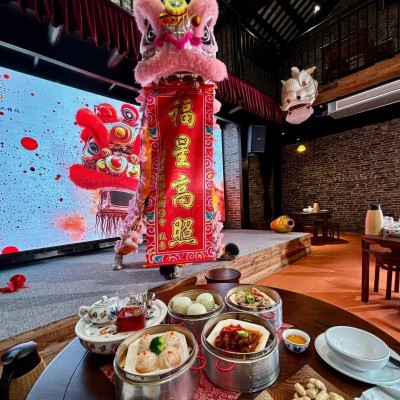
- Lion dance performances (Foshan is the birthplace of Southern lion dance)
- Wong Fei-hung and Ip Man memorial halls
- Connection to martial arts heritage
Cultural Reconnection Experiences
Attending Ancestral Worship Ceremonies
Many ancestral halls hold regular worship ceremonies. If you can identify your clan's ancestral hall, you may be able to participate in these ceremonies.
What to Expect:
- Offerings of food, incense, and paper money
- Chanting or prayers in traditional dialect
- Gathering of clan members, including some from overseas
- Opportunity to meet distant relatives
Etiquette:
- Dress modestly and respectfully
- Follow the lead of local relatives or your guide
- Bring offerings if invited to participate
- Ask permission before taking photographs
Exploring Ancestral Villages
Visiting your family's ancestral village is often the emotional highlight of the journey. These villages may be small, rural, and far from major cities.
What You Might Find:
- Old family homes (some may still be occupied by relatives)
- Village ancestral hall with tablets of ancestors
- Elderly villagers who may remember your family
- Traditional village layout reflecting feng shui principles
- Local dialect that may sound familiar
Tips for Village Visits:
- Hire a local guide who speaks the dialect
- Bring photos to show elderly residents
- Be prepared for curiosity from villagers
- Respect local customs and privacy
- Consider making a donation to the village ancestral hall
Participating in Traditional Festivals
Timing your visit to coincide with traditional festivals can deepen your cultural connection.
Key Festivals:
- Qingming Festival (April): Tomb-sweeping day, when families visit ancestral graves
- Zhongyuan Festival (August): Ghost festival with ancestor worship
- Winter Solstice (December): Family reunion and ancestor worship
- Spring Festival (January/February): Lunar New Year celebrations
Practical Tips for First-Time Visitors
Transportation
Getting to Guangdong: Fly into Guangzhou Baiyun International Airport (CAN) or Shenzhen Bao'an International Airport (SZX). Both have excellent international connections.
Within Guangdong:
- High-speed rail connects all major cities
- Local buses reach smaller towns and villages
- Didi (Chinese Uber) is convenient for short trips
- For remote villages, consider hiring a local driver
Accommodation
In Cities: International hotels are available in Guangzhou, Shenzhen, and other major cities.
In Smaller Towns: Local guesthouses or homestays may be your only option. These can be basic but offer authentic experiences.
With Relatives: If you meet relatives, they may invite you to stay with them. This is a wonderful opportunity for cultural exchange, but be prepared for different living standards and customs.
Food and Dining
Cantonese Cuisine: Guangdong is the birthplace of Cantonese cuisine. Expect:
- Dim sum (yum cha, 饮茶)
- Roast meats (烧味, shāowèi)
- Seafood (especially in coastal areas)
- Local specialties unique to each region
Dining with Relatives: If relatives invite you to meals, expect:
- Shared dishes (not individual portions)
- Toasting with alcohol (baijiu or beer)
- Multiple courses
- Host insisting on paying
Health and Safety
Health Precautions:
- Bring any necessary medications (prescription drugs may be hard to find)
- Drink bottled water
- Be cautious with street food if you have a sensitive stomach
- Consider travel insurance
Safety:
- Guangdong is generally very safe
- Keep copies of important documents
- Register with your embassy if staying long-term
- Be aware of pickpockets in crowded areas
Emotional Preparation and Expectations
The Reality of Root Tracing
Root tracing is not always a straightforward journey of discovery. Be prepared for various outcomes:
Best Case: You find living relatives, visit your ancestral village, and establish lasting connections.
Common Case: You visit the general area your family came from, learn about the culture, but don't find specific relatives.
Challenging Case: The village no longer exists, or relatives have moved away. You may feel a sense of loss or disconnection.
Processing Your Experience
Journaling: Keep a journal of your experiences, emotions, and discoveries. This will be valuable for future generations.
Photography: Document everything — places, people, food, architecture. These images will become precious family records.
Sharing: Share your experience with family members, both in your country of residence and in China. This helps build bridges across the diaspora.
Giving Back: Consider ways to support the communities you visit — donations to ancestral halls, support for local schools, or simply spreading awareness.
Building Lasting Connections
If you do find relatives, maintaining the connection requires effort:
Communication: Use WeChat to stay in touch. Send photos and updates about your life.
Return Visits: Plan to return periodically. Relationships need nurturing.
Cultural Exchange: Share your culture with relatives in China. Invite them to visit your country.
Family Records: Document what you've learned for future generations. Create a family history book or website.
Conclusion: Your Journey Matters
Returning to Guangdong as an overseas Chinese is more than a tourist trip — it's a journey of identity, connection, and understanding. Whether you find living relatives or simply connect with the culture and landscape your ancestors knew, the experience will be transformative.
The physical journey covers thousands of miles, but the emotional journey bridges generations. You're walking in the footsteps of those who left, carrying their stories and dreams. And in doing so, you're keeping their memory alive.
Your ancestral journey matters — not just for you, but for the generations that will follow. You're part of a story that spans centuries and continents. And Guangdong, with its warm welcome and rich heritage, is ready to embrace you home.
---
Recommended Guangdong Ancestral Tours
Guangdong Heritage Trail - 3 Days
Explore UNESCO Kaiping Diaolou, ancient villages, and Lingnan heritage sites. Perfect for overseas Chinese seeking ancestral connections.
View Tour DetailsCantonese Slow Life Tour - 5 Days
Immerse yourself in Lingnan culture, ancestral halls, traditional villages, and authentic Cantonese lifestyle.
View Tour DetailsPlan Your Ancestral Journey With Us
Private, flexible tours designed around your family history and interests.
Custom Tours — Sam@ChinaTravelPlus.com
Group Bookings — Luppy@ChinaTravelPlus.com
More Than Travel. It's the Plus That Matters.
* Prices, schedules, policies, seasons and festival details in this article are subject to change. Always confirm current rates, dates and availability with us at the time of booking — the information here reflects the situation as of publication. ChinaTravelPlus reserves the right of final interpretation.
About the Author — Sam · Senior Travel Planner
Sam designs custom itineraries for solo travelers, families and food lovers, delivering a complete plan within 48 hours.
Ready to Plan Your China Trip?
Email Sam for customized tour planning.
Email Luppy for group bookings (10+ travelers).
Visit ChinaTravelPlus.com for the full collection.
More Than Travel. It's the Plus That Matters.