Top 15 Chinese Dishes International Travelers Love Most
Meta Title: Top 15 Chinese Dishes International Travelers Love Most | ChinaTravelPlus
Meta Description: Discover the 15 best Chinese dishes international travelers love most in 2026. From Peking Duck to Yunnan Crossing-the-Bridge Noodles, our cross-regional Chinese dish ranking covers Cantonese, Sichuan, Hunan, Jiangsu-Zhejiang and Yunnan cuisines with authentic restaurant picks and allergy-friendly tips.
Published: July 2026
1. Peking Duck (Beijing)
The undisputed ambassador of Chinese cuisine. Peking Duck has graced imperial banquets for over 700 years and remains the single dish every foreign visitor to Beijing prioritizes. Lonely Planet ranks "eating Peking Duck in Beijing" the 19th-best food experience globally. TasteAtlas placed it 3rd among all Chinese dishes in its 2026 rankings.
The preparation is theatrical: whole ducks are inflated with air between skin and flesh, hung to dry, then roasted in wood-fired ovens until the skin turns amber and shatteringly crisp. A skilled chef carves it tableside into 120 thin slices, each containing both skin and meat. You wrap each slice in a paper-thin pancake with cucumber, scallion, and sweet bean sauce.
Where to eat authentic: Quanjude (the historic original since 1864) and Bianyifang (the rival using closed-oven roasting) in Beijing. Da Dong for a modern, leaner preparation.
Dietary notes: Contains gluten (pancakes, hoisin sauce) and soy. Not vegetarian. Request rice paper wraps as a gluten-free alternative at upscale restaurants.
2. Xiaolongbao - Soup Dumplings (Shanghai / Jiangsu)
Shanghai's gift to the world. These delicate steamed dumplings enclose a pocket of hot, savory broth alongside a seasoned pork filling. The trick is the aspic: gelatinized stock folded into each dumpling that melts into soup during steaming. The proper technique is lift gently, place on a spoon, bite a small hole, sip the broth, then eat the rest with black vinegar and ginger.
TasteAtlas ranks Xiaolongbao 5th among Chinese dishes and praises it as "the pinnacle of Chinese dim sum." YouTube videos of the "soup burst moment" have surpassed 100 million views. Nearly every expat names it the dish they crave most after leaving China.
Where to eat authentic: Jia Jia Tang Bao (local Shanghai favorite, perpetual lines), Din Tai Fung (reliable consistency, exactly 18 pleats per dumpling), and Nanxiang Steamed Bun Restaurant at Yu Garden (operating since 1900).
Dietary notes: Contains gluten (wheat wrapper), pork, and soy. Crab-roe versions available seasonally. Vegetarian versions exist at select restaurants with mushroom filling.
3. Sichuan Hot Pot (Chengdu / Chongqing)
Hot pot is not just a meal; it is a two-to-three-hour social ritual. Diners cook thinly sliced meats, vegetables, tofu, and noodles in a bubbling pot of broth at the center of the table. The Chongqing style uses beef tallow and enough chilies to turn the broth crimson, while the Sichuan version leans into the numbing tingle of Sichuan peppercorns.
TikTok hot pot videos have exceeded 200 million views. Foreign visitors consistently describe it as "a party in a pot." British Prime Minister David Cameron visited Sichuan in 2013 and ordered a split pot but only ate from the spicy side, leaving the mild broth untouched.
Where to eat authentic: Haidilao (premium chain with exceptional service), Xiaolongkan in Chengdu, and any neighborhood shop in Chongqing where locals outnumber tourists.
Dietary notes: Request a split "mandarin duck" pot (half spicy, half mild mushroom or tomato broth). Vegetarians can load up on tofu, mushrooms, lotus root, and leafy greens. Contains soy and potential shellfish cross-contamination. Ask staff about peanut oil in the base.
4. Kung Pao Chicken (Sichuan)
This globally recognized Sichuan classic balances spicy, sweet, savory, and nutty in a single wok-tossed dish. Diced chicken, roasted peanuts, dried chilies, and Sichuan peppercorns come together in a glossy sauce that is equally addictive over steamed rice.
According to search data from the 2014 APEC summit, Kung Pao Chicken outranked Korean kimchi and Japanese sushi in pre-trip searches by delegates. Former German Chancellor Angela Merkel watched its preparation during a 2014 visit to Chengdu and personally ate a quarter of the dish.
Where to eat authentic: Any traditional Sichuan restaurant in Chengdu. The "lychee-flavor" version (ganzhiwei), which emphasizes a subtle sweet-sour balance over raw heat, is the authentic preparation most foreigners prefer.
Dietary notes: Contains peanuts and soy. Can be made with tofu instead of chicken at most Sichuan restaurants. Ask for "su de gongbao ji ding" for a vegetarian version.
5. Mapo Tofu (Sichuan)
The fiery ambassador of Sichuan home cooking. Silky cubes of tofu swim in a sauce of fermented chili bean paste, Sichuan peppercorns, and minced pork. The authentic version delivers the signature "mala" sensation: numbing then spicy, building an addictive heat that makes you reach for more rice even as you sweat.
CNN called Mapo Tofu "a dish that turns simple ingredients into layered complexity." It is the second-most-ordered dish at Chinese restaurants worldwide, after Peking Duck. Food blogger @tiffycooks' Mapo Tofu recreation video earned over 80,000 likes.
Where to eat authentic: Chen Mapo Tofu in Chengdu, the original restaurant serving it since 1862. The difference between this and any overseas version is dramatic.
Dietary notes: Request "su de mapo doufu" for a vegetarian version without pork. Contains soy (both tofu and sauce). The numbing peppercorns are not a common allergen but can be intense for first-timers.
6. Sweet and Sour Pork (Jiangsu - Wuxi)
The gateway dish that converts first-timers into Chinese food enthusiasts. Crispy, golden-fried pork pieces are coated in a vibrant tangy-sweet sauce with bell peppers, pineapple, and onions. CNN called it "the Chinese dish that best understands Western palates." It consistently ranks first on overseas Chinese restaurant sales charts.
The Jiangsu version from Wuxi is the original, distinguished by its perfectly balanced sauce that is sweet without cloying and sour without aggression. Many foreign travelers report this was their first Chinese dish and the reason they fell in love with the cuisine.
Where to eat authentic: Traditional Jiangsu restaurants in Wuxi and Suzhou. In Shanghai, seek out heritage Shanghainese restaurants that serve the less-sweet Jiangsu-style preparation.
Dietary notes: Contains gluten (batter), pork, and soy. Not vegetarian. The sauce often includes pineapple, relevant for those with bromelain sensitivity.
7. Dim Sum (Guangdong / Hong Kong)
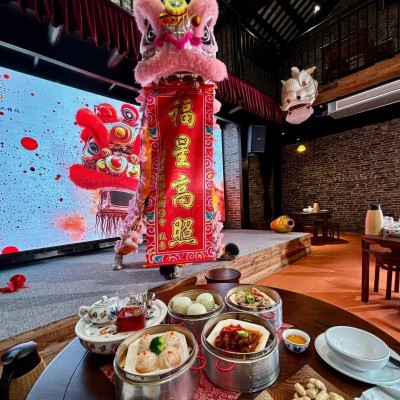
Dim sum is less a single dish and more a culinary institution. Originating in Guangzhou, this Cantonese brunch tradition features an ever-revolving parade of small plates: har gow (crystal shrimp dumplings), siu mai (open-topped pork and shrimp dumplings), char siu bao (barbecue pork buns), cheong fun (rice noodle rolls), and egg tarts for dessert.
Lonely Planet ranks "eating Chinese dim sum" the 10th-best food experience worldwide. In traditional restaurants, servers push trolleys laden with bamboo steamers past your table, and you point at whatever catches your eye. The experience is communal, leisurely, and endlessly varied.
Where to eat authentic: Lin Heung Tea House in Hong Kong for old-school atmosphere, Tim Ho Wan for Michelin-starred dim sum at modest prices, and any morning tea house in Guangzhou's Liwan district.
Dietary notes: Most items contain wheat, shrimp, pork, and soy. Vegetarian dim sum (mushroom dumplings, vegetable spring rolls, steamed taro cake) is increasingly available. Always ask about shellfish content.
8. Jiaozi - Dumplings (Northern China)
If rice is the soul of southern China, dumplings are the heartbeat of the north. Thin wheat wrappers enclose fillings of pork and cabbage, shrimp and chive, or lamb and coriander. They can be boiled, steamed, or pan-fried into potstickers. TasteAtlas awarded Jiaozi 4.6 out of 5, ranking it the top Chinese dish overall.
Their crescent shape resembles ancient gold ingots, making them a symbol of prosperity. Foreign visitors are often invited to fold dumplings with local families during Spring Festival, turning a meal into an unforgettable cultural exchange.
Where to eat authentic: Baoyuan Jiaozi Wu in Beijing for naturally colored wrappers, Mr. Shi's Dumplings for traditional flavors, and Xi'an's Dumpling Banquet for an extravagant multi-course experience.
Dietary notes: Contains gluten (wheat wrapper) and soy. Vegetarian fillings (mushroom, egg and chive, cabbage) are widely available. Always confirm filling ingredients.
9. Jianbing - Breakfast Crepe (Tianjin / Nationwide)
China's most beloved street breakfast. A thin batter of mung bean or wheat flour is spread on a circular griddle, topped with egg, hoisin sauce, chili paste, scallions, and a shatteringly crisp fried wonton sheet, then folded into a portable parcel. It costs roughly one dollar and is eaten standing up on the way to work.
TasteAtlas ranked Jianbing 4th among Chinese dishes with a 4.3 rating. A New York Jianbing stall sells 300 portions daily, with foreign office workers lining up and calling it "crispier and more addictive than a breakfast burrito." TikTok Jianbing videos have surpassed 100 million views.
Where to eat authentic: Street vendors in Tianjin (the birthplace) and Beijing hutongs during morning hours. The best Jianbing is always from the vendor with the longest local line before 9 AM.
Dietary notes: Contains gluten, egg, and soy. The crispy filling is usually wheat-based. Some vendors offer rice-flour batter as a gluten-free alternative. Naturally dairy-free.
10. Dan Dan Noodles (Sichuan)
Thin wheat noodles dressed in a seductive sauce of sesame paste, chili oil, Sichuan peppercorns, and minced pork. Every bite delivers a progression of flavors: nutty, then spicy, then numbing, then deeply savory. It is simultaneously one of Sichuan's most addictive street foods and its most refined noodle dish.
Foreign visitors often struggle with chopsticks at first, resorting to forks to twirl the noodles, but the effort is always rewarded. One Reddit user wrote: "More soul than Italian pasta, every bite reveals a new flavor."
Where to eat authentic: Street-side noodle shops throughout Chengdu. Look for places where the sauce is prepared to order rather than pre-mixed.
Dietary notes: Contains gluten (wheat noodles), peanuts or sesame, and soy. Vegetarian versions replace pork with mushrooms and are available at most noodle shops upon request.
11. Red-Braised Pork - Hongshao Rou (Hunan / Jiangsu)
Slow-braised pork belly in a lacquered sauce of soy sauce, rock sugar, Shaoxing wine, and aromatics. The meat melts on the tongue, while the fat renders into silky richness balanced by caramel sweetness. Chairman Mao's native Hunan version is particularly famous, and his personal chef's recipe has become a national culinary landmark.
This dish exemplifies the Chinese philosophy of transforming humble ingredients through time and technique. For international visitors accustomed to lean proteins, the generous fat content is initially surprising but ultimately revelatory.
Where to eat authentic: Mao Family Restaurant in Shaoshan (Hunan) for the Chairman's version, and Shanghai's Grandma's House (Wai Po Jia) for the sweeter Jiangsu-style preparation.
Dietary notes: Contains soy, wheat (soy sauce), and alcohol (Shaoxing wine). Not vegetarian. The sugar content is significant, relevant for diabetic travelers.
12. Roast Duck Rice (Guangdong)
The Cantonese working-class hero. Freshly roasted duck is chopped into pieces, drizzled with savory braising liquid, and served over steamed white rice. It is simple, fast, and profoundly satisfying. In Chinatowns worldwide, foreign workers are seen crouching on curbs with takeout boxes, calling it "a greater invention than the hamburger."
The Cantonese roasting tradition produces skin that is thin and crisp rather than thick and crackly like Peking Duck, and the meat is juicier as a result. The real magic is the sauce: a concentrated reduction of the duck's own drippings that soaks into the rice.
Where to eat authentic: Any Char Siu shop in Guangzhou with ducks hanging in the window. The best indicator of quality is turnover: if ducks are selling fast, the roasting is fresh.
Dietary notes: Contains soy and potential gluten in the basting sauce. Not vegetarian or halal. Dairy-free.
13. Roujiamo - Chinese Hamburger (Shaanxi - Xi'an)
Often called the world's original sandwich. Slow-braised pork is stuffed into a crisp, freshly baked flatbread with fresh cilantro and chili. The bread, either the soft Baiji style or the flaky Tongguan style, soaks up the rich meat juices without falling apart.
Xi'an's Muslim Quarter is the spiritual home of Roujiamo, where vendors have been perfecting it for centuries. At roughly two dollars per serving, it may be the best value bite in all of China.
Where to eat authentic: Xi'an Muslim Quarter street vendors, particularly those with visible braising pots and fresh-baked bread.
Dietary notes: Contains gluten (flatbread) and soy. Beef versions are available in Muslim Quarter (halal). Not vegetarian. The bread is baked in small batches, so ask about freshness.
14. Lanzhou Beef Noodles (Gansu / Nationwide)
Clear broth, hand-pulled noodles, tender beef slices, bright red chili oil, and fresh herbs create a bowl that is simultaneously comforting and exhilarating. The noodle-pulling performance alone is worth the visit: masters stretch and fold dough dozens of times, transforming a single ball into dozens of uniform strands before your eyes.
Foreign visitors consistently rank this as the most approachable Chinese noodle dish. The clean, aromatic broth has none of the aggressive heat of Sichuan cuisine, making it a safe entry point for spice-averse travelers.
Where to eat authentic: Any shop displaying the official Lanzhou Beef Noodle green sign (a bowl with floating noodles). These are found in virtually every Chinese city. In Lanzhou itself, try Mazi Lu or any shop near the Yellow River.
Dietary notes: Contains gluten (wheat noodles), beef, and soy. The broth is typically beef-based. Halal-certified (most authentic shops are Muslim-run). Not vegetarian.
15. Crossing-the-Bridge Noodles - Guoqiao Mixian (Yunnan)
Yunnan's signature dish is as much theater as cuisine. A bowl of boiling broth arrives at the table alongside plates of raw ingredients: paper-thin meat slices, quail eggs, tofu skin, chrysanthemum petals, bean sprouts, and rice noodles. You drop each ingredient into the broth in sequence, and the residual heat cooks everything instantly.
The dish originated in Mengzi, Yunnan, where legend says a scholar's wife crossed a bridge daily to bring him lunch, keeping the broth boiling to cook ingredients en route. British Prime Minister Keir Starmer chose a Yunnan restaurant for his first meal during a 2026 China visit, sampling 13 Yunnan specialties with chopsticks.
Where to eat authentic: Jixin Yuan in Mengzi (the origin city), and Brother's Jianghu or Qiao Xiang in Kunming.
Dietary notes: Contains soy and possible shellfish in the broth. Rice noodles are naturally gluten-free. Vegetarian versions with mushroom broth and vegetable toppings are available. The broth is extremely hot when served; allow it to cool briefly before adding ingredients.
Recommended China Travel Tours
Pair your reading with a hand-picked itinerary from our real tour collection:
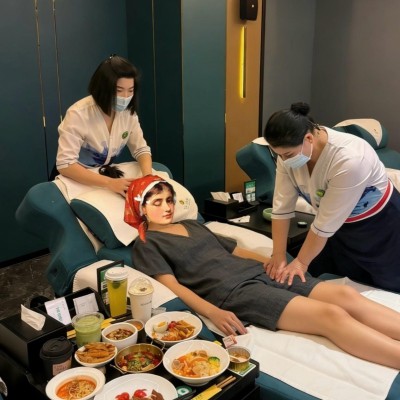
- Zhejiang Wellness Journey: Hangzhou Luxury Bathhouse & West Lake Zen 5-Day Healing Tour — Jiangnan Tang Quan tea-scented SPA, Yue-style Tui Na, West Lake Zen, Longjing tea. 5-day Zhejiang wellness.
- Guangdong Cantonese Food & Intangible Heritage Tour - 6-Day Culinary Journey — 6-day immersive food and culture tour through Guangzhou, Foshan, and Shunde. Explore Cantonese culinary heritage, learn
Why These 15 Dishes Matter for Your China Trip
Email Sam for customized tour planning.
Email Luppy for group bookings (10+ travelers).
Visit ChinaTravelPlus.com for the full collection.
More Than Travel. It's the Plus That Matters.