The Too-Good-To-Be-True China Tour: A Reader's Story and How to Spot the Trap
It Started With a Message From a Reader
A traveler about to visit China wrote to us last week. He'd booked a tour through an agency offering a striking deal: many cities, several provinces, and a price that seemed impossibly low. He'd already bought his international flights. Then came the message — the tour was cancelled because not enough people had joined.
He sent us the itinerary and asked what we thought. What we found is worth sharing, because cheap China tours work in ways that aren't obvious from the brochure. Here's what that price really covers, and how to avoid the same disappointment.
Truth 1: The Fee Only Covers Transport — and Not Much of It
The first thing to understand: a tour fee that low basically covers the group's transport — and barely that. On many ultra-budget tours, the fee doesn't even stretch to high-speed rail. You'll be on ordinary trains, the slow kind, because the operator's margin on your ticket is the only real income the trip generates.
That's also why these tours have strict, hard conditions to actually run: minimum group sizes, fixed departure dates, and long waitlists. If a handful of people don't join, the numbers collapse — and as our reader found out, the trip quietly disappears. The low price isn't a bargain; it's a structure that only works when everything fills perfectly, and it rarely does.
Truth 2: The Real Cost Hides in Shopping, Add-ons and Lost Time
No business runs at a loss. If the tour fee is tiny, the operator earns elsewhere — and that elsewhere is usually you, on the ground.
Typical ways ultra-cheap tours make their money back:
- Shopping stops: time scheduled at souvenir and "factory" outlets, sometimes several hours per day, where the guide earns commission on what you buy.
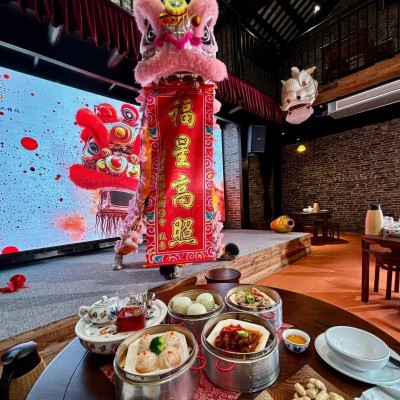
- Paid extras: "optional" experiences, upgraded meals and festival shows that are quietly expected — and priced far above their real value.
- Barebones basics: budget hotels far from the sights, group meals that leave you hungry, and buses instead of trains or flights, stretching travel time dramatically.
- Cancellation risk: because margins are thin, operators overbook and under-commit; when reality bites, the trip changes or vanishes.
Add it all up — the money spent on extras, the hours lost in shops and on slow trains — and the "cheap" tour is often neither cheap nor fast nor enjoyable. What's worse, you've come all that way to see China, and seen mostly the inside of a tour bus and a souvenir hall.
Truth 3: A Trip Should Bend Around You — Not the Other Way
The difference between a cheap group tour and a well-planned trip isn't price — it's whose interests come first.
On a budget group tour, you follow the schedule: where it stops, what you see, how long you stay. Your preferences, energy and curiosity are secondary. For many travelers that means going home feeling like they never actually experienced China — just passed through it.
That's exactly the opposite of what we do. A semi-self-guided plan starts with your dates, pace and interests. You decide how long to stay somewhere, whether to rest, what to eat, where to wander. We handle everything around it — the route, the trains, the hotels, the payments, and a person on call whenever you need help. You explore freely, and you don't come home wondering what you missed.
That's what we told our reader: even a cancelled cheap tour is a lucky escape, because the itinerary he'd bought would have spent his days in shops and his nights in budget hotels, ticking boxes without touching the real China. A trip planned around you, even for the same cities, is a completely different experience.
Frequently Asked Questions
How can I tell if a China tour price is too good to be true?
Compare what's included: transport class (high-speed rail or ordinary trains?), hotel grade, meals, and the number of shopping stops. If the fee can't plausibly cover transport, accommodation and a reasonable margin, the operator is earning elsewhere — on you.
What's a realistic budget for a China group tour?
Enough to cover hotels, meals, transport and a real margin. If the price looks like it barely covers a plane ticket, treat it as a red flag rather than a bargain. Transparent operators tell you what's included and what isn't.
My tour was cancelled — what are my rights?
It depends on your contract and payment method. Check the cancellation terms you agreed to, contact the agency in writing, and if you paid by card, a chargeback is often possible for services not delivered. Then plan your trip with an operator who doesn't depend on numbers filling up.
Does your service ever get cancelled for "not enough people"?
No — that's the point. Our service is planned one-to-one for you, not built on filling a group. It doesn't depend on other travelers joining, so your plan holds.
Is a semi-self-guided trip more expensive than a budget tour?
The visible fee can be higher, but the total is usually comparable — you spend on what you actually get, with no hidden shopping or forced extras. And the experience is completely different: you see what you came to see, at your pace.
Note: conversation screenshots from this reader's inquiry will be added here, shared with permission.
Recommended China Travel Tours
Pair your reading with a hand-picked itinerary from our real tour collection:
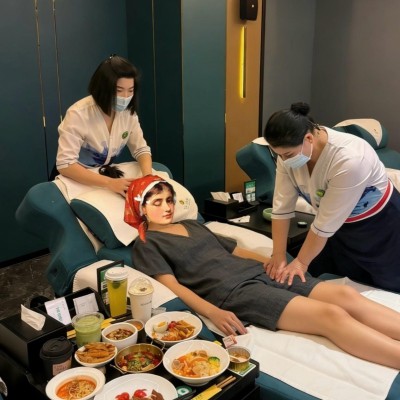
- Zhejiang Wellness Journey: Hangzhou Luxury Bathhouse & West Lake Zen 5-Day Healing Tour — Jiangnan Tang Quan tea-scented SPA, Yue-style Tui Na, West Lake Zen, Longjing tea. 5-day Zhejiang wellness.
- Yunnan Wellness Journey: Kunming Hot Spring & Lijiang Ancient Town 5-Day Healing Tour — 5-day Yunnan wellness: Kunming hot springs, Dali Bai herbal bath, Lijiang & Jade Dragon.
About the Author — Sam · Senior Travel Planner
Sam designs custom itineraries for solo travelers, families and food lovers, delivering a complete plan within 48 hours.
Ready to Plan Your China Trip?
Email Sam for customized tour planning.
Email Luppy for group bookings (10+ travelers).
Visit ChinaTravelPlus.com for the full collection.
More Than Travel. It's the Plus That Matters.