Summer in Yunnan: 20°C Days, Volcanic Hot Springs, and the New Slow Travel Movement
Summer in Yunnan: 20°C Days, Volcanic Hot Springs, and the New "Slow Travel" Movement
Here's a number that should make you rethink your summer travel plans: Kunming's average summer temperature is 20°C. While Bangkok hits 35°C, Shanghai swelters at 38°C, and even "cool" destinations like Kyoto push past 30°C — Kunming sits at a temperature that feels like someone left the air conditioning on for the entire city.
But temperature alone doesn't make Yunnan China's ultimate summer escape. What makes it irreplaceable is the combination of that climate with volcanic geothermal springs, 1,000-year-old ethnic medicine traditions, and a new wave of "slow travel" experiences that Yunnan's tourism authorities have been quietly building since 2025.
Summer 2026 is when all three dimensions converge at peak intensity.
🌋 The Geothermal Layer: Water Heated by the Planet
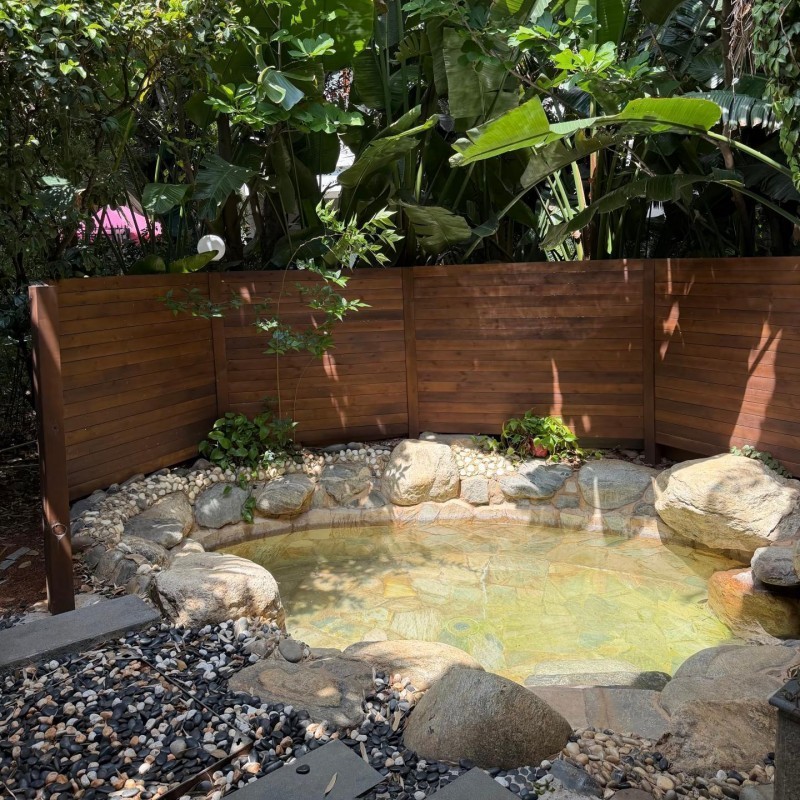
Kunming sits atop China's richest geothermal belt. The hot springs here aren't heated by boilers — they're heated by volcanic activity deep underground. Mineral waters rich in sulfur, calcium, and trace elements bubble up through rock that has been percolating these elements for millennia.
This isn't a subtle difference. Geothermal spring water has a fundamentally different mineral profile compared to artificially heated water. The sulfur content supports skin recovery and joint relief. The calcium concentration aids bone density. The trace elements — iron, manganese, zinc — are absorbed transdermally in concentrations you can't replicate in a lab.
Yunnan's provincial tourism authority has recently designated hot spring wellness as a strategic growth category, and the results are visible: Anning's "汤泉沃野·耕耘归心" (Hot Spring Fields · Return to Heart) — a new rural wellness route combining Anning's famous hot springs with agricultural immersion — launched in May 2026 as part of Yunnan's expanded乡村旅游精品线路 (premium rural tourism routes).
🌿 The Medicine Layer: Ethnic Healing That Predates "Wellness" by Centuries
Yunnan isn't just China's biodiversity capital — it's its ethnomedicine capital. Three distinct ethnic healing traditions operate here, each with documented histories exceeding 1,000 years:
Bai Three Flowers Formula (白族三花方) — Practiced by the Bai people of Dali for over a millennium. The formula combines notoginseng (三七) for blood circulation, angelica (当归) for blood restoration, and safflower (红花) for altitude recovery. All three herbs are wild-harvested from Cangshan Mountain at 2,000m+ elevation. This isn't a modern SPA invention — it's ethnic pharmacology that Chinese medical journals have documented since the Tang Dynasty.
Naxi Dongba Medicine (纳西东巴医药) — The Naxi people of Lijiang maintain a healing tradition encoded in their Dongba script — the only living pictographic writing system in the world. Snow lotus oil massage, herbal compresses using high-altitude medicinal plants, and ritual healing ceremonies are still practiced by Naxi elders in Lijiang's old town. The snow lotus (雪莲) itself grows only above 3,500m and has been used in Tibetan and Naxi medicine for respiratory and inflammatory conditions.
Dai Herbal Steam Therapy (傣族药蒸) — In Xishuangbanna, the Dai people practice herbal steam bathing using tropical medicinal plants that grow nowhere else in China. The steam rooms are built from bamboo, heated by wood fire, and filled with fresh herbs — not dried, not powdered, not imported. The experience is raw, immediate, and geographically unreplicable.
🛶 The Slow Travel Layer: Yunnan's 2026 New Routes
In May 2026, Yunnan launched four new乡村旅游精品线路 (premium rural tourism routes) that represent a fundamental shift in how the province approaches tourism — from "visit and leave" to "stay and absorb":
- 滇池西岸·乡居漫游 (Dianchi West Bank · Village Roaming) — Slow walking routes along Kunming's lake shore, staying in village homestays, participating in daily agricultural work
- 汤泉沃野·耕耘归心 (Hot Spring Fields · Return to Heart) — Anning hot springs combined with farming immersion — plant, harvest, cook, then soak
- 明湖听风·温泉疗养 (Bright Lake Listen Wind · Hot Spring Healing) — Yangzonghai Lake hot springs with structured wellness programming
- 九乡秘境·乡野漫游 (Jiuxiang Secret Realm · Countryside Roaming) — Karst cave exploration combined with rural village living
The philosophy behind these routes is articulated by Yunnan's provincial tourism director: "单纯的门票经济已难满足当下游客对高品质、个性化体验的追求,云南旅游的全链条正在被重新定义" — "Pure ticket economics can no longer satisfy today's travelers' demand for high-quality, personalized experiences. Yunnan's entire tourism chain is being redefined."
For international travelers, this means something practical: Yunnan in summer 2026 offers structured slow experiences — not just "go somewhere pretty" but "stay somewhere meaningful, with a rhythm designed for recovery."
🌸 The Seasonal Layer: What Summer Specifically Offers
Every season in Yunnan has its specific gifts. Summer delivers three that can't be experienced at any other time:
Jacaranda Season (蓝花楹季) — Kunming's jacaranda trees bloom from late April through June, turning entire streets purple. The sightseeing buses that run along Renmin Road and Cuihu Lake during this period are a local tradition — not a tourist invention. Photographing jacaranda by boat on Cuihu Lake is a Kunming summer ritual.
Wild Herb Harvesting Season — Summer is when Yunnan's medicinal herbs reach peak potency. The notoginseng harvest in Wenshan, the snow lotus collection season on Jade Dragon Snow Mountain, the wild mushroom explosion across Dali's mountains — these are timed by nature, not by marketing calendars. Visiting during harvest means you can participate in the actual collection process, not just buy packaged products.
Film Location Tourism (影视取景地) — Yunnan's tourism authority has been systematically converting popular filming locations into structured visitor experiences. Kunming's Wild Duck Lake (野鸭湖), Yuxi's Lvzhi Town (绿汁镇), Mengzi's Bisezhai (碧色寨), and Qiubei's Puzhehei (普者黑) — all recent filming locations for popular Chinese TV series — now offer targeted experience products that let you recreate "名场面" (iconic scenes) while maintaining full hospitality infrastructure.
Why Yunnan Beats Every Other Summer Destination in China
Let's be direct about the comparison:
- vs. Beijing/Shanghai — 20°C vs. 35-38°C. Yunnan wins on climate alone
- vs. Sanya/Hainan — Beach resort vs. geothermal wellness + ethnic medicine. Different category entirely
- vs. Tibet/Xinjiang — Similar altitude therapy, but Yunnan has established tourism infrastructure, ethnic diversity (25 minority groups), and visa-free accessibility that Tibet can't match
- vs. Japan onsen — Same geothermal principle, but Yunnan adds ethnic medicine layers (Bai/Naxi/Dai) that Japan doesn't offer, at 1/3 the cost
Yunnan's advantage isn't any single feature — it's the stack: climate + geothermal + ethnomedicine + slow travel infrastructure + seasonal specificity + visa-free entry. No other Chinese province combines all six.
How to Experience Yunnan This Summer
Two routes, each designed to layer these dimensions:
Both routes include jacaranda viewing (June), hot spring immersion, ethnic medicine experiences, and the new slow-trail routes. Private bilingual guides ensure you understand the cultural context behind each experience — not just what you're seeing, but why it matters.
For customized private tours: Sam@ChinaTravelPlus.com
For group bookings: Luppy@ChinaTravelPlus.com
More Than Travel. It's the Plus That Matters.