Lingnan Culture - What Makes Guangdong Unique for Overseas Chinese
What Is Lingnan Culture?
Lingnan is the traditional name for the region that covers Guangdong, Guangxi, and Hainan, and the culture that developed here is distinctly different from the culture of northern China. The difference goes beyond the obvious things like language and food. Lingnan culture has a different relationship with the outside world, a different approach to commerce and trade, and a different set of values that have been shaped by centuries of maritime contact with Southeast Asia and beyond. For overseas Chinese, Lingnan culture is not an abstract concept. It is the cultural DNA that their families carried with them when they left.
The most visible expression of Lingnan culture is in its architecture. The qilou, or arcaded buildings, that line the streets of Guangzhou, Jiangmen, and Zhongshan are a direct result of the region's overseas connections. These buildings combine Chinese construction techniques with Western decorative elements, creating a streetscape that is unlike anything in northern China. The same fusion is visible in the ancestral halls, the temples, and the gardens of the region. Lingnan gardens, in particular, are known for their integration of water features, rockeries, and exotic plants that were brought back by returning merchants.
The Cantonese Language
For many overseas Chinese, the most direct connection to Lingnan culture is through the Cantonese language. Cantonese is not just a dialect of Chinese. It is a complete language with its own grammar, vocabulary, and literary tradition, and it has preserved many features of classical Chinese that Mandarin has lost. When you hear Cantonese spoken in Guangdong, you are hearing a language that has been spoken in this region for over two thousand years, and that has been carried around the world by the diaspora.
But Cantonese is only one of several languages spoken in Guangdong. The region is also home to Teochew, which is spoken in the eastern part of the province and has strong connections to the overseas Chinese communities of Southeast Asia, particularly Thailand, Singapore, and Malaysia. Hakka, another major language group, is spoken in the northeastern and northern parts of Guangdong, and the Hakka diaspora is particularly strong in Indonesia, Malaysia, and the Caribbean. Each of these language groups has its own cultural traditions, its own cuisine, and its own way of understanding the world.
Cantonese Cuisine as Cultural Heritage
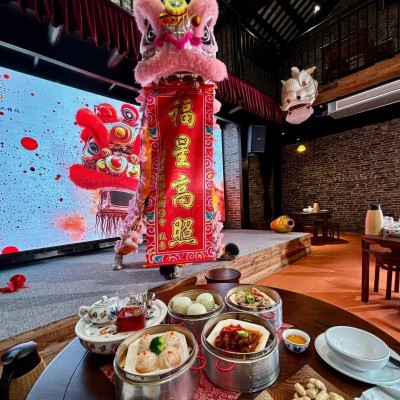
Cantonese cuisine is perhaps the most widely recognized aspect of Lingnan culture, and it is also the one that overseas Chinese have adapted most extensively in their adopted countries. The version of Cantonese food that you find in overseas Chinatowns is a real, living tradition, but it has evolved in different directions from the food that is served in Guangdong today. Eating in Guangzhou is a different experience from eating in a Hong Kong-style restaurant abroad, and the difference reveals something about how the diaspora has both preserved and transformed its culinary heritage.
The key to understanding Cantonese cuisine is the concept of freshness. Cantonese cooking emphasizes the natural flavors of ingredients, and it uses minimal seasoning to achieve this. The best Cantonese dishes are simple: steamed fish with ginger and spring onions, stir-fried vegetables with garlic, clear soups that have been simmered for hours. The complexity is in the ingredients, not the preparation. When you eat in Guangdong, the vegetables taste stronger, the seafood is more varied, and the herbs and spices are used in ways that are unfamiliar to overseas palates.
Festivals and Traditions
Lingnan culture has preserved many traditional festivals that have been simplified or lost in other parts of China. The Dragon Boat Festival, which falls in June, is celebrated with particular intensity in Guangdong, where the Pearl River Delta's network of waterways provides ideal conditions for dragon boat racing. The Mid-Autumn Festival in September is marked by elaborate lantern displays and mooncake tastings that are unique to the region. And the Spring Festival, or Chinese New Year, is celebrated with a distinctive set of Lingnan customs, including the flower markets that fill Guangzhou's streets in the weeks leading up to the new year.
For overseas Chinese visiting during these festivals, the experience can be unexpectedly powerful. The sights, sounds, and smells of a Lingnan festival are the same ones that their grandparents experienced, and the continuity across generations is palpable. It is one thing to read about these traditions in books or hear about them from family members. It is another thing entirely to stand in a village square in Guangdong, surrounded by the same rituals that have been performed here for centuries, and feel the connection to your own history.
Experience Lingnan Culture
The Cantonese Slow Life Tour - 5 Days is designed specifically for overseas Chinese who want to experience Lingnan culture firsthand. It includes visits to ancestral halls, traditional gardens, and local food markets, with plenty of time to explore at your own pace. For a shorter option, the Guangdong Heritage Trail - 3 Days focuses on the architectural heritage of the region.
Plan Your Ancestral Journey With Us
Private, flexible tours designed around your family history and interests.
Custom Tours — Sam@ChinaTravelPlus.com
Group Bookings — Luppy@ChinaTravelPlus.com
More Than Travel. It's the Plus That Matters.
* Prices, schedules, policies, seasons and festival details in this article are subject to change. Always confirm current rates, dates and availability with us at the time of booking — the information here reflects the situation as of publication. ChinaTravelPlus reserves the right of final interpretation.
About the Author — Sam · Senior Travel Planner
Sam designs custom itineraries for solo travelers, families and food lovers, delivering a complete plan within 48 hours.
Ready to Plan Your China Trip?
Email Sam for customized tour planning.
Email Luppy for group bookings (10+ travelers).
Visit ChinaTravelPlus.com for the full collection.
More Than Travel. It's the Plus That Matters.