Hunan, Guangdong, Jiangsu-Zhejiang or Yunnan: Which Region Is Right for You? (2026)
The Hardest Decision in China Travel: Which Region?
China is enormous — one-sixth of Asia, 30+ provinces, and more variety in one province than in many whole countries. First-time travelers usually solve this with Beijing + Xi'an + Shanghai. But if you're planning a second trip, or a longer first trip, the real question becomes regional: which part of China do you want?
Four regions stand out for international travelers — Hunan, Guangdong, Jiangsu-Zhejiang, and Yunnan. Each one is a completely different trip: different food, different scenery, different pace, different reasons to go. Here's how to choose.
Hunan: Mountains, Spice and Living Culture
Hunan, in central China, is the region of dramatic mountains and fearless food.
What you'll see:
- Zhangjiajie — the towering sandstone pillars that inspired the movie Avatar, now easily reached by high-speed rail from Changsha.
- Fenghuang (Phoenix Town) — an ancient riverside town of stilt houses along the Tuo River, lantern-lit at night.
- Changsha — one of China's most dynamic nightlife cities, famous for its evening food streets that stay busy past midnight.
- The Tujia and Miao ethnic villages — living minority cultures with their own festivals, clothing and music.
The food: Hunan is unapologetically spicy — chili-forward stir-fries, smoked meats, and the city of Changsha's famous street snacks. Not for timid palates, and absolutely for food adventurers.
Best for: nature lovers, hikers, food explorers who want heat, and travelers who want real minority culture without the long journey west.
Guangdong: The Food Capital and Modern South
Guangdong, the southern coastal province, is China's kitchen and its most outward-looking region.
What you'll see:
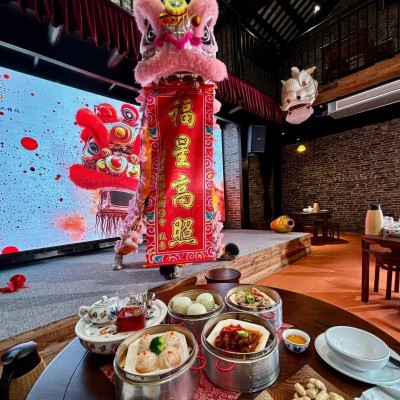
- Guangzhou — the birthplace of Cantonese cuisine, with a food scene that ranges from tiny dumpling shops to the famous morning tea (yum cha) tradition.
- Shunde — a small city UNESCO named the world's "capital of gastronomy," where locals debate the perfect fish dish with religious seriousness.
- Shenzhen — a hyper-modern metropolis of innovation, parks and shopping, next to Hong Kong, China.
- Kaiping Diaolou — UNESCO-listed fortified towers built by overseas Chinese a century ago.
The food: Cantonese cuisine is the most famous Chinese food in the world for a reason — dim sum, roast goose, fresh seafood, and a level of craft in simple dishes that is hard to find anywhere else.
Best for: food lovers above all, first-time Asia travelers who want comfort plus excitement, and families (Cantonese food is the most "accessible" Chinese cuisine).
Jiangsu-Zhejiang: The Classical Jiangnan
Jiangsu and Zhejiang, on the eastern coast, are the heart of classical Chinese culture — the water towns, gardens and silk of the Yangtze delta.
What you'll see:
- Hangzhou — West Lake, tea fields, and the city Marco Polo called the finest in the world.
- Suzhou — classical gardens and canals, the peak of Ming-dynasty landscaping.
- The water towns — Wuzhen, Zhouzhuang and Xitang, with canals, stone bridges and lantern-lit evenings.
- Shanghai is just an hour away if you want the modern counterpoint.
The food: gentler than Hunan or Guangdong — sweet-and-sour, river fish, and the famous tea culture of Hangzhou's Longjing (Dragon Well).
Best for: travelers who love history, art, gardens and slow, elegant travel; couples; and anyone who wants the "picture-postcard China" of water towns and temples.
Yunnan: Plateau Diversity and Minority Cultures
Yunnan, in the southwest, is China's most diverse province — 25+ ethnic minorities, plateau lakes, and year-round mild weather.
What you'll see:
- Dali — the ancient city and Erhai Lake, with the Cangshan Mountains behind.
- Lijiang — a UNESCO old town of cobbled streets, canals and Naxi culture.
- Shangri-La — Tibetan plateau landscapes, monasteries and snow peaks.
- Kunming — the "spring city," mild all year, gateway to the whole region.
- Xishuangbanna — tropical rainforest and Dai culture near the Laos border.
The food: Yunnan is its own world — wild mushrooms, rice noodles (the famous crossing-the-bridge noodles), Dai-style grilled food, and Tibetan yak dishes.
Best for: photographers, slow travelers, culture enthusiasts, and anyone who wants altitude, diversity and the least "tourist-China" feel of the four.
The Scoreboard
| Hunan | Guangdong | Jiangsu-Zhejiang | Yunnan | |
|---|---|---|---|---|
| Signature scenery | Sandstone pillars, river towns | Modern cities, coast | Water towns, gardens | Plateau lakes, snow peaks |
| Food style | Fiery and spicy | Cantonese, world-famous | Gentle, sweet-and-sour | Wild mushrooms, rice noodles |
| Best season | Apr–May, Sep–Oct | Oct–Mar (mild) | Mar–Apr, Sep–Oct | Mar–May, Sep–Nov |
| Suggested length | 5–7 days | 4–6 days | 5–7 days | 7–10 days |
| Best for | Adventurers, hikers | Food lovers, families | History, couples | Photographers, slow travel |
| Pace | Energetic | Lively | Elegant | Laid-back |
How to Combine Them
- Hunan + Guangdong (7–9 days): Changsha → Zhangjiajie → Guangzhou → Shunde — mountains and spice, then dim sum and seafood. One of the best food trips in China.
- Jiangsu-Zhejiang (5–7 days): Shanghai → Suzhou → Wuzhen → Hangzhou — the full classical Jiangnan experience, all connected by fast trains under 2 hours.
- Yunnan alone (8–10 days): Kunming → Dali → Lijiang → Shangri-La — a slow, high-altitude journey that gets better each day.
- Guangdong + Yunnan (10 days): Guangzhou food city break, then fly to Kunming for the plateau — two completely different worlds in one trip.
Traveling as a Family or Group?
Each region has its own logistics: Zhangjiajie needs planning around cable-car queues, Yunnan's altitude needs an acclimatization day, and group dining in all four works best when restaurants are pre-confirmed. We arrange regional itineraries for families and groups regularly — your route, your pace, trains and hotels booked, and one person on call the whole way. Tell us your rough dates and which region calls to you; we send a full plan within 48 hours, and you approve everything before anything is paid.
Frequently Asked Questions
Which region is best for a first-time China trip?
For a first trip, Guangdong is the smoothest entry — Cantonese food is the most familiar Chinese cuisine, Guangzhou and Shenzhen are easy to navigate, and Hong Kong, China is next door if you want a break from new-ness.
Which region has the best food?
Guangdong, by reputation and UNESCO's own designation — Shunde is the world's only "capital of gastronomy" city. If you want spice, Hunan; if you want gentle elegance, Jiangsu-Zhejiang; if you want pure novelty, Yunnan.
Is Zhangjiajie worth the trip?
Yes — the Avatar mountains are unlike anything else in China, and the new high-speed rail from Changsha makes it easy (under 3 hours). It's the single most impressive natural scenery in central China.
Can I do more than one region in one trip?
Absolutely. Hunan + Guangdong works well (7–9 days), and Guangdong + Yunnan pairs a city break with the plateau (10 days). High-speed rail and domestic flights make inter-region travel easy.
Which region is best for a relaxed trip?
Yunnan — Dali and Lijiang are built around slow mornings and lake views, and the mild climate means you can sit outside all day. Jiangsu-Zhejiang's water towns are the close second.
Recommended China Travel Tours
Pair your reading with a hand-picked itinerary from our real tour collection:
- Yunnan After Dark: Night Markets & Ancient Towns | 6-Day Private Tour — Kunming night market crawl to Asia's largest night market. 6 days, 4 cities, one guide — Yunnan after dark like a local.
- Colorful South: Dali and Lijiang Ancient Town| 5 Days 4 Nights Snow Mountain and Ethnic Minority — A classic Yunnan route designed for first-time visitors to China. Stroll through Lijiang Ancient City's Square Street, g
About the Author — Luppy · Group Travel & Business Missions
Luppy coordinates group bookings (10+ travelers), corporate trips and school tours — hotels, transport and logistics included.
Ready to Plan Your China Trip?
Email Sam for customized tour planning.
Email Luppy for group bookings (10+ travelers).
Visit ChinaTravelPlus.com for the full collection.
More Than Travel. It's the Plus That Matters.