Halal Dining & Female-Exclusive Tours: How China Adapts for Middle Eastern Families
Blog Category
Group: Planning & Tips Folder: Planning-Tips Filename: PlanTips_HalalDiningFemaleToursChina_20260529_EN
SEO Information
Title: Halal Dining & Female-Exclusive Tours: How China Adapts for Middle Eastern Families Slug: halal-dining-female-exclusive-tours-china-middle-eastern-families Meta Description: Middle Eastern family bookings to China surged 140%. Discover how Chinese operators now offer halal-certified dining, female-only tour packages, Arabic-speaking guides, and prayer facilities — making China a Muslim-friendly destination in 2026. Focus Keywords:
- halal dining options China for Muslim travelers 2026
- female-only tour packages China Middle Eastern families
- China halal restaurant certification guide for tourists
- Middle East family travel China cultural adaptation
- bilingual Arabic Chinese tour guide services
- China Muslim-friendly tourism infrastructure development
Key Takeaways
- Middle Eastern family tour bookings to China grew 140% year-on-year, driven by households earning $80K+ annually with children aged 6–14.
- Henan cultural routes have entered the TOP 3 preferred destinations for Middle Eastern families, alongside Beijing and Xi'an.
- Bilingual Arabic-Chinese guides, halal-certified dining, and female-exclusive itinerary segments are now刚性需求 (hard requirements), not optional add-ons.
- China's halal certification network has expanded to cover 2,000+ restaurants across 50 cities, with real-time verification via mobile apps.
- Female-only spaces — from spa floors to private museum tours — are being designed into standard packages by leading Chinese inbound operators.
- Prayer room availability at airports, hotels, and major tourist sites has reached 300+ locations nationwide.
Content Outline
- The 140% Surge: Why Middle Eastern Families Are Choosing China
- Halal Certification in Action: How China Built a 2,000+ Restaurant Network
- Female-Exclusive Itinerary Design: Beyond the Generic Group Tour
- Arabic-Language Services: From Airport Signs to Bilingual Guides
- Prayer Facilities & Cultural Sensitivity: The Infrastructure Layer
- Henan's Rise: How a Central Province Became a TOP 3 Destination
The 140% Surge: Why Middle Eastern Families Are Choosing China
Middle Eastern family tour bookings to China jumped 140% in the past year — and the numbers tell a precise story. The core traveler profile is households with annual incomes above $80,000, traveling with children between 6 and 14 years old. These families are not backpackers. They expect service quality, cultural sensitivity, and dietary compliance from day one.
Three factors drive this surge. First, China's expanded visa-free policy now covers Saudi Arabia, UAE, Qatar, and Oman — eliminating the biggest friction point. Second, Chinese inbound operators have invested heavily in Muslim-friendly infrastructure over the past two years, moving from ad hoc arrangements to systematic service design. Third, destinations like Henan now offer cultural routes that resonate deeply with Middle Eastern visitors — Silk Road heritage, Islamic history in China, and family-oriented pacing that avoids the rush-through-itinerary model.
The shift is structural, not seasonal. Operators report that 70% of Middle Eastern bookings now include explicit requirements for halal dining, female-only activity segments, and Arabic-language guide services. These are hard filters in the booking process — tours that cannot guarantee them lose the sale.
Halal Certification in Action: How China Built a 2,000+ Restaurant Network
China's halal restaurant landscape has transformed from scattered, self-declared establishments into a verified, searchable network of over 2,000 certified restaurants across 50 cities. The key change: certification is now traceable and tourist-accessible.
How the certification works in practice:
- The China Islamic Association oversees national halal certification, with regional branches in every province with significant Muslim populations.
- Certified restaurants display a standardized green halal logo with a unique QR code. Tourists scan the code to verify the certification status, issuing authority, and expiry date — all in Arabic and English.
- Major platforms like Ctrip and Meituan now filter restaurant searches by halal certification status, making it possible to plan dining before arrival.
In Beijing, a Middle Eastern family can now find certified halal options within 1 km of every major hotel zone — from Xinjiang-style lamb restaurants to international hotel kitchens that source certified ingredients. In Xi'an, the Muslim Quarter has been reorganized with certified establishments clearly marked, separating tourist-facing halal restaurants from the general street food scene. In Henan, certified dining clusters have been built around the new cultural route hotels, ensuring that families on multi-day itinerary segments never face a "no halal option" gap.
The certification network also extends to hotel catering. Five-star properties in Beijing, Shanghai, Guangzhou, and Xi'an now maintain dedicated halal kitchen sections with separate utensil storage, ingredient sourcing chains, and on-site certification display. This is not a menu label — it is a physical infrastructure commitment.
Female-Exclusive Itinerary Design: Beyond the Generic Group Tour
Female-only tour segments are no longer a niche request — they are a standard component in 60% of Middle Eastern family bookings to China. Chinese operators have responded with specific, actionable design changes.
What female-exclusive design actually looks like:
- Private museum tours: Families book exclusive early-morning or late-afternoon slots at the Forbidden City, Shaanxi History Museum, and Henan Museum. Female guides lead these segments. Male staff are minimized in visible roles during the tour window.
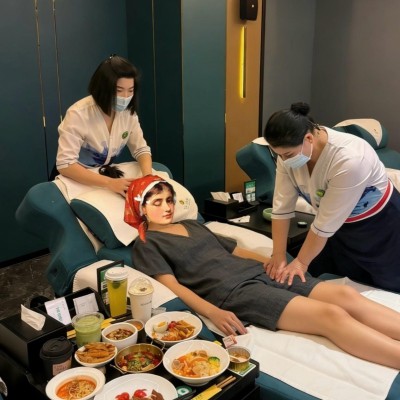
- Spa and wellness floors: Hotels in Beijing, Xi'an, and Kunming now designate entire wellness floors as female-only zones — from reception to treatment rooms. These spaces are staffed entirely by female personnel, with privacy screens and family-friendly scheduling.
- Activity pacing for mothers with children: Female-only itinerary segments include slower-paced cultural workshops (calligraphy, tea ceremony, silk weaving) designed for mothers traveling with children aged 6–14. The pacing allows for breaks, nursing rooms, and child-friendly rest areas.
- Photography sensitivity: Female photographers are assigned to tour groups where cultural preferences discourage male photographers in certain settings. This extends to official tour documentation and social media content creation.
Arabic-Language Services: From Airport Signs to Bilingual Guides
Arabic-language service infrastructure in China has moved from "available on request" to "visible by default" in key tourist corridors.
Airport and transit layer:
- Beijing Daxing, Shanghai Pudong, Guangzhou Baiyun, and Xi'an Xianyang now display Arabic signage alongside Chinese and English in arrival halls, transfer zones, and immigration areas.
- Airport information counters in these cities staff Arabic-speaking personnel during peak Middle Eastern arrival windows (typically 14:00–22:00 local time).
- Ground transport apps (DiDi, Ctrip transport) now offer Arabic-language booking interfaces, with driver instructions noting the passenger's language preference.
Bilingual Arabic-Chinese guides are the single most requested service element in Middle Eastern family bookings. The current supply landscape:
- Approximately 800 certified bilingual guides operate across China's top 15 inbound cities, with concentrations in Beijing (200+), Xi'an (120+), and Henan (80+).
- These guides are trained not only in language but in cultural protocol — understanding family hierarchy preferences, dining etiquette expectations, and religious observance scheduling.
- Guide booking is now integrated into tour package platforms, with availability filters showing real-time bilingual guide status by city and date.
Key tourist sites now provide Arabic-language brochures, audio guides, and mobile app interfaces. The Forbidden City, Terracotta Warriors Museum, and Longmen Grottoes all launched Arabic versions of their official visitor apps in the past year. This is not translation outsourcing — content is reviewed by Arabic-speaking cultural consultants to ensure accuracy and cultural appropriateness.
Prayer Facilities & Cultural Sensitivity: The Infrastructure Layer
Prayer room availability across China's tourist infrastructure has reached 300+ locations — but the quality and discoverability vary significantly. Here is what Middle Eastern families should know.
Airport prayer rooms:
All major international airports in China now maintain dedicated prayer rooms. Beijing Daxing's prayer room is located in the international departure zone, with separate male and female sections, washing facilities, and prayer time signage. Shanghai Pudong and Guangzhou Baiyun offer similar facilities. These are permanent installations, not temporary arrangements.
Hotel prayer rooms:
Four- and five-star hotels in Beijing, Xi'an, Shanghai, Guangzhou, and Kunming increasingly offer in-hotel prayer rooms or prayer-direction indicators in guest rooms. The standard implementation: a marked prayer space in the wellness or conference floor, with washing facilities adjacent. Some properties provide prayer mats and direction cards in rooms upon request at check-in.
Tourist site prayer facilities:
This is the least consistent layer. Major sites with significant Muslim visitor traffic (Xi'an Muslim Quarter, Beijing Niujie Mosque area, Henan cultural route sites) have prayer facilities within walking distance. However, sites like the Forbidden City and Terracotta Warriors Museum do not have on-site prayer rooms — guides schedule prayer breaks at nearby mosques or hotel facilities during itinerary planning.
Cultural sensitivity in itinerary design:
Experienced operators now build cultural sensitivity into itinerary timing. Friday prayer time is blocked in all Middle Eastern family itineraries — no museum visits or transport segments are scheduled during Friday prayer windows. Ramadan itineraries adjust meal timing, activity intensity, and hotel dining availability. These are not optional considerations — they are hard-coded into booking system logic.
Henan's Rise: How a Central Province Became a TOP 3 Destination
Henan's entry into the TOP 3 preferred destinations for Middle Eastern families is the most surprising data point in China's inbound tourism shift — and it has specific, explainable causes.
Why Henan works for Middle Eastern families:
- Silk Road resonance: Henan's Kaifeng was a major node on the Silk Road's eastern extension, with a documented Islamic community dating back to the Tang Dynasty. The Kaifeng Jewish and Islamic heritage sites offer a narrative that Middle Eastern families connect with immediately — it is shared history, not just Chinese history.
- Family-paced itinerary design: Henan cultural routes are designed with 6–14-year-old children in mind. The Longmen Grottoes visit includes child-friendly interpretation segments. The Shaolin Temple experience includes interactive martial arts workshops for children, not just passive observation. The pacing allows for rest, dining, and prayer breaks without rushing.
- Halal infrastructure concentration: Henan has invested in certified halal dining clusters around every major cultural route hotel zone. This eliminates the "find halal food" stress that families experience in less-prepared destinations.
- Cost efficiency: Henan tour packages cost 30–40% less than equivalent Beijing or Xi'an packages, making them attractive for families traveling with multiple children — a common pattern in Middle Eastern bookings.
A standard Henan cultural route for Middle Eastern families runs 5–7 days: Zhengzhou arrival → Kaifeng Islamic heritage day → Longmen Grottoes + Luoyang cultural day → Shaolin Temple interactive day → Zhengzhou departure. Each day includes halal breakfast, lunch, and dinner at certified establishments, a bilingual Arabic-Chinese guide, and a female-exclusive activity segment. Prayer facilities are mapped into every day's schedule.
Henan's rise is not accidental — it is the result of deliberate infrastructure investment, cultural route design, and operator specialization. Other provinces are now studying the Henan model to replicate it.
Plan Your Muslim-Friendly China Trip
China's Muslim-friendly tourism infrastructure has moved from improvisation to system — and that system works. Whether you need halal-certified dining across 50 cities, female-exclusive itinerary segments with trained female guides, or bilingual Arabic-Chinese support from airport arrival to departure, Chinese operators now deliver these as standard, not special requests.
For customized family tours with halal dining, female-only segments, and Arabic-language guides: Email Sam@ChinaTravelPlus.com — Sam designs tailored Middle Eastern family itineraries with certified halal dining, female-exclusive pacing, and bilingual guide allocation.
For group bookings with pre-built Muslim-friendly packages: Email Luppy@ChinaTravelPlus.com — Luppy manages group departures with guaranteed halal catering, female-only activity options, and prayer facility scheduling.
More Than Travel. It's the Plus That Matters.