China's Tea Tourism Revolution: From Pu'er Mountains to Yangzhou Canals — Why Tea Is the2026's Most Unexpected Travel Category
China's Tea Tourism Revolution: From Pu'er Mountains to Yangzhou Canals — Why Tea Is 2026's Most Unexpected Travel Category
Key Takeaways
- Eastern Leaves launches a structured 2026 Summer Tea Tour in Yunnan, combining mountain hikes, tea processing workshops, cultural ceremonies, and gourmet dining in a single itinerary
- Pu'er Tea Exhibition Garden upgrades to national 4A scenic area, adding certified tourism infrastructure to Yunnan's tea heritage
- Yangzhou (Jiangsu) blends tea culture with Tang Dynasty poetry trails — Derek Poskin traced Li Bai's poems through the city's canals and developed a growing appreciation for Chinese tea
- Tea tourism is shifting from casual tea house visits to structured, multi-day itineraries with certified quality standards
- ITB China 2026 announced Zhejiang Province as Official Partner Province for China Inbound Travel — providing international promotion infrastructure for Jiangnan tea tourism
Content Outline
1. What Is Tea Tourism — and Why It Matters in 2026
2. The Yunnan Trail: Mountains, Processing, and Ancient Trees
3. The Jiangnan Trail: Canals, Poetry, and Refinement
4. Certified Quality: 4A Scenic Areas and Structured Tour Products
5. Plan Your Tea Journey
What Is Tea Tourism — and Why It Matters in 2026
Tea tourism is not a new concept. Travelers have visited tea houses, participated in tea ceremonies, and and purchased tea souvenirs for decades. But until recently, tea tourism was an add-on — a pleasant afternoon activity inserted between museum visits and shopping trips.
In 2026, tea tourism is becoming a standalone travel category. Three developments are driving this shift:
- Structured tour products: Eastern Leaves' 2026 Summer Tea Tour is a multi-day itinerary that combines hiking through tea mountains, participating in tea processing workshops, attending cultural ceremonies, and enjoying gourmet meals. This is not a tea house visit — it is a tea journey.
- Certified tourism infrastructure: Pu'er Tea Exhibition Garden upgrading to a national 4A scenic area means that Yunnan's tea heritage now has official tourism certification — quality standards, visitor services, safety protocols, and marketing infrastructure that casual tea houses cannot match.
- International promotion channels: ITB China 2026 announcing Zhejiang Province as Official Partner Province for China Inbound Travel means that Jiangnan's tea tourism (Yangzhou, Hangzhou, Suzhou) will receive international promotion through E-commerce platforms, travel agencies, and tourism boards.
Why does this matter? Because tea tourism sits at the intersection of three powerful trends in inbound travel: cultural immersion (travelers want to understand what they are experiencing, not just see it), sustainable tourism (tea is agricultural, heritage-based, and locally rooted), and health and wellness (tea is inherently linked to well-being, mindfulness, and slow living). These three trends are the fastest-growing segments of global tourism in 2026.
The Yunnan Trail: Mountains, Processing, and Ancient Trees
Eastern Leaves 2026 Summer Tea Tour
Eastern Leaves, a Yunnan-based tea education and travel company, has launched a structured 2026 Summer Tea Tour that covers the southern reaches of Yunnan's tea mountains. The tour is designed as a study journey — "In every journey we organise, we try to share the knowledge gathered through years of living and working here, among landscapes and terroirs that continue to tell their stories through the leaves."
The itinerary includes:
- Mountain hikes through tea-growing landscapes at different elevations and terroirs
- Tea processing workshops where travelers learn how tea is made from leaf to cup
- Cultural ceremonies with local ethnic communities who have cultivated tea for generations
- Gourmet dining featuring tea-paired local cuisine
- Wild tea tree visits — some trees are centuries old, growing in forests that have never been commercially cultivated
This is tea tourism at its most comprehensive: not just tasting, but understanding the entire journey from soil to cup.
Pu'er Tea Exhibition Garden: National 4A Certification
The Pu'er Tea Exhibition Garden has been upgraded to a national 4A tourist attraction — a certification that requires meeting quality standards for infrastructure, visitor services, safety, and environmental management. This upgrade means:
- Certified visitor infrastructure: Proper parking, restrooms, signage, and visitor centers
- Professional tea experience: Guided tours, tea processing demonstrations, tea tasting sessions with certified quality
- Cultural preservation: The upgrade requires maintaining the authenticity of the tea heritage while adding modern visitor amenities
- Marketing infrastructure: 4A certification allows the site to be promoted through official tourism channels, travel agencies, and e-commerce platforms
Trip.com already offers ticket booking for the Pu'er Tea Exhibition Garden, making it accessible to international travelers through established booking platforms.
The Jiangnan Trail: Canals, Poetry, and Refinement
Yangzhou: Where Tea Culture Meets Tang Dynasty Poetry
Yangzhou, a canal city in Jiangsu province, is emerging as a tea tourism destination with a unique twist: it blends tea culture with literary heritage.
ECNS (China News Service) published a feature story about Derek Poskin, an American who first arrived in Yangzhou in 2016 to trace a poem by Tang Dynasty poet Li Bai. Poskin developed a growing appreciation for Chinese tea culture through his exploration of Yangzhou's canals, tea houses, and literary landmarks. His journey illustrates how tea tourism in Jiangnan is not just about tea — it is about the cultural context that gives tea its meaning.
What Yangzhou offers for tea travelers:
- Canal-side tea houses where you can sip tea while boats drift past
- Literary tea trails connecting Li Bai's poetry to the landscapes he described
- Refined tea ceremonies reflecting Jiangnan's aesthetic traditions — more delicate and literary than Yunnan's robust mountain style
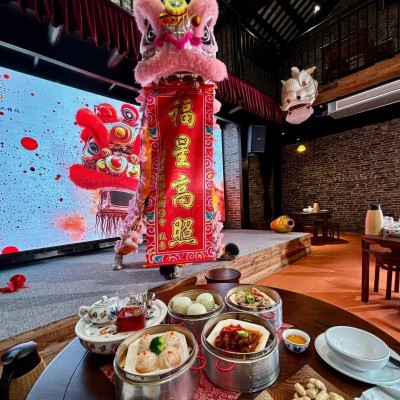
- Tea-paired Jiangnan cuisine — Yangzhou's famous morning tea (早茶) culture, where breakfast is a multi-course tea experience
The contrast with Yunnan is instructive: Yunnan tea tourism is about mountains, ethnic cultures, and ancient trees. Jiangnan tea tourism is about canals, poetry, and refined aesthetics. Both are authentic — but they appeal to different traveler preferences.
Certified Quality: 4A Scenic Areas and Structured Tour Products
The upgrade of Pu'er Tea Exhibition Garden to 4A status and the launch of Eastern Leaves' structured tea tour represent a broader shift: tea tourism is acquiring the same quality infrastructure and certification that mainstream tourism categories have.
This shift matters for international travelers because:
- Quality assurance: 4A certification means the site meets national standards for visitor experience, safety, and service quality
- Booking accessibility: Certified sites are listed on major booking platforms (Trip.com, GetYourGuide) making them discoverable and bookable for international travelers
- Professional interpretation: Structured tours with educated guides provide deeper understanding rather than casual tea house visits
- Consistent experience: Certification ensures that the tea tourism experience meets expectations regardless of which certified site a traveler visits
Plan Your Tea Journey
Tea tourism in 2026 offers two distinct trails — each with its own character, pace, and aesthetic:
The Yunnan Trail (5-7 days)
- Hike through tea mountains at multiple elevations
- Visit ancient wild tea trees in uncultivated forests
- Participate in tea processing workshops (from leaf to cup)
- Experience ethnic minority tea ceremonies
- Enjoy tea-paired local cuisine
- Stay in mountain villages or tea garden lodges
- Best for: Adventure-oriented travelers, cultural immersion seekers, tea enthusiasts who want to understand the full process
The Jiangnan Trail (3-5 days)
- Walk canal-side tea houses in Yangzhou
- Trace Tang Dynasty poetry through tea landscapes
- Experience refined tea ceremonies reflecting Jiangnan aesthetics
- Enjoy Yangzhou morning tea culture (早茶)
- Visit Hangzhou tea villages and Longjing tea fields
- Explore Suzhou's tea-silk cultural intersection
- Best for: Culture-oriented travelers, literary-minded visitors, those who prefer refined aesthetics over rugged adventure
Email Sam for a Customized Tea Tourism Itinerary
Email Luppy for Group Booking Inquiries
Published: 2026-05-23 | Updated: 2026-05-23 | Author: ChinaTravelPlus Team | Website: www.chinatravelplus.com
More Than Travel. It's the Plus That Matters.