Chengdu Food Guide: What to Eat Beyond Hot Pot (2026)
The City That Eats All Day
Chengdu's reputation rests on hot pot, but the city's real food culture spreads across every other hour: breakfast stalls that open before the teahouses, noodle counters that run to mid-afternoon, and night markets that keep going after the hot pot restaurants close. This guide is the beyond-hot-pot route — the dishes, the streets and the habits that turn a short visit into a proper eating trip.
Breakfast: Noodles, Buns and Street Steam
Breakfast is the local's meal and the visitor's easiest entry. Noodle shops ladle chili-oil dressed varieties by the bowl before nine; steamed buns and dumplings come from steam-cabinet storefronts on nearly every block; and the sweet fermented-rice soups balance the morning heat. The rule is structural, not specific: eat where the queue is local and the menu is short — the smaller the menu, the longer the shop has been getting it right.
The Classic Dishes at Their Source
Chengdu is the source city for dishes the world knows by translation: mapo tofu with its numbing peppercorn finish, twice-cooked pork, dan dan noodles, and the cold-dressed dishes that punctuate a Sichuan table. The reliable move is the old-school restaurant over the new famous one — the classics are cooked everywhere, and the decades-old places cook them without ceremony or markup. Order one famous dish per meal rather than chasing a list; the cuisine rewards repetition over coverage.
Teahouses and the Snack Culture
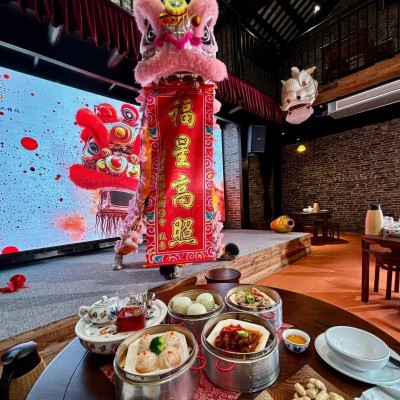
The teahouse is Chengdu's second kitchen: the snack trays, dumpling baskets and sweet dishes that arrive with the tea are a meal by themselves, and the afternoon cost of a table is the price of the culture. Parks with teahouses are the right setting — bamboo chairs, refills that never stop, and the local rhythm of an afternoon that is not in a hurry. This pairs naturally with the city's broader first-visit plan, which covers the pandas and the pacing around the food.
How to Order, and How to Survive the Spice
Two habits carry the trip. First, the spice dial is real: many dishes can be made mild, broths come in split pots, and asking for less heat is normal, not rude. Second, cool the burn with the local tools — rice, soy milk and the sweet courses — not with iced drinks, which only spread it. Eat the numbing peppercorn version at least once; the tingle is the point, and it fades faster than you expect.
Frequently Asked Questions
Is all Chengdu food spicy?
No — Sichuan cuisine runs a full range, and plenty of dishes carry little or no chili. The city also normalizes the mild request: split-pot hot pots and reduced-heat versions of classics are standard, not exceptions.
What is the one dish I should not leave without trying?
Mapo tofu at its source — the numbing, silky version the city invented. It is the clearest single bite of what Sichuan cooking does, and it tastes different here than anywhere it has been exported.
Do I need a food tour in Chengdu?
Not strictly — the streets are the tour. A guide earns their place by translating menus and finding the old shops, but a short list of dishes and a willingness to queue locally covers a first visit honestly.
Recommended China Travel Tours
Pair your planning with a hand-picked itinerary from our real tour collection:
- Hunan · Land of Fish & Rice and Sleepless City Flavor Odyssey — 5-Day Tour — The spice-region sequel: Changsha's chili-heavy food culture is the natural next stop after Sichuan.
- Yunnan After Dark: Night Markets & Ancient Towns — 6-Day Private Tour — Food after sunset, in a milder register — night markets and ancient towns where the eating starts late and runs long.
About the Author — Sam · Senior Travel Planner
Sam designs custom itineraries for solo travelers, families and food lovers, delivering a complete plan within 48 hours.
Ready to Plan Your Chengdu Food Trip?
Email Sam for custom itineraries built around your dates.
Email Luppy for group and family bookings (10+ travelers).
Visit ChinaTravelPlus.com for the full collection.
More Than Travel. It's the Plus That Matters.