A Love Letter to Chaoshan: How a 10.8 Billion Box Office Film Put Guangdong on Every Traveler's Map
A Love Letter to Chaoshan: How a 10.8 Billion Box Office Film Put Guangdong on Every Traveler's Map
In April 2026, a small-budget film shot entirely in Chaoshan dialect opened with 1.5% screen allocation. Nobody expected it to survive. Four weeks later, 《给阿嬷的情书》(A Love Letter to Grandma) had crossed 10.8 billion yuan in box office, scored 9.2 on Douban (China's IMDb), and triggered something no tourism board could have engineered: a spontaneous wave of travelers heading to Chaoshan to find the real world behind the film.
This isn't just a movie story. It's a case study in how cultural IP creates tourism demand — and why Guangdong's summer 2026 is the perfect time to experience it.
🎬 The Film That Broke Every Rule
《给阿嬷的情书》 does everything a commercial film shouldn't: it uses 95% Chaoshan dialect (not Mandarin), it has no celebrity cast, it cost just over 10 million yuan to produce, and its core subject — 侨批 (Qiaopi), the letters and remittance receipts sent by overseas Chinese back to their hometowns — sounds like a history lesson, not entertainment.
But the film tapped into something deeper than market logic. 侨批 isn't just old mail — it's the physical evidence of a century-long emotional circuit between Chaoshan people who went to Southeast Asia (下南洋) and the families who waited for them at home. Every letter carried money, every receipt carried longing. The film's title isn't romantic — it's literal. These were love letters written in transaction records.
The result: 31 million viewers, non-Chaoshan audience exceeding 40%, theaters reporting entire audiences weeping together, and a cultural ripple effect that turned filming locations into pilgrimage sites overnight.
"I went to see the film because my friend insisted. I left the theater and booked a ticket to Shantou that night." — Reddit user r/travel, May 2026
📍 The Real Chaoshan Behind the Screen
The film was shot entirely on location across Chaoshan's three cities. Here's what those places actually offer — beyond the movie frames:
Shantou Small Park (汕头小公园) — The film's primary shooting location. This isn't a tourist reconstruction; it's a living historic district with 1930s arcade architecture, the largest collection of Republican-era buildings in Southern China. The streets where the film's protagonist walks to check for侨批 at the post office are the same streets where Chaoshan families actually received those letters for a hundred years. Today, the area blends heritage preservation with working-class daily life — you'll see elderly residents playing chess under the same archways that appear in the film.
Chaozhou Taifo Temple (潮州泰佛殿) — A Thai-style Buddhist temple that appears in the film's Southeast Asia flashback sequences. Chaozhou's connection to Thailand isn't fictional — it's historical. The Chaoshan diaspora in Thailand is so large that Bangkok has entire neighborhoods where Chaoshan dialect is the primary language. The temple stands as physical proof of that cultural circuit, and visiting it after seeing the film adds a dimension most tourists never discover.
Jieyang Mianhu Liberation Road (揭阳棉湖解放路) — A lesser-known filming location that captures the film's quieter moments. Mianhu is an old commercial street where traditional Chaoshan craftsmanship — wood carving, ceramics, embroidery — still operates in family workshops. This is where the film's "waiting" scenes were shot: women sitting in doorways, listening for the postman. The real street still has that rhythm.
🍵 What the Film Can't Show You: Chaoshan's Living Culture
A 118-minute film can only show fragments. Here's what exists beyond the screen — the experiences that make Chaoshan worth a 5-day journey:
Gongfu Tea Ceremony (工夫茶) — Not the abbreviated version you see in tourist demonstrations. Real Chaoshan Gongfu tea is a 30-minute ritual involving specific water temperature, three sequential pours, and a social protocol that dictates who receives which cup. The film shows characters drinking tea; the reality involves learning an entire etiquette system that predates Japanese tea ceremony by centuries.
Yao Shan (药膳) — Medicinal Cuisine — Guangdong's 2,000-year-old food-as-medicine tradition reaches its most refined expression in Chaoshan. Every soup has a therapeutic purpose: winter melon soup for heat clearance in summer, ginger duck for circulation in winter, herbal chicken for post-illness recovery. The film shows meals; the reality is a culinary pharmacology that your body actually feels.
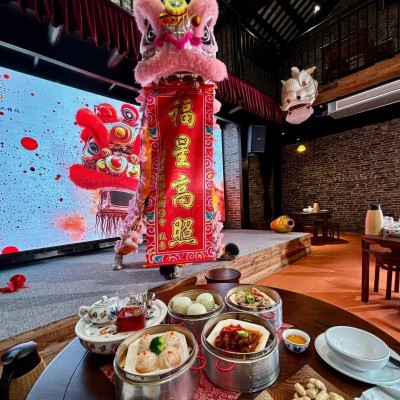
English Dance (英歌舞) — A martial dance tradition performed during festivals, with performers wielding short sticks in synchronized combat formations. It's visually spectacular, physically demanding, and deeply tied to Chaoshan's clan-based social structure. The film references it; experiencing it live — with drummers, fire, and 50+ dancers moving in formation — is something no screen can transmit.
Nan'ao Island (南澳岛) — A coastal island off Shantou that the film's characters reference but never visit. Nan'ao offers what most Chaoshan tourists miss: pristine beaches, a Ming-era coastal defense fort, fresh seafood caught that morning, and a pace of life that makes "slow travel" feel redundant — it's already the default speed here.
🔥 Why Summer 2026 Is the Moment
Three converging factors make this summer uniquely timed:
- The film's cultural momentum — extended through June 30 (密钥延期), IMAX version now running, social media conversation still accelerating
- Guangdong's official inbound push — 10 curated inbound travel routes now live on Trip.com, with Chaoshan featured in both the first and second batches (潮汕六日游 + 潮客深度六日游)
- Summer = peak Chaoshan food season — cold Gongfu tea, herbal summer soups, seasonal seafood (Nan'ao's fishing season peaks June-August), and night markets that run until 3 AM
Guangzhou inbound tourist numbers are already up 31% year-on-year, with spending up 44% (source: Ctrip data, February 2026). The film is accelerating interest in the Chaoshan subset of that growth — and summer is when the region's food and coastal experiences hit their peak.
How to Experience Chaoshan Beyond the Film
We've designed two routes that take you past the movie frames and into the living culture:
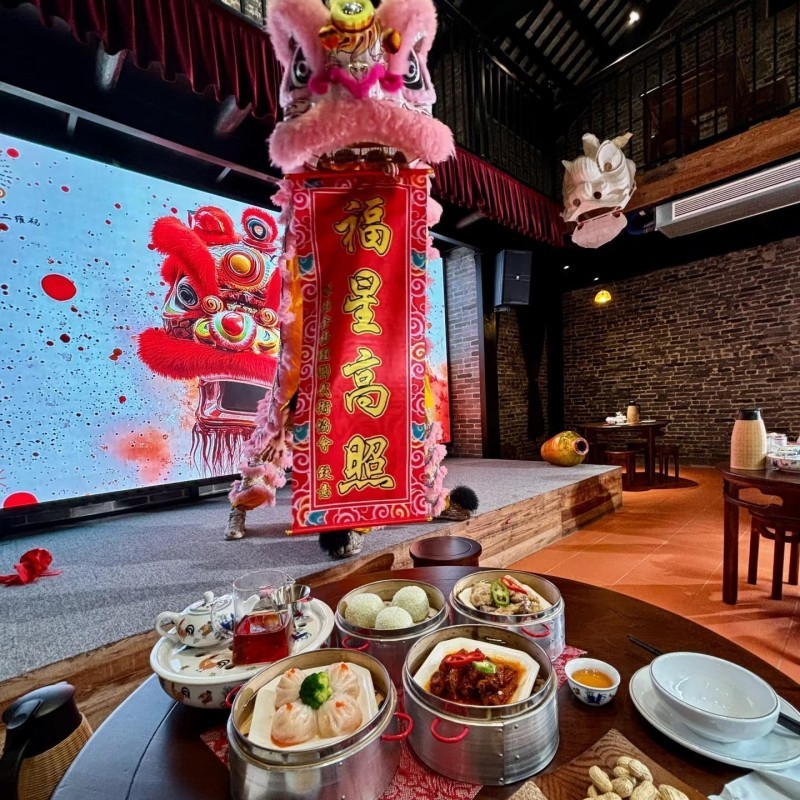
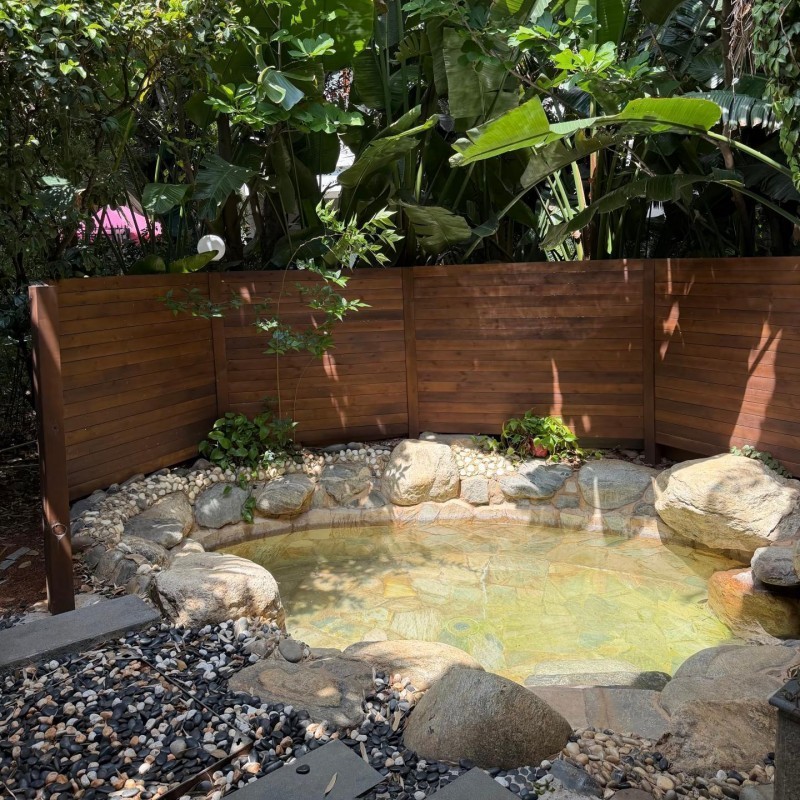
Both routes include Chaoshan cultural elements — Gongfu tea ceremony, yao shan medicinal soup, and local market exploration — woven into broader Guangdong wellness and discovery experiences. Private bilingual guides ensure you understand the cultural context that the film only hints at.
For customized private tours (including Chaoshan extension): Sam@ChinaTravelPlus.com
For group bookings: Luppy@ChinaTravelPlus.com
More Than Travel. It's the Plus That Matters.