Why China's 24-Hour Bathhouses Are the World's Newest Travel Trend in 2026
Key Takeaways
For International Travelers:
- China's 24-hour bathhouses offer all-inclusive relaxation experiences under $30 USD
- More than 77.9% of foreign visitors entered China visa-free in Q1 2026
- Bathhouse culture combines traditional Chinese wellness with modern entertainment
- Most facilities are open 24/7 with no reservation required
- Location tips: Major cities like Shanghai, Beijing, and Chongqing have the best options
- Payment: Most accept international cards and mobile payment apps
- English signage varies; downloading a translation app is recommended
Content Outline
- The Bathhouse Phenomenon Taking Over Social Media
- What Exactly Happens Inside a Chinese Bathhouse
- Why International Travelers Are Obsessed
- Beyond the Spa: Food, Entertainment, and Staying Overnight
- Practical Guide: How to Experience It Yourself
- The Bigger Picture: China's "Living Like a Local" Travel Movement
- Plan Your China Bathhouse Adventure
The Bathhouse Phenomenon Taking Over Social Media
If you've spent any time on TikTok or YouTube lately, you've probably seen them: foreigners lounging in ornate Chinese bathhouses, getting scrubbed by attendants, eating hotpot in pajamas, and marveling at facilities that seem to combine a spa, amusement park, and all-you-can-eat restaurant into one glorious experience.
The hashtag #ChinaSpa has racked up hundreds of millions of views. Videos showing the "VIP treatment" — full-body scrubs, acupressure massages, and unlimited access to hot pools, cold plunge pools, and steam rooms — consistently go viral across Western social media platforms.
But this isn't just internet hype. It's driving real travel decisions. More and more international visitors are adding Chinese bathhouses to their China itineraries, transforming what was once a quintessentially local experience into a must-try activity for global travelers.
What Exactly Happens Inside a Chinese Bathhouse
For those unfamiliar with the concept, a Chinese bathhouse (洗浴中心, xǐyù zhōngxīn) is a far cry from the simple facilities many Westerners might imagine. These sprawling complexes offer a comprehensive wellness experience that can easily consume an entire day — or night.
The Entry Ritual
Upon arrival, you'll typically receive a wristband or card that serves as your key for the entire facility. Shoes are exchanged for slippers, and you proceed to the locker room where you'll find private changing areas and showers.
The core experience involves various water facilities:
- Hot pools (泡池, pàochí) of different temperatures, often infused with aromatherapy or herbal benefits
- Cold plunge pools for refreshing contrast therapy
- Steam rooms (桑拿房, sāngnáfáng) and saunas
- Showers with strong water pressure for thorough rinsing
Many facilities also offer traditional Chinese treatments:
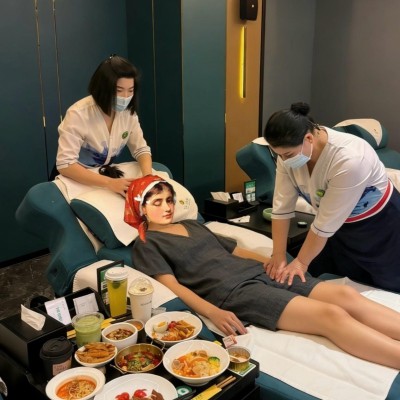
- Full-body scrub (搓背, cuōbèi): An attendant uses a rough cloth to exfoliate your entire body — an invigorating experience that leaves skin impossibly smooth
- Acupressure massage (按摩, ànmó): Targeted pressure point therapy
- Cupping therapy (拔罐, báguàn): Glass cups create suction on the skin to improve circulation
Why International Travelers Are Obsessed
The viral success of Chinese bathhouses on social media reflects something deeper: a genuine desire among international travelers to experience authentic local life rather than just visiting tourist attractions.
Cultural Authenticity
Unlike many tourist-oriented experiences, bathhouses are genuinely used by Chinese locals. Walking into one offers a window into everyday Chinese wellness culture — a tradition that dates back thousands of years. The practices you'll encounter aren't staged for visitors; they're part of daily life for millions of Chinese families.
Value Proposition
For budget-conscious travelers, the appeal is obvious. A full day at a quality bathhouse often costs less than $30 USD and includes:
- Unlimited access to all water facilities
- Relaxation areas and lounges
- Often complimentary basic services like showers and changing areas
- Access to rest zones where you can nap in private cubicles or heated beds
Premium services like full-body scrubs and massages typically add $10-30 more — still remarkably affordable compared to equivalent spa experiences elsewhere.
The "Living Like a Local" Appeal
According to Dai Bin, president of the China Tourism Academy, international travelers are shifting from "touring China" to "experiencing China." The bathhouse phenomenon exemplifies this trend. It's not about seeing a famous landmark; it's about doing what locals do, understanding a different approach to relaxation and self-care, and discovering aspects of Chinese culture that don't appear in travel brochures.
Beyond the Spa: Food, Entertainment, and Staying Overnight
What truly distinguishes Chinese bathhouses from Western spas is their all-encompassing nature. These complexes are essentially one-stop entertainment destinations.
Dining Options
Most major bathhouses feature multiple restaurants and food courts:
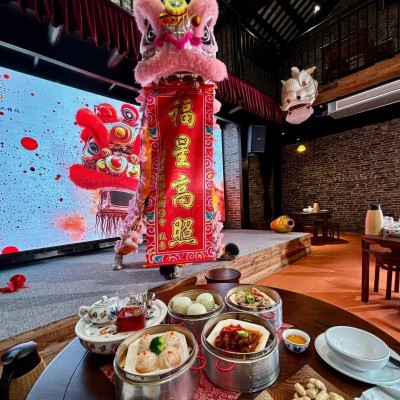
- Hotpot stations where you cook your own ingredients in bubbling broth
- BBQ grills for DIY Korean-style barbecue
- Unlimited fruit and snacks (particularly popular at all-you-can-eat buffets)
- Traditional Chinese desserts like red bean soup and sesame balls
- Fresh juices and traditional herbal teas
Many visitors plan their entire evening around bathhouse dining, treating it as an alternative to restaurant dining.
Entertainment Zones
After your spa session, the experience continues:
- Game rooms with arcade machines, billiards, and mahjong tables
- Karaoke rooms (KTV) for private singing sessions
- Movie theaters in some facilities
- Reading rooms and quiet lounges for those seeking peace
- Massage chairs and foot reflexology stations
Staying Overnight
Perhaps most remarkably, many bathhouses allow guests to stay overnight for a flat fee. Travelers seeking budget accommodation can sleep in heated sleeping pods or private rooms, waking up to access all facilities again. This makes bathhouses a practical option for transit travelers or those seeking an unusual (and surprisingly comfortable) travel experience.
Practical Guide: How to Experience It Yourself
Ready to try a Chinese bathhouse? Here's what you need to know:
Finding the Right Facility
- Major chains like Tang Palace (唐宫), Jiphe (极尚), and Yijia (亿家人) operate throughout major cities
- Luxury options in cities like Shanghai and Beijing can cost $50-100 but offer premium facilities and services
- Local favorites in second-tier cities often provide authentic experiences at lower prices
- Recommendation: Search "洗浴中心" (bathhouse) on maps or ask hotel staff for recommendations
What to Bring
- Most facilities provide towels, slippers, and basic toiletries
- Bring your own swimwear if you prefer not to use communal nudity areas (mixed-gender areas typically require swimwear)
- A change of clothes for after your spa session
- Your phone for photos (allowed in most areas)
Payment and Language
- Most accept international credit cards
- Mobile payment apps like Alipay and WeChat Pay are widely used — consider linking an international card
- English signage varies; staff may have limited English proficiency
- Translation apps are your friend
Etiquette Tips
- Shower thoroughly before entering pools
- Respect quiet zones and maintain appropriate noise levels
- Tipping is not customary and may even be refused
- Full-body scrubs can be quite vigorous — don't hesitate to ask for gentler pressure if needed
The Bigger Picture: China's "Living Like a Local" Travel Movement
The bathhouse phenomenon is part of a broader transformation in how international travelers experience China.
Beyond Tourist Traps
China's tourism landscape has evolved dramatically. The narrative of "foreigners being taken advantage of" is giving way to stories of authentic cultural exchange. Travelers increasingly seek out experiences that locals genuinely enjoy — and bathhouses, night markets, traditional tea houses, and neighborhood noodle shops are replacing traditional tourist attractions as must-see destinations.
Social Media's Role
Platforms like TikTok have accelerated this discovery process. A video of a Westerner experiencing a Chinese bathhouse for the first time reaches millions of viewers who might never have known such experiences existed. This organic, authentic content — often emotional, sometimes comedic — proves more compelling than any tourism board campaign.
Policy Support
China's government has actively supported this trend through visa liberalization (now covering nearly 80 countries), payment system improvements for international visitors, and enhanced services at tourist sites. The goal is clear: transform China from a "must-see" destination into a "must-experience" one.
Plan Your China Bathhouse Adventure
The viral success of Chinese bathhouses reflects something genuine — a unique wellness culture that offers international travelers an accessible, affordable, and deeply authentic experience. Whether you're a spa enthusiast seeking new adventures, a budget traveler looking for unique accommodation, or simply curious about Chinese daily life, a bathhouse visit delivers memories that no famous landmark can match.
Ready to experience it for yourself? Our expert travel specialists can help you design the perfect itinerary that includes this unforgettable cultural experience.
Contact Sam for Customized Tours
Contact Luppy for Group Bookings
Visit ChinaTravelPlus.com