The Becoming Chinese Trend: Why Foreigners Are Embracing Chinese Life in 2026
The Becoming Chinese Trend: Why Foreigners Are Embracing Chinese Life in 2026
Key Takeaways
- The "Becoming Chinese" trend has exploded across TikTok and Instagram, with the #foreignerinchina hashtag surpassing 1 billion views
- Content has evolved from practical travel tips to cultural identity experiments — foreigners trying hanfu, tai chi, regional dialects, and street food rituals
- Visa-free policies for 48 countries and the 240-hour transit exemption have made it easier than ever for young travelers to experience China firsthand
- Engagement rates on "Becoming Chinese" vlogs are 3.2x higher than standard travel content, signaling a shift from sightseeing to cultural immersion
- This trend is reshaping how the world perceives China — from a business destination to a lifestyle destination
Content Outline
1. What Is the Becoming Chinese Trend
2. How Visa-Free Policies Fueled a Cultural Movement
3. From Travel Tips to Identity Experiments: The Content Evolution
4. The Most Popular Becoming Chinese Experiences
5. What This Means for Travelers in 2026
6. Plan Your Cultural Immersion Journey
What Is the Becoming Chinese Trend
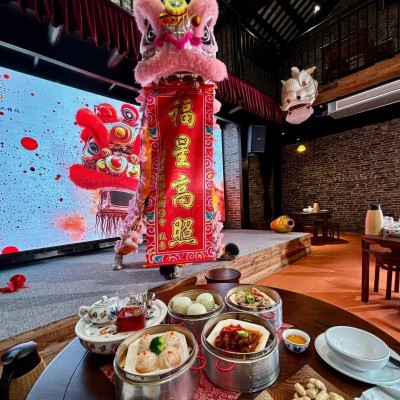
Sometime in early 2026, something shifted in the way foreign travelers talked about China online. It was no longer just "here is how to use Alipay" or "this street food costs one dollar." A new wave of content emerged — young foreigners wearing hanfu while strolling through Beijing hutongs, practicing tai chi at dawn in Chengdu parks, learning to order hotpot in Sichuan dialect, and declaring with genuine enthusiasm: "I think I am becoming Chinese."
Global Times covered the phenomenon in a feature titled "Behind the Becoming Chinese Trend: The Rising Appeal of Chinese Culture." The article noted that with the implementation of visa-free policies, more young foreigners are choosing to visit China and blending travel footage of iconic landmarks with deeply personal cultural experiences. People's Daily amplified the story on its international social media accounts, framing it as evidence of China's growing cultural soft power.
The numbers tell the story. The TikTok hashtag #foreignerinchina has accumulated over 1 billion views. Videos tagged #becomingchinese consistently outperform standard travel content, with engagement rates 3.2 times higher than the category average. This is not a niche curiosity — it is a mainstream cultural moment.
How Visa-Free Policies Fueled a Cultural Movement
The Becoming Chinese trend did not emerge in a vacuum. It is the cultural consequence of a policy revolution. By early 2026, China has expanded its unilateral visa-free entry scheme to 48 countries and mutual visa exemptions to 29 countries. The 240-hour transit-without-visa policy allows travelers from 54 countries to explore China for up to 10 days without a visa.
These policies removed the single biggest barrier to visiting China — the visa application process. The result was a flood of first-time visitors who arrived not with business agendas but with curiosity and open minds. Q1 2026 data confirms the scale: 21.33 million foreign visitors entered China, a 22.3 percent year-over-year increase, with visa-free entries surging 29.3 percent.
When travel friction drops, cultural exploration rises. The visa-free window gave young travelers the freedom to stay longer, wander deeper, and engage with local life in ways that a rushed business trip never permitted. The Becoming Chinese trend is what happens when accessibility meets authenticity.
From Travel Tips to Identity Experiments: The Content Evolution
The foreigner-in-China content ecosystem has undergone three distinct phases:
Phase 1: Practical Survival (2023-2024) — Content focused on logistics: how to download WeChat, where to find English menus, how much things cost. The tone was informational, sometimes surprised, occasionally frustrated.
Phase 2: Cultural Discovery (2025) — As more visitors arrived, content shifted to cultural highlights: night markets, high-speed rail rides, stunning landscapes. The tone was admiring but still observational — "look at this amazing thing in China."
Phase 3: Identity Experiment (2026) — The Becoming Chinese trend represents a qualitative leap. Creators are no longer observing Chinese culture from the outside — they are participating in it, adopting its rhythms, and publicly exploring what it means to live, even temporarily, as a "Chinese person." The tone is personal, vulnerable, and genuinely transformative.
This evolution matters because each phase attracts a different audience. Phase 1 drew the practically minded. Phase 2 attracted the visually driven. Phase 3 resonates with emotionally engaged viewers who see China not as a destination but as a possible way of life — even if only for a week.
The Most Popular Becoming Chinese Experiences
Based on trending content analysis across TikTok, Instagram, and Xiaohongshu, these are the experiences that foreign travelers are most eager to adopt:
Hanfu Dress-Up in Ancient Towns — Renting a traditional hanfu and posing in places like Shangrao's Wangxian Valley or Suzhou's Pingjiang Road has become a must-do activity. The combination of visual spectacle and cultural participation makes it perfect for social media.
Tai Chi at Dawn — Joining elderly locals in city parks for morning tai chi sessions is a recurring theme. Creators emphasize the contrast between their initial awkwardness and the meditative calm they eventually find.
Regional Dialect Challenges — Learning to order food in Sichuan dialect, bargaining in Cantonese, or greeting strangers in Hunanese has become a popular content format. The humor of mispronunciation combined with genuine effort resonates widely.
Street Food Rituals — Not just eating street food, but learning the rituals around it: the proper way to dip hotpot ingredients, the correct technique for eating xiaolongbao, the art of choosing the ripest fruit from a night market vendor.
Commute Like a Local — Riding shared bicycles through hutongs, navigating the subway during rush hour, and using mobile payments at corner stores. These mundane activities become content gold when framed as "living like a Chinese person."
What This Means for Travelers in 2026
The Becoming Chinese trend has practical implications for anyone planning a trip to China:
Expect deeper cultural programming. Tour operators and destinations are responding to demand by offering hanfu experiences, dialect workshops, and home-cooking classes alongside traditional sightseeing.
Visa-free access makes spontaneous trips possible. If you hold a passport from one of the 48 visa-free countries, you can book a flight this week and be exploring a Chinese night market by the weekend.
Social media is your best planning tool. The most current and authentic information about cultural experiences in China comes from the creators documenting them in real time. Search #becomingchinese and #foreignerinchina for inspiration.
The best experiences are not in guidebooks. The trend thrives on unexpected discoveries — a neighborhood breakfast spot, a local festival, a conversation with a shopkeeper. Build flexibility into your itinerary.
China Tourism Day on May 19 offers special programming. This year, for the first time, China Tourism Day includes dedicated programming for international visitors, with multilingual guides, foreign card payment assistance, and visa policy information at major attractions across Guangdong, Jiangsu, Hunan, and Yunnan.
Plan Your Cultural Immersion Journey
Ready to discover why millions of travelers are not just visiting China but falling in love with its way of life? Our travel consultants can design a custom itinerary that goes beyond sightseeing — immerse yourself in the cultural experiences that are captivating the world.
Email Sam for a Customized Cultural Itinerary