Must-Know Cultural Etiquette Tips for First-Time Visitors to China 2026
Must-Know Cultural Etiquette Tips for First-Time Visitors to China
China welcomes over 35 million international visitors annually, and that number keeps climbing — especially with the 2026 visa-free expansion now covering 47 European nations and all ASEAN countries. But here's what guidebooks often skip: understanding Chinese cultural etiquette can make the difference between a trip that feels transactional and one that opens genuine connections.
The good news? Chinese people are remarkably forgiving of cultural missteps from visitors. They appreciate the effort far more than perfection. That said, a few key etiquette principles will earn you instant respect — and unlock warmer, more authentic interactions everywhere you go.
---
Dining Etiquette: The Table Rules That Matter Most
Food is the heartbeat of Chinese social life. A shared meal is how relationships are built, business is done, and hospitality is expressed. Here's what you need to know before you sit down.
Seating matters. In a formal setting, the seat facing the entrance is reserved for the most honored guest. Wait to be directed to your seat rather than choosing one. If you're the guest of honor, you'll be seated first — and expected to begin eating first when the host invites you.
Chopstick rules are non-negotiable. Never stick your chopsticks vertically into a bowl of rice — this resembles incense at a funeral and is considered deeply inauspicious. Instead, rest them on the chopstick holder or lay them flat across your bowl. Never use chopsticks to point at people or tap your bowl like a drum.
The art of receiving. When someone pours you tea or offers food, it's polite to tap two fingers lightly on the table (the "finger kowtow") as a silent thank-you. This custom dates back centuries and is still widely practiced across Guangdong, Hunan, and Jiangsu.
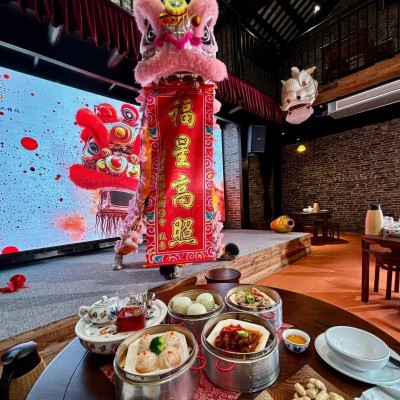
Communal dining norms. Dishes are shared. Use the serving spoon or the reverse end of your chopsticks to transfer food from communal plates to your own bowl. Never dig through a dish looking for your favorite piece — take what's nearest to you. And don't be surprised if your host keeps placing food in your bowl; it's a sign of generosity, not pushiness.
Paying the bill. Fighting for the check is practically a Chinese sport. If someone invites you, they expect to pay. A polite offer to split the bill is courteous, but don't insist too hard — let your host treat you, and return the favor next time. In business settings, the inviting party always pays.
---
Gift-Giving: What to Bring and What to Avoid
Gift-giving in China carries symbolic weight. The right gift shows thoughtfulness; the wrong one can unintentionally offend. Here's a practical cheat sheet.
Do bring:
- Specialty goods from your home country (chocolate, wine, local snacks)
- Quality tea or fruit when visiting someone's home
- Something representative of your culture or region
- Gifts in even numbers (pairs symbolize harmony)
Don't bring:
- Clocks — the word for "giving a clock" (送钟) sounds identical to "attending a funeral"
- Sharp objects like knives or scissors — they symbolize cutting a relationship
- Umbrellas — the word (伞) sounds like "separation" (散)
- White wrapping paper — white is associated with mourning
- Anything in sets of four — the number four (四) sounds like "death" (死)
Presentation counts. Always present and receive gifts with both hands. It's customary for the recipient to set the gift aside and open it later, not in front of you — this shows the relationship matters more than the material object. Don't be offended if your gift isn't opened immediately.
Red envelopes (hongbao). If you're invited to a wedding or celebrating a new baby, cash in a red envelope is the gold standard. The amount should be an even number, and avoid anything with a 4 (¥400 is a no; ¥600 or ¥800 is ideal). If you receive a red envelope, accept it with both hands and don't open it in front of the giver.
---
Temple and Sacred Site Visits: Show Respect the Local Way
China is home to thousands of Buddhist temples, Taoist shrines, Confucian academies, and historic mosques. Whether you're visiting the Lingyin Temple in Hangzhou, the Temple of Heaven in Beijing, or a local neighborhood shrine, these guidelines apply.
Dress modestly. Cover your shoulders and knees. Avoid overly casual clothing like tank tops and shorts. Some temples will provide cover-ups at the entrance, but don't count on it. Remove hats and sunglasses when entering the main hall.
Photography rules vary. Always look for signs before taking photos. Many temples prohibit photography inside the main hall. When in doubt, ask. Never pose with Buddha statues or point your camera directly at a deity figure.
Walking and moving. Step over thresholds, never on them — stepping on a threshold is considered disrespectful. Walk clockwise around stupas and prayer halls. If monks or nuns are chanting or meditating, keep your voice low and move quietly.
Incense and offerings. If you wish to light incense, use your own hands — don't have someone else do it for you. Typically, three sticks of incense are offered. Hold them with both hands, bow three times toward the deity, then place them in the incense burner. You're not expected to make monetary offerings, but a small donation is always appreciated.
Shoe removal. Some temples require you to remove shoes before entering certain areas. Look for piles of shoes at the entrance as a clue, or follow what locals do.
---
Social Interactions: Greetings, Faces, and Personal Space
Chinese social dynamics revolve around the concept of "face" (面子, miànzi) — a mix of dignity, respect, and social standing. Understanding this will transform how you interact with locals.
Greetings. A simple nod and "Nǐ hǎo" (你好) goes a long way. Handshakes are increasingly common, especially in business settings, but let the Chinese counterpart initiate. Among friends, don't be surprised by warm two-handed handshakes or a gentle pat on the shoulder.
The concept of face. Never embarrass someone publicly — whether it's a shopkeeper, a guide, or a business partner. If there's a problem, address it privately and gently. Constructive criticism should always be delivered one-on-one, never in a group setting. Praising someone in front of others "gives face"; criticizing them "causes loss of face."
Personal questions are normal. Chinese people may ask your age, marital status, salary, or why you don't have children. These aren't considered invasive — they're conversation starters. Feel free to answer vaguely or redirect with humor. Asking "Have you eaten?" (吃了吗?) is the Chinese equivalent of "How are you?" — it's a greeting, not a lunch invitation.
Personal space. Physical personal space in China is smaller than in Western countries, especially in crowded cities. Queuing isn't always strict, and gentle jostling in crowded areas is normal. Don't take it personally.
Tipping. Tipping is not customary in China and can sometimes cause confusion or even offense. High-end hotels and restaurants in international districts may accept tips, but in most situations, the bill is the bill. If you want to reward exceptional service, a small gift or sincere compliment means more.
---
Business and Formal Occasions: Navigate Like a Pro
If your China trip includes business meetings or formal events, these additional protocols will help you navigate with confidence.
Business cards. Present and receive business cards with both hands, with the text facing the recipient. Take a moment to read the card — don't just glance and pocket it. Place it on the table in front of you during the meeting as a sign of respect.
Meeting hierarchy. The most senior person enters the room first and sits in the center. Decisions are rarely made on the spot — patience is valued over urgency. Follow up with a polite email summarizing key points after the meeting.
Toasting culture. At business dinners, toasts are frequent. Stand when toasting a senior person, hold your glass lower than theirs when clinking, and take a sip (or the whole glass, depending on the crowd). "Ganbei" (干杯) means "bottoms up" — if you're not a drinker, it's acceptable to say you have a health reason and sip instead.
Dress code. Business formal in China leans conservative: dark suits for men, modest professional attire for women. In summer, lightweight fabrics are fine, but avoid overly casual looks even in creative industries.
---
Plan Your Culturally Enriched China Adventure
Understanding these cultural nuances won't just help you avoid awkward moments — it will open doors to deeper, more meaningful experiences. From the warmth of a home-cooked meal in Guangzhou to a tea ceremony in Suzhou, respect for local customs is your passport to genuine connection.
Our team has helped thousands of international travelers navigate China's cultural landscape with confidence. Whether you're planning your first visit or returning for a deeper dive, we'll craft an itinerary that respects tradition while embracing adventure.
---
📧 Contact Sam for Customized Tours