How to Experience Authentic China Spa Culture: A Complete Guide for First-Time Visitors from the US
How to Experience Authentic China Spa Culture: A Complete Guide for First-Time Visitors from the US
---
Why "China Spa" Became the Must-Do Travel Experience of 2026
If you've spent any time on travel social media this year, you've probably seen the videos: wide-eyed foreign bloggers walking through palatial, multi-story bathhouses in Beijing, Shanghai, and Chengdu, gasping at what they find inside. The hashtag #ChinaSpa has gone viral, and for good reason.
China's bathhouse culture — known locally as xǐyù zhōngxīn (洗浴中心) — is unlike anything in the West. These are not simple spas or saunas. They are sprawling, 24-hour leisure complexes that combine thermal bathing, fine dining, entertainment, and traditional wellness under one roof, often for less than you'd pay for a single massage at home.
The numbers tell the story:
- Meituan's 2026 Bathhouse Guide covers 174 featured bathhouses across 28 cities, with Shenyang, Beijing, and Shanghai topping the list
- Bathhouse service orders grew over 30% year-on-year in 2025, marking what the industry calls its "breakthrough year"
- Over 80% of foreign visitors choose Traditional Chinese Medicine (TCM) assisted bath treatments — the most popular add-on service
- Shanghai received 9.36 million inbound tourists in 2025, up 39.58% year-on-year, with bathhouses ranked among the top must-visit spots
- German tourists have been spotted flying to Shanghai specifically for the bathhouse experience
American travel blogger Yemi walked into a Beijing bathhouse and was instantly overwhelmed: "I was shocked the moment I walked in." For about 50 USD (roughly 344 RMB), she had 24-hour access to unlimited tropical fruit, beverages, premium ice cream, popcorn, and an array of spa treatments — plus a library, gaming lounges, KTV rooms, billiards, claw machines, air hockey, and even private mahjong rooms.
This is not your average spa day. This is China Spa.
---
What Exactly Is a Chinese Bathhouse?
Chinese bathhouses have evolved far beyond their origins. Historically, public bathhouses served a practical hygiene function in an era before private bathrooms were common. Today, they have been reimagined as comprehensive leisure destinations that blend bathing, dining, entertainment, and wellness into a single experience.
The typical layout:
| Area | What You'll Find |
|---|---|
| Ground floor | Reception, shoe lockers, gender-segregated changing rooms |
| Bathing zone | Hot pools (various temperatures), cold plunge pools, saunas (dry and steam), herbal soak pools, shower stations |
| Scrubbing area | Professional body scrubbing services (the famous cuōzǎo 搓澡) |
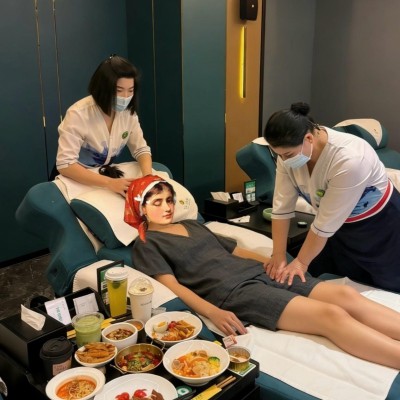
| Wellness floor | TCM massage rooms, cupping therapy, herbal foot baths, moxibustion |
| Leisure floor | Restaurants, snack bars, fruit and beverage stations, reading rooms, gaming areas |
| Entertainment | KTV rooms, billiards, table tennis, mahjong rooms, movie lounges |
| Rest area | Reclining chairs, sleep pods, quiet zones — many guests stay overnight |
Key difference from Western spas: Chinese bathhouses are communal and social. You don't just book a treatment and leave — you arrive, change, bathe, eat, play, rest, and repeat. Many locals spend an entire day or even overnight, treating the bathhouse as a mini-vacation.
---
Bathhouse Etiquette: What First-Timers Need to Know
Cultural norms around bathing differ significantly between China and the West, and understanding the etiquette beforehand will make your first visit far more comfortable.
The nudity question:
This is the single biggest concern for most first-time visitors. In the gender-segregated bathing areas, nudity is the norm. Everyone showers, soaks, and moves between pools without a swimsuit. This is standard, completely unremarkable, and nobody will pay attention to you. Chinese bathers are focused on their own relaxation, not on looking at others.
- The bathing zone is strictly separated by gender — men and women have completely separate floors or wings
- If you're genuinely uncomfortable, some upscale bathhouses offer private bathing rooms (family rooms) for an additional fee
- In mixed-gender areas (leisure floors, restaurants, entertainment), you'll wear the provided cotton yùfú (浴服) — loose-fitting pajama-style clothing
Other essential etiquette:
- Shower before entering any pool — this is mandatory and considered basic hygiene
- Remove shoes at the entrance — you'll be given slippers and a locker key (usually worn on a wristband)
- Don't bring valuables into the bathing area — lockers are provided
- Speak softly in bathing zones — these are spaces for relaxation
- Tip culture is different — tipping is not expected in Chinese bathhouses. If a scrubbing or massage therapist provides exceptional service, a tip is appreciated but never required
- Time your visit — weekday mornings and afternoons are quietest; evenings and weekends get crowded
---
Top China Spa Destinations: Where to Go
Not all bathhouses are created equal. Here are the cities and specific venues that consistently earn the highest marks from both domestic and international visitors.
Shenyang — The Bathhouse Capital
Shenyang in northeastern China is widely regarded as the country's bathhouse capital. Meituan's 2026 Guide ranks it #1 for number of featured bathhouses. The city's bath culture runs deep, influenced by the cold northeastern winters and a tradition of communal bathing that dates back centuries.
Look for bathhouses rated at the "three-diamond" level (the highest in Meituan's classification system). These offer the most luxurious facilities, the widest range of services, and the best food options.
Beijing — The Viral Sensation
The bathhouses that launched the #ChinaSpa trend on social media are mostly in Beijing. These venues tend to be the most foreigner-friendly, with some staff who speak basic English and signage that's easier to navigate. The 24-hour format at around 344 RMB (approximately 50 USD) with unlimited food and entertainment represents extraordinary value.
Shanghai — The International Gateway
Shanghai's bathhouses have adapted most aggressively to international visitors. Many now offer English-language menus, international food options alongside Chinese cuisine, and TCM consultation services tailored for first-timers. The city's role as China's top inbound tourism destination (9.36 million visitors in 2025) means bathhouse staff are increasingly experienced with foreign guests.
Chengdu — The Relaxed Alternative
Chengdu's bathhouses reflect the city's famous laid-back culture. American blogger John's viral 25-minute video touring a 4-story Chengdu bathhouse — complete with mirror-glass ceilings, a library, heated pools, a Japanese restaurant, Xbox gaming rooms, and karaoke — put the city on the China Spa map. Expect a slower pace, more emphasis on leisure than luxury, and incredible Sichuan food.
---
Must-Try Treatments and Services
The bathing is just the beginning. Here are the experiences that make China Spa truly unique — and that you won't find anywhere else.
1. Cuōzǎo (搓澡) — The Traditional Body Scrub
This is the quintessential Chinese bathhouse experience. A trained attendant uses a rough scrubbing mitt to exfoliate your entire body, removing layers of dead skin you didn't know you had. It can feel intense, especially the first time, but the result is impossibly smooth skin. A typical session lasts 15–20 minutes.
2. TCM Assisted Bath (中医助浴)
The single most popular add-on among foreign visitors (chosen by over 80%). Herbal formulations are added to your soaking pool — combinations of mugwort, ginger, safflower, and other traditional ingredients designed to improve circulation, relieve muscle tension, and promote detoxification. A TCM practitioner may assess your constitution and recommend specific herbal blends.
3. Cupping Therapy (拔罐)
Those circular marks you've seen on Olympic athletes? This is where they come from. Cupping involves placing heated glass cups on the skin to create suction, drawing blood to the surface and releasing muscle tension. It's widely available in Chinese bathhouses and typically costs a modest additional fee.
4. Milk or Wine Soak
For something gentler, try a milk bath (believed to soften and brighten skin) or a red wine soak (rich in antioxidants). These specialty pools are common in three-star and above bathhouses.
5. The Full Feast
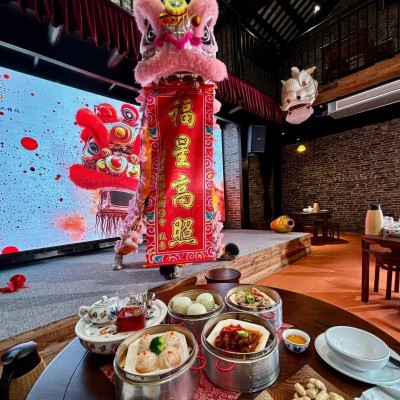
Don't skip the food. A single admission often includes unlimited access to fresh tropical fruit (mango, dragon fruit, lychee), premium ice cream brands, beverages, and snacks. Many bathhouses also have full-service restaurants serving everything from dumplings and stir-fries to sushi and Korean BBQ — all charged to your wristband and settled at checkout.
---
Plan Your China Spa Experience
China Spa isn't just a trend — it's a genuine cultural institution that offers international travelers an experience impossible to replicate anywhere else. Where else can you soak in herbal pools, get exfoliated by a professional, eat unlimited tropical fruit, sing karaoke, play mahjong, and sleep in a reclining lounge chair, all for about 50 dollars?
The #ChinaSpa phenomenon is still growing, and bathhouses are becoming increasingly foreigner-friendly. But the core experience — the communal bathing, the meticulous body scrubs, the TCM wellness treatments — remains authentically, unmistakably Chinese.
Our travel specialists can help you choose the right bathhouse for your comfort level, book English-friendly venues, and build a full itinerary that pairs your spa day with the best of each city.
---
📧 Contact Sam for Customized Tours