How Immersive Dining Experiences Are Reshaping China Inbound Travel (Guangdong & Hunan)
Key Takeaways
For International Travelers:
- China's immersive dining trend has validated strong demand: 8,400+ international tourists from 79 countries experienced "TASTE OF CHINA" with 90%+ satisfaction rates
- Guangdong morning tea transforms dining into a cultural ceremony where food becomes a medium for social connection and traditional ritual
- Hunan's night markets offer an electrifying sensory adventure where authentic spice challenges merge with local lifestyle immersion
- Visa-free policies now make these multi-destination culinary journeys more accessible than ever for international travelers
- ChinaTravelPlus combines state-owned enterprise credibility with private-enterprise service excellence for authentic culinary access
Content Outline
- The Rise of Immersive Dining in China's Tourism Landscape
- Guangdong Morning Tea: A Cultural Ceremony Beyond Dim Sum
- Hunan Night Markets: Where Spice Meets Local Lifestyle
- Why Immersive Dining Transforms Travel from "Visiting" to "Belonging"
- Planning Your Culinary Journey: Guangdong and Hunan Combined
- Plan Your Culinary Adventure
The Rise of Immersive Dining in China's Tourism Landscape
When Ctrip's "TASTE OF CHINA" immersive restaurant launched on Shanghai's Bund, few anticipated the phenomenon it would become. Today, with 8,400+ international tourists from 79 countries having experienced this concept and a satisfaction rate exceeding 90%, the numbers speak volumes about a fundamental shift in what global travelers seek from China.
This success reflects a broader transformation in inbound tourism philosophy. The industry is evolving from "seeing China" to "experiencing China as a Chinese person would." Dining, it turns out, is one of the most powerful vehicles for this transformation. Food transcends language barriers, creates shared sensory memories, and naturally facilitates authentic human connection.
For international travelers, China's culinary landscape offers unmatched diversity. From the delicate refinement of Cantonese cuisine to the bold, chili-forward flavors of Hunan cooking, each region tells its own story through ingredients, techniques, and traditions passed down through generations. The immersive dining movement has recognized this potential and elevated it into structured, accessible experiences for visitors who might otherwise miss these cultural dimensions entirely.
What makes this trend particularly significant for inbound tourism is its alignment with the visa-free policies that have dramatically simplified access to China. Travelers no longer need complex documentation to embark on multi-city culinary adventures. They can flow naturally from Shanghai's contemporary interpretations of traditional flavors to Guangzhou's century-old tea houses to Changsha's buzzing night market stalls—all without visa applications or sponsorship letters.
This convergence of culinary authenticity, cultural immersion, and policy accessibility creates unprecedented opportunities for travelers seeking genuine Chinese experiences rather than surface-level tourism.
Guangdong Morning Tea: A Cultural Ceremony Beyond Dim Sum
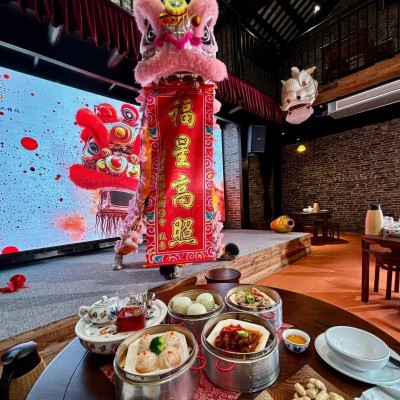
Ask any Cantonese local about morning tea, and they'll tell you it isn't really about the food. While visitors might focus on har gow (shrimp dumplings), siu mai (pork dumplings), and char siu bao (barbecued pork buns), locals will explain that these delicacies serve as vehicles for something far more significant: social ritual, family connection, and cultural continuity.
The Cantonese morning tea ceremony represents a microcosm of Guangdong's approach to hospitality and community. At iconic establishments like Guangzhou's "Tea Time" establishments or legendary hotels like The White Goose Lotus (Baihe Lian), the experience unfolds across hours rather than minutes. Friends gather around circular tables, passing bamboo steamers laden with bite-sized creations, pouring tea from pot to cup with practiced ritual, and engaging in the animated conversation that defines Cantonese social life.
For international travelers, this represents a profound departure from the transactional restaurant experience common elsewhere. There's no rushing here, no "table for how many, what do you want to order." Instead, chaos gradually organizes itself into a comfortable rhythm where unexpected connections form naturally.
The Social Architecture of Morning Tea
Morning tea operates through unwritten rules that newcomers can learn and participate in meaningfully. The "tea master" role rotates among table members, ensuring everyone's cup remains filled. The "knock two fingers" gesture—tapping index and middle fingers on the table as acknowledgment and thanks—creates a silent language of courtesy that spans generations.
Understanding this social architecture transforms a meal into a cultural lesson. International travelers who grasp these nuances don't merely observe Guangdong culture; they participate in it, creating memories that transcend the plate in front of them.
Where Morning Tea Becomes Immersive Experience
Several establishments have embraced the immersive dining movement by offering structured morning tea experiences that combine culinary education with cultural participation. These experiences typically include:
- Guided introductions to tea varieties (oolong, pu'er, chrysanthemum) paired with appropriate dishes
- Step-by-step demonstrations of dim sum etiquette and techniques
- Historical context explaining how morning tea evolved from Cantonese laborers' protein breaks into a sophisticated social institution
- Opportunities to try hand-pressing dumpling skins and shaping basic dim sum
These structured experiences make the traditionally informal morning tea culture accessible to visitors while preserving its authentic character. The goal isn't to Westernize the experience but to provide cultural translation that deepens appreciation without diminishing authenticity.
Practical Considerations for Morning Tea Experiences
The best time for morning tea is early—typically starting between 6:00 and 8:00 AM at traditional establishments, with peak hours between 9:00 and 11:00 AM. Weekend mornings are particularly vibrant but also crowded, so weekday visits offer a more relaxed pace for first-timers.
Dress code is casual but respectful. Many Cantonese families mark special occasions (birthdays, anniversaries, graduations) with morning tea gatherings, so you may find yourself sharing space with celebrating families who welcome the presence of curious international guests.
Payment follows traditional patterns: servers mark your table's bamboo checked tickets as dim sum carts circulate, with final settlement at the exit. This system, unchanged for generations, adds an authentic dimension that digital ordering simply cannot replicate.
Hunan Night Markets: Where Spice Meets Local Lifestyle
If Guangdong morning tea represents refined, leisurely cultural participation, Hunan's night markets embody its sensory opposite: energetic, bold, and unapologetically intense. The contrast between these two culinary experiences—across provinces, across personalities, across flavor profiles—makes combining them particularly rewarding for international travelers seeking comprehensive exposure to China's diverse food culture.
Changsha, Hunan's capital, has transformed its night market scene into a tourist attraction without sacrificing authenticity. The Huangxing Road Night Market, Wuyi Avenue Food Street, and the newer Tongxiang International Food City draw both locals and visitors into a world where smoke rises from sizzling woks, chili oil perfumes the air, and vendors shout their specialties in the distinctive Hunan dialect that has influenced Mandarin pronunciation more than any other regional variant.
The Heat That Defines Hunan Cuisine
Hunan cooking—known locally as Xiang cuisine—is characterized by its liberal use of chili peppers in various forms: fresh, dried, pickled, and as oil. Unlike Sichuan cuisine's "numbing heat," Hunan spice delivers pure, direct fire that builds and builds without the protective numbing effect. For international travelers accustomed to milder flavors, this represents both a challenge and an invitation.
The signature dish for adventurous eaters is undoubtedly the "spicy crawfish" (麻辣小龙虾), a seasonal delicacy where plump crustaceans absorb intense chili and mala (numbing peppercorn) flavors. Eating them requires technique—cracking shells, extracting meat, sucking chili-infused broth from the head—and creates a communal, messy experience that breaks down social barriers in the same way that shared Peking duck or Mongolian hot pot do elsewhere.
Beyond the Heat: Hunan's Culinary Philosophy
Superficial descriptions of Hunan food focus on spice, but experienced travelers discover deeper layers. Hunan cuisine emphasizes "freshness" in ways that differ from Cantonese approaches. Where Guangdong cooking highlights ingredient purity and natural flavors, Hunan cooking celebrates transformation—smoking, curing, fermenting, and aging that create complex flavor profiles from humble ingredients.
Chairman Mao's favorite dish, "Mao's braised pork" (毛氏红烧肉), exemplifies this philosophy: pork belly slow-cooked in soy sauce and chili until it achieves a texture that melts on the tongue while maintaining structural integrity. The dish tells the story of Hunan's relationship with heat, history, and home cooking.
Night Market Immersion: Practical Experience
Engaging authentically with Hunan night markets requires shedding hesitation and embracing the sensory assault. Unlike structured dining establishments, night markets operate through instinct, communication, and willingness to try. Key strategies include:
- Follow the crowd: Vendors with lines serve quality at fair prices; empty stalls often indicate overpriced tourist traps
- Point and share: Language barriers dissolve when you point at what others are eating and indicate "one of those, please"
- Embrace communal tables: Seating is shared at most night market stalls, creating natural conversation opportunities with locals
- Trust your senses: If something smells incredible and looks like people are enjoying it, trust the evidence
The immersive element comes from participating rather than observing. International travelers who dive in—negotiating for extra spice levels, attempting to replicate local eating techniques, laughing at inevitable mistakes—find that these markets become spaces of genuine cultural exchange rather than staged experiences.
Why Immersive Dining Transforms Travel from "Visiting" to "Belonging"
The distinction between visiting a place and belonging there represents the fundamental promise of immersive dining experiences. Traditional tourism—even thoughtful, well-planned tourism—often maintains separation between traveler and local. You see the sites, eat the food, observe the customs, but the membrane between "us" and "them" remains intact.
Immersive dining begins dissolving this membrane. When you sit for two hours at a Cantonese morning tea table, sharing food, pouring tea, participating in the knock gesture ritual, you aren't a tourist watching locals. You become part of the scene. The locals become your teachers, your conversation partners, your guides to a world that existed before tourism and will continue existing after.
Similarly, navigating a Hunan night market—sweating through your shirt from chili heat, learning which vendors offer the best value, figuring out the unspoken rules of communal seating—creates earned knowledge that transforms passive observation into active participation.
The Psychology of Shared Meals
Research across cultures confirms what travelers intuitively sense: sharing food creates bonds that transcend cultural and linguistic differences. The physical act of eating together—passing dishes, pouring drinks, inviting others to try what you've ordered—triggers social connection responses that make strangers feel like acquaintances and acquaintances feel like friends.
For international travelers in China, where cultural differences might otherwise create barriers, shared meals provide a universal language. The Hunan family at the next table becomes your cheerleader when you successfully handle a extra-spicy dish. The Cantonese grandmother pouring your tea becomes a silent mentor introducing you to her world.
State-Owned Credibility, Private Enterprise Service
This is where ChinaTravelPlus offers distinct value. As a travel platform backed by state-owned enterprise credibility, we access authentic experiences that tourist-oriented establishments might not offer. Our relationships with traditional morning tea houses, family-run night market vendors, and local culinary experts aren't transactional; they're built on decades of community integration.
Combined with private-enterprise service standards, this means travelers receive the best of both worlds: authentic access to local food culture with professional support for planning, translation, and logistics. You don't just stumble into these experiences randomly; you enter them with context, preparation, and expert guidance that maximizes cultural understanding while preserving spontaneity.
Planning Your Culinary Journey: Guangdong and Hunan Combined
Combining Guangdong and Hunan in a single culinary journey creates a comprehensive China food experience that balances opposites: refined versus bold, morning versus night, subtle versus intense, leisurely versus energetic.
Recommended Itinerary Structure
A 7-10 day itinerary that effectively captures both provinces might follow this pattern:
- Days 1-2: Guangzhou for morning tea immersion, including visits to traditional establishments and structured cultural experiences
- Days 3-4: Shenzhen or surrounding Pearl River Delta areas for additional Cantonese food exploration with modern interpretations
- Days 5-6: Travel to Changsha, adjusting palate expectations and building anticipation
- Days 7-8: Intensive Hunan night market exploration, including day trips to surrounding Hunan culinary destinations
- Days 9-10: Departure or extension to additional destinations
Timing Considerations
Season affects both provinces differently. Guangdong's climate makes most times suitable, though spring (March-May) offers pleasant mornings for tea. Hunan summers are intensely hot and humid—good for night market exploration but challenging during daylight hours. Autumn (September-November) provides ideal conditions for Hunan travel.
Major holidays (National Day Golden Week, Chinese New Year) should be avoided for authentic food experiences, as many family establishments close for celebrations and tourist-oriented venues replace authentic offerings with diluted versions.
Language and Communication
While major hotels and established restaurants in both cities offer English menus and staff with basic English, the most authentic experiences often involve minimal English. Learning five phrases in Mandarin/Cantonese—hello, thank you, delicious, how much, one more please—transforms interactions significantly. ChinaTravelPlus provides pre-trip language preparation materials specifically designed for food-focused travelers.
Budget Considerations
Both Guangdong and Hunan offer exceptional value relative to Western dining costs. Quality morning tea for two rarely exceeds 200-300 RMB ($30-45 USD), including multiple rounds of dim sum and premium tea. Night market meals can be even more economical—hearty portions of signature dishes often cost under 50 RMB ($7 USD) per person.
The investment comes in expert guidance and access to experiences that guidebooks don't know exist. The meal costs remain remarkably affordable, making these culinary journeys accessible to travelers across budget levels.
Plan Your Culinary Adventure
The data from "TASTE OF CHINA" confirms what experienced travelers have always known: China's food culture represents its most accessible, most rewarding, and most transformative tourism asset. Immersive dining experiences in Guangdong and Hunan offer pathways into authentic Chinese life that no amount of sightseeing can replicate.
Ready to experience authentic Cantonese morning tea ceremonies and electrifying Hunan night market adventures for yourself? Our expert travel specialists can help you design the perfect culinary journey combining both provinces.