Fruit Picking in China: Ultimate Guide to Lychee, Peach & Tropical Fruit Harvest Experiences
Key Highlights
- China offers world-class fruit picking experiences with unique varieties unavailable elsewhere, from peak-season lychees in Guangdong to fragrant peaches in Jiangsu
- Four must-visit destinations: Guangdong (lychee), Jiangsu (peach), Yunnan (tropical fruits), and Hangzhou (loquat)
- Best harvest seasons span April through August, with each region offering distinct fruits and cultural experiences
- Agritourism in China combines orchard visits with authentic rural hospitality, farm-to-table dining, and traditional Chinese seasonal eating culture
- Essential tips for international travelers: timing, transport, what to bring, and cultural etiquette
Why Choose China for Fruit Picking Experiences
China's vast geography and diverse climate create ideal conditions for cultivating some of the world's most prized fruits. Unlike commercial orchards in other countries, many Chinese farms maintain traditional cultivation methods passed down through generations, producing fruit varieties with exceptional flavor profiles that rarely reach international markets. Fruit picking in China offers travelers an authentic connection to the land and a taste of China's rich agricultural heritage.
From the subtropical orchards of Guangdong to the fertile valleys of Jiangsu and the tropical plantations of Yunnan, international visitors can experience the full cycle of harvest while engaging with local farming communities. Our team has guided over 1,000 international travelers through these unique agricultural experiences, and we consistently hear that fruit picking ranks among their most memorable China cultural experiences.
What sets China apart is not merely the fruit itself, but the complete immersion into seasonal living. Chinese cuisine philosophy emphasizes eating with the seasons, and agritourism in China allows visitors to participate in this ancient tradition directly.
Guangdong Lychee Orchards: The Sweetest Harvest in South China
Best Season: May to June
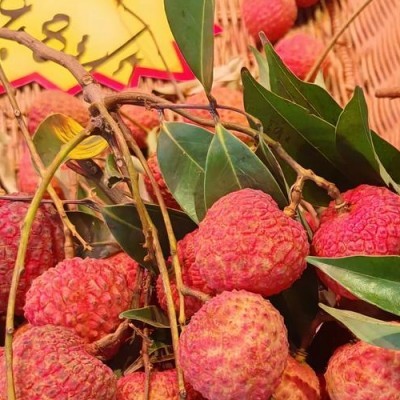
The Pearl River Delta region, particularly Zengcheng and Maoming, produces over 60% of China's lychee crop. The fruit's Chinese name "lizhi" appears in records dating back 2,000 years, making lychee not just a fruit but a cultural icon in Chinese history.
Why International Travelers Love It
Imagine walking through rows of evergreen lychee trees heavy with ruby-red fruit, the sweet fragrance filling the air. Many travelers from Singapore, Southeast Asia, and Europe tell us this orchard experience reminds them of their grandmother's stories about these legendary fruits that once required imperial couriers to deliver fresh to Beijing within days.
Recommended Orchards
- Zengcheng Lychee Ecological Park: Located just 70 kilometers from Guangzhou, this park offers guided picking tours with bilingual staff. Visitors can sample over 20 varieties including the prized "Sweet Cracked Shell" (baishui) lychee.
- Maoming Gaozhou Lychee Garden: Known for the ancient "Champion Tree" that produces the region's most prized variety. Rural homestays available for overnight immersion.
Practical Information
- Entry fee: 30-50 RMB (includes 500g self-picked fruit)
- Additional fruit: 15-25 RMB per 500g
- Transport from Guangzhou: High-speed train to Zengcheng (30 minutes), then local taxi
- Tip: Visit during the Zengcheng Lychee Festival (early June) for cultural performances alongside picking
Jiangsu Peach Farms: The Fragrant Journey to Peach Blossom Valley
Best Season: June to July
Wuxi's Yangshan region has cultivated water peaches (shuitao) since the Ming Dynasty, with volcanic soil and pristine water creating a fruit famous throughout East Asia. The Yangshan water peach holds a Geographical Indication certification, meaning only peaches grown in this specific region can bear the name.
The Unique Yangshan Experience
Unlike peaches found in Western supermarkets, Yangshan water peaches are characterized by their delicate fragrance, juicy flesh that can be sucked directly through a straw, and a honey-sweetness that visitors consistently describe as "eating liquid sunshine." During peak season, the entire valley fills with the intoxicating aroma of ripening fruit.
Recommended Farms
- Yangshan Water Peach Research Institute: Educational tours explaining cultivation techniques, with tasting sessions featuring rare preserved peach products.
- Family-operated farms in Taigutang Village: More intimate experiences with local farmers, often including traditional Jiangsu snacks and tea.
Cultural Connection
Chinese literature and art have celebrated peaches for millennia as symbols of longevity and immortality. The Peach Blossom Spring, described by poet Tao Yuanming, represents an ideal utopian society—visiting Yangshan during harvest season brings this literary fantasy to life.
Practical Information
- Entry fee: 40-60 RMB (includes guided tour and tasting)
- Self-picking: 20-35 RMB per 500g depending on variety
- Transport from Shanghai: High-speed train to Wuxi (45 minutes), then bus to Yangshan (40 minutes)
- Best time: Early morning to avoid afternoon heat and crowds
Yunnan Tropical Fruit Plantations: Adventure at China's Fruit Frontier
Best Season: July to August
Yunnan's Xishuangbanna region sits at the southernmost tip of China, sharing a border with Laos and Myanmar. Its tropical climate supports fruit varieties rarely found elsewhere in the country, making it an exciting destination for adventurous food travelers.
Mango, Dragon Fruit & Beyond
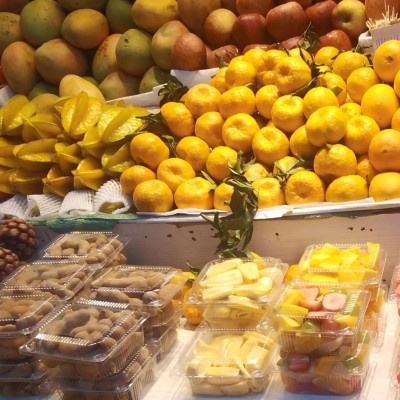
Xishuangbanna's plantations produce mangoes, dragon fruit, passion fruit, wax apples, and dozens of tropical varieties unfamiliar to most international palates. Our team particularly recommends the "Golden Phoenix" mango—a fiber-free variety with an almost custard-like texture that has converted many skeptical visitors into tropical fruit enthusiasts.
Recommended Experiences
- Dai Ethnic Village Fruit Tours: Combine orchard visits with cultural immersion into Dai minority traditions, including traditional fruit preservation techniques.
- Commercial plantations in Menglian County: Modern operation with English-speaking guides and certified organic selections.
Beyond Picking
Xishuangbanna's agritourism extends beyond harvesting. Many plantations offer fruit-themed cooking classes where visitors learn to prepare tropical fruit salads, mango sticky rice, and dragon fruit smoothies using freshly picked ingredients.
Practical Information
- Peak season: July-August for dragon fruit (night blooming flowers are a spectacle), mangoes peak June-August
- Typical tour cost: 150-300 RMB including transport, guide, and unlimited tasting
- Transport from Kunming: Flight (45 minutes) or overnight sleeper train
- Climate note: Bring sun protection; Xishuangbanna is significantly warmer than Kunming
Hangzhou Tangqi Loquat Groves: Ancient Orchards Near West Lake
Best Season: April to May
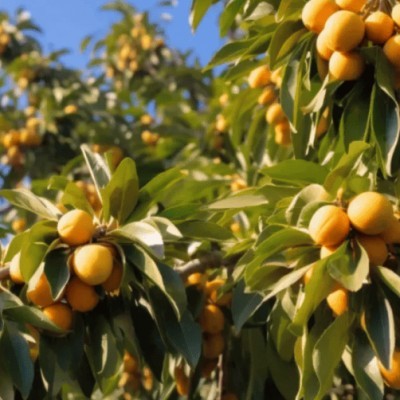
The Tangqi region, just 20 kilometers from Hangzhou's famous West Lake, has cultivated loquats (pipa) for over a thousand years. These golden fruits were among the first to be domesticated in China and remain deeply woven into local culture and cuisine.
The Tangqi Experience
Unlike the firm loquats found in supermarkets, Tangqi loquats are prized for their tenderness and complex sweet-tart flavor. The orchards themselves are peaceful retreats from the bustle of Hangzhou, with ancient trees some dating back 300 years still producing abundant harvests.
What Makes Tangqi Special
The proximity to Hangzhou's cultural attractions makes Tangqi ideal for combining China cultural experiences with agritourism. Visitors can explore West Lake in the morning, enjoy an afternoon of loquat picking, and dine on seasonal Zhejiang cuisine in the evening.
Recommended Activities
- Self-guided orchard walks: The area features dozens of small family farms welcoming visitors
- Traditional medicine understanding: Loquats appear extensively in Chinese medicinal texts; local practitioners sometimes offer explanations
Practical Information
- Entry fee: 20-40 RMB (varies by farm)
- Self-picking: 15-20 RMB per 500g
- Transport from Hangzhou: Metro Line 1 to Linpu, then taxi or bus
- Best timing: Visit during the White Chrysanthemum Festival in autumn for a different agricultural experience
Mastering the Art of Fruit Picking: Techniques from Local Farmers
Successful fruit picking requires understanding what makes fruit ready for harvest. Chinese farmers share these time-tested principles:
General Guidelines
- Color: Look for full color development without green patches
- Touch: Gentle pressure should yield slightly without causing bruising
- Smell: Ripe fruit emits a strong, pleasant fragrance
- Stem connection: Fruit should release with a slight twist rather than requiring pulling
Fruit-Specific Tips
- Lychee: Harvest when scales (bumps) flatten slightly; the stem should be full and green
- Peach: Check the "ground spot" (bottom area) for yellowing; aroma indicates ripeness
- Mango: Gentle squeeze near the stem; slight give means ready
- Loquat: Avoid fruit with skin blemishes; color should be uniformly golden
Etiquette in Chinese Orchards
Chinese farmers welcome respectful visitors. A few cultural notes:
- Always ask before entering orchards; some farms require advance booking
- Tasting a fruit before picking is generally acceptable but ask first
- Avoid touching excessive fruit unnecessarily; oils from skin can damage fruit
- "Zai jian" (goodbye) and expressions of gratitude are appreciated
Farm Stay & Rural Hospitality: Where Harvest Meets Home
Agritourism in China extends beyond the orchard. After a day of picking, many travelers choose to extend their experience through farm stays that offer genuine rural hospitality.
Nongjiale (农家乐) Culture
Farm stay guesthouses, known as nongjiale, provide comfortable accommodations in working farm settings. These family-run establishments typically include:
- Home-cooked meals featuring seasonal produce and regional specialties
- Hands-on activities such as vegetable picking, dumpling making, or tea processing
- Cultural exchange with farm families eager to share their way of life
What to Expect
Prices typically range from 150-400 RMB per night including meals. Accommodations are simpler than city hotels but spotlessly clean, with families often going out of their way to ensure international guests feel comfortable. Many travelers tell us these farm stay experiences—with their genuine warmth and authentic interactions—become the highlight of their China journey.
Booking Recommendations
We recommend booking through local tourism offices rather than international platforms for the most authentic farm stay connections. Our travel specialists can arrange introductions to vetted farm families with experience hosting international visitors.
The Cultural Significance of Seasonal Fruits in China
Understanding Chinese fruit culture enriches the picking experience significantly.
Seasonal Eating Philosophy
Traditional Chinese medicine and dietary practices emphasize eating fruits when they naturally ripen. This philosophy believes seasonal fruits provide the nutrients the body needs at that time of year. The Chinese calendar traditionally organized life around these natural cycles, with specific fruits marking seasonal transitions.
Fruit in Festivals & Traditions
Many Chinese festivals feature traditional fruit offerings:
- Lunar New Year: Oranges and tangerines symbolizing good fortune
- Mid-Autumn Festival: Pomelos and moon cakes
- Qingming: Fresh spring fruits as offerings to ancestors
Historical Connections
Chinese fruit cultivation influenced varieties grown worldwide. Peach trees native to China spread along trade routes to Persia and Europe. The lychee was a diplomatic gift between Chinese emperors and Vietnamese kings. Understanding these connections transforms fruit picking from mere activity into cultural pilgrimage.
Essential Travel Information
Best Time to Visit by Destination
| Destination | Fruit | Peak Season | Climate Tips |
|---|---|---|---|
| Hangzhou | Loquat | April-May | Pleasant, occasional rain |
| Guangdong | Lychee | May-June | Hot and humid; sun protection essential |
| Wuxi | Peach | June-July | Warm, comfortable for picking |
| Xishuangbanna | Tropical fruits | July-August | Hot and tropical; stay hydrated |
What to Bring
- Comfortable walking shoes (orchard paths can be uneven)
- Sun protection: hat, sunscreen, sunglasses
- Light long sleeves for sun protection in orchards
- Camera for capturing harvest moments
- Cash (many rural farms don't accept mobile payment)
- Small backpack for picked fruit
Transport Tips
All four destinations are accessible via China's efficient high-speed rail network or domestic flights. We recommend:
- Guangdong: Fly to Guangzhou Baiyun International, then ground transport
- Wuxi: Direct high-speed trains from Shanghai, Nanjing, Beijing
- Hangzhou: Accessible via Shanghai or direct international flights
- Xishuangbanna: Fly to Kunming, then connect to Jinghong
Booking Orchard Visits
While many orchards welcome walk-in visitors, we recommend booking during peak season to ensure availability and access to English-speaking guides. Our team can arrange private orchard experiences with vetted farms and trusted local guides.
Recommended China Travel Tours
Pair your reading with a hand-picked itinerary from our real tour collection:
- Zhejiang Wellness Journey: Hangzhou Luxury Bathhouse & West Lake Zen 5-Day Healing Tour — Jiangnan Tang Quan tea-scented SPA, Yue-style Tui Na, West Lake Zen, Longjing tea. 5-day Zhejiang wellness.
- Yunnan After Dark: Night Markets & Ancient Towns | 6-Day Private Tour — Kunming night market crawl to Asia's largest night market. 6 days, 4 cities, one guide — Yunnan after dark like a local.
Plan Your Fruit Picking Adventure
Email Sam for customized tour planning.
Email Luppy for group bookings (10+ travelers).
Visit ChinaTravelPlus.com for the full collection.
Published: July 2026
More Than Travel. It's the Plus That Matters.