Foreign Tourists Are Falling in Love with China's Small Cities: May Day 2026 Data Shows 735% Surge
Foreign Tourists Are Falling in Love with China's Small Cities: May Day 2026 Data Shows 735% Surge
The Great Shift: From Megacities to Hidden Gems
Something remarkable is happening in China's inbound tourism: the center of gravity is shifting from the traditional "Big Three" (Beijing, Shanghai, Guangzhou) to cities most foreigners had never heard of five years ago.
The Data Behind the Trend
| City | Inbound Growth Rate | Key Attraction |
|---|---|---|
| Datong, Shanxi | +735% | Yungang Grottoes, Hanging Temple |
| Nanning, Guangxi | +200%+ | Gateway to ASEAN, regional cuisine |
| Zhangjiajie, Hunan | +32.79% (2025), +30% (2026 Q1) | Avatar mountains, hiking |
| Dali, Yunnan | +200%+ | Ancient town, ethnic Bai culture |
| Yiwu, Zhejiang | +200%+ | International trade hub |
| Shijiazhuang, Hebei | +200%+ | Budget gateway to northern China |
Source: Qunar platform data, Hunan/Zhangjiajie tourism bureaus, border inspection reports
Why Small Cities? Four Drivers
1. Authenticity Over Amenity
International travelers are increasingly drawn to what Chinese social media calls "烟火气" — the lived-in, everyday quality of real neighborhoods. "Compared to bustling metropolises, my trip to Zhangjiajie was unforgettable," said Alyona, a Russian visitor. "We planned a brief stop but ended up exploring so many places."
2. Social Media Discovery
The 2025 "Xiaohongshu migration" — when thousands of foreign users joined the Chinese social platform — created a two-way discovery loop. Foreign visitors found hidden gems through Chinese users' posts, while Chinese locals acted as informal guides.
3. Affordability
A full meal in Datong costs ¥30-50 ($4-7) versus ¥100-200 ($14-28) in Shanghai. Three-star hotels in second-tier cities average ¥200-300 ($28-42) versus ¥500-800 ($70-112) in tier-one cities.
4. Visa Policy Accessibility
The expanded 240-hour transit visa and 47-country visa-free policy make it easier than ever to venture beyond major hubs — especially when entry ports like Zhangjiajie now serve as direct international gateways.
The Pain Points That Remain
Despite the enthusiasm, infrastructure gaps persist:
| Pain Point | Impact | Solution |
|---|---|---|
| English signage | Almost non-existent outside tourist zones | Download offline translation apps |
| Payment systems | WeChat/Alipay dominant; cash inconvenient | Set up Alipay TourCard before arrival |
| Ticket booking | Most scenic sites require Chinese apps | Book through specialist operators |
| English-speaking guides | Extremely scarce in small cities | Arrange in advance with ChinaTravelPlus |
The #ChinaSpa Factor
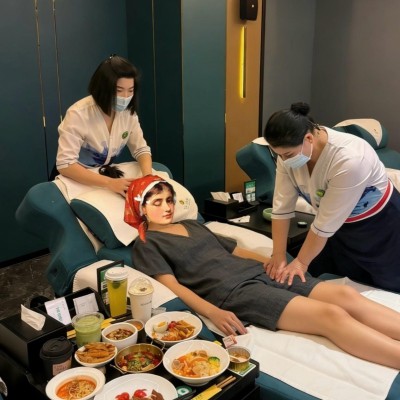
One trend bridges the megacity-small-city divide: the viral popularity of Chinese bathhouse culture. TikTok videos under #ChinaSpa have accumulated over 9.5 million views, with tourists documenting 24-hour spa experiences that combine hot springs, massage, dining, and even karaoke — all for under $30.
This trend is particularly relevant because it works in both large cities (Guangzhou, Shanghai) and smaller destinations (Yunnan wellness retreats), making it a reliable experience anchor for any itinerary.
Plan Your China Journey
Ready to discover China beyond the usual tourist trail? Our expert travel specialists can design off-the-beaten-path itineraries with all logistics — transportation, accommodation, English-speaking guides, and payment solutions — handled for you.
---
📧 Contact Sam for Customized Tours