Chinese Traditional Festivals 2026: A Traveler's Guide to Cultural Immersion
Key Takeaways
For International Travelers:
- Chinese festivals follow the lunar calendar, with dates changing annually—2026 Spring Festival falls on February 17
- The four major statutory holidays are Spring Festival, Qingming, Dragon Boat, and Mid-Autumn Festival
- Festival periods offer the most immersive cultural experiences but require advance booking due to high domestic travel demand
- China offers 55-country 240-hour transit visa-free access, making festival visits increasingly accessible
- Local experiences like family dinners, temple fairs, and traditional performances provide authentic cultural connections
Content Outline
- Why Festivals Are the Best Time to Visit China
- Major Traditional Festivals in 2026
- Chinese New Year: The Ultimate Cultural Experience
- Mid-Autumn Festival: Mooncakes & Family Reunions
- Dragon Boat Festival: Racing Traditions
- Qingming Festival: Honoring Ancestors in Spring
- How to Participate as an International Traveler
- Plan Your Festival Journey
Why Festivals Are the Best Time to Visit China
China's traditional festivals are living cultural treasures that transform ordinary destinations into extraordinary celebrations. When millions of Chinese people engage in time-honored customs simultaneously, the atmosphere becomes electric—creating travel experiences impossible to replicate anywhere else in the world.
Why time your visit around festivals?
- Authentic cultural immersion: Festivals offer windows into Chinese values, family bonds, and ancestral traditions that daily life cannot match
- Visual spectacle: Red lanterns, fireworks, dragon dances, and illuminated streets create photographer's paradises
- Culinary adventures: Festival foods like mooncakes, zongzi, and tangyuan connect you to centuries of culinary heritage
- Emotional resonance: Joining locals in celebration creates memories that transcend typical tourist experiences
According to the National Immigration Administration, China's 2026 Spring Festival saw over 2.05 million daily border crossings—14.1% more than the previous year. International travelers are increasingly discovering that there's no better way to understand China than through its festivals.
Major Traditional Festivals in 2026
The Lunar Calendar in Action
Chinese festivals follow the lunar calendar, meaning dates shift annually. Here's your complete 2026 festival calendar:
| Festival | Date | Significance |
|---|---|---|
| Spring Festival | Feb 17, 2026 | Chinese New Year, Year of the Fire Horse |
| Lantern Festival | Mar 3, 2026 | Marks end of New Year celebrations |
| Qingming Festival | Apr 5, 2026 | Tomb sweeping and spring outings |
| Dragon Boat Festival | Jun 19, 2026 | Dragon boat races and zongzi |
| Mid-Autumn Festival | Sep 25, 2026 | Family reunions under full moon |
| Double Ninth Festival | Oct 18, 2026 | Mountain climbing and respect for elders |
Official Public Holidays (when you can travel domestically):
- Spring Festival: Feb 15-23, 2026
- Qingming Festival: Apr 4-6, 2026
- Dragon Boat Festival: Jun 19-21, 2026
- Mid-Autumn Festival: Sep 25-27, 2026
Chinese New Year: The Ultimate Cultural Experience
February 17, 2026 marks the beginning of the Year of the Fire Horse—one of the most celebrated occasions in Chinese culture.
What to Expect
The Spring Festival is not a single day but a 15-day celebration beginning on Chinese New Year's Eve (Chuxi, February 16) and ending with the Lantern Festival (March 3).
Week-Long Festivities
Days 1-7: Family Reunion Period
- Fireworks at midnight on New Year's Eve
- Family dinner (nianyefan) featuring dumplings, fish, and symbolic dishes
- Red envelopes (hongbao) given to children and unmarried relatives
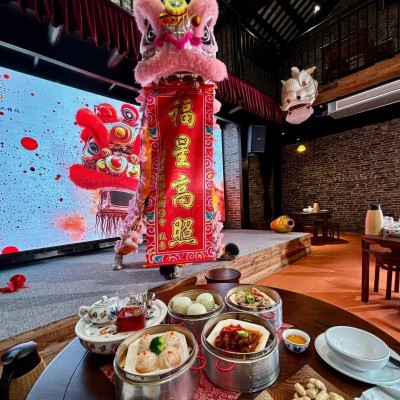
- Temple fairs (miaohui) with traditional performances
Around the World: Beyond China, you can experience Chinese New Year in Singapore's Chinatown, San Francisco's historic Chinatown district, Yokohama Chinatown in Japan, or Sydney's Darling Harbour—each offering unique local interpretations of this universal celebration.
Best Destinations for International Travelers
Beijing: Imperial City celebrations with temple fairs at the Temple of Earth, Summer Palace ice sculptures, and traditional hutong experiences
Shanghai: International-friendly celebrations with over 2,570 cultural events, cruise ship arrivals, and cosmopolitan New Year festivities
Harbin: Combine winter magic with festive warmth—the Harbin Ice and Snow World hosts spectacular celebrations
Hainan: Experience "Chinese New Year in shorts"—Hainan's first year after bonded operations offers warm-weather celebrations with beach festivities
Practical Tips for 2026
- Book accommodations 3-6 months in advance—this is peak travel season
- Arrive 2-3 days before Chinese New Year's Eve to experience pre-festival preparations
- Many restaurants and shops close during Days 1-3, so plan meals accordingly
- Transportation hubs (trains, flights) are extremely busy—book early and be flexible
Mid-Autumn Festival: Mooncakes & Family Reunions
September 25, 2026 brings the Mid-Autumn Festival, often called "Chinese Thanksgiving" for its emphasis on family unity.
The Legend of Chang'e
The festival commemorates the legend of Chang'e, who floated to the moon after drinking the immortality elixir. According to myth, she now lives in the Moon Palace with her companion, the Jade Rabbit—visible as dark shadows on the lunar surface.
Traditional Activities
- Mooncake tasting: From traditional lotus seed paste to innovative ice cream flavors
- Lantern displays: Rivers of glowing lanterns transform cities into wonderlands
- Family dinners: Like Thanksgiving, this is a time for family reunions
- Moon appreciation: Families gather outdoors to view the fullest moon of the year
Best Places to Celebrate
- Hangzhou: West Lake under full moonlight is legendary
- Guangzhou: Cantonese traditions and the world's largest mooncake varieties
- Yangshuo, Guilin: Karst mountains framing the full moon
- Hong Kong: Victoria Harbour illuminated with floating lanterns
Dragon Boat Festival: Racing Traditions
June 19, 2026 marks the Dragon Boat Festival (Duanwu Festival), one of China's most athletic celebrations.
The Legend of Qu Yuan
The festival commemorates Qu Yuan (340-278 BCE), a poet and statesman of the Warring States period. When his advice was ignored by the king and his state fell, Qu Yuan drowned himself in the Miluo River. Locals raced their boats to save him—or retrieve his body—throwing rice dumplings into the water to distract fish from his remains.
What You'll Experience
- Dragon boat races: Teams of 20+ paddlers racing to the beat of drummers
- Zongzi: Sticky rice dumplings wrapped in bamboo or lotus leaves
- Realgar wine: Traditional yellow wine believed to ward off evil spirits
- Hanging calamus and mugwort: Aromatic herbs displayed for protection
Best Festival Locations
- Guangzhou: Massive races along the Pearl River
- Qu Yuan's hometown, Zunyi: Especially meaningful celebrations honoring the poet
- Hong Kong: Stanley Dragon Boat Championships draw international teams
- Taiwan: Chenglong Village hosts one of Asia's most famous mud dragon races
Qingming Festival: Honoring Ancestors in Spring
April 5, 2026 is Qingming Festival—a time when Chinese families honor their ancestors through tomb sweeping and spring outings.
A Unique Blend
Qingming uniquely combines remembrance of the dead with celebration of spring. Families visit ancestral graves, cleaning weeds, offering food and paper money, and sharing meals in the countryside.
For International Travelers
While this is primarily a family observance, travelers can:
- Visit temple complexes where ancestor worship is conducted
- Enjoy spring outings (踏青, taqing) to parks and scenic areas
- Taste cold food specialties associated with the festival
- Witness kite flying—a popular Qingming activity
Best Destinations
- Suzhou: Classical gardens at their spring finest
- Huangshan, Anhui: Mountain spring scenery and ancestral village visits
- Tomb Sweeping locations: The Ming Xiaoling Mausoleum in Nanjing
How to Participate as an International Traveler
Visa and Entry
China has made visiting increasingly convenient:
- 55 countries eligible for 240-hour transit visa-free access through 65 ports
- 29 countries with mutual visa-free agreements
- Easy payment: "Buy now, refund later" services and widely accepted international payment options
Pro tip: The 240-hour transit visa-free policy means you can literally "fly to China after work on Friday" for a weekend festival experience.
Making Authentic Connections
Join Local Families
Nothing beats experiencing festival traditions with Chinese families. Our specialists at ChinaTravelPlus can arrange:
- Home dinners during Spring Festival
- ** Dumpling-making sessions** with local families
- Temple fair visits with cultural guides
- Rural experiences in ancestral villages
Non-Heritage Experiences
Many destinations now offer hands-on cultural activities:
- Paper cutting (剪纸): Create traditional decorations
- Lantern making: Craft your own festival lights
- Chinese calligraphy: Write Spring Festival couplets
- Tea ceremonies: Experience tea culture with seasonal variations
- Cooking classes: Learn to make mooncakes, zongzi, or dumplings
Festival-Specific Tips
For Spring Festival (Feb 2026):
- Learn a few greeting phrases: "Xīn nián kuài lè" (Happy New Year), "Gōng xǐ fā cái" (Wishing you prosperity)
- Bring small red envelopes with coins as gifts for children you meet
- Don't eat the last piece of food on your plate—leave some for abundance
For Dragon Boat Festival:
- Wear or bring rain gear—races happen rain or shine
- Arrive early for best viewing spots
- Try zongzi from different regions—sticky rice flavors vary dramatically
For Mid-Autumn Festival:
- Book riverside or lakeside dining in advance
- Explore specialty mooncake shops—you'll find extraordinary varieties
- Combine with National Day holiday (Oct 1-7) for an extended trip
Plan Your Festival Journey
Ready to experience China's vibrant festival culture? Our specialists arrange authentic festival experiences with local families, expert guides for temple fairs, and seamless travel logistics during peak seasons.