China Visa-Free Entry for Canada and UK Passport Holders: Complete 30-Day Travel Guide 2026
Key Takeaways
For International Travelers:
• Canada and UK passport holders can enter China visa-free for up to 30 days, effective February 17, 2026 through December 31, 2026
• The 30-day window doubles the previous 15-day limit, enabling multi-region itinerary planning across four distinct provinces
• Eligible purposes include business, tourism, family visits, exchange programs, and transit — no prior application required
• Combining visa-free entry with the 240-hour transit exemption gives maximum flexibility for extended Asia travel
• Guangdong, Hunan, Jiangsu, and Yunnan offer the best cultural contrast for a 30-day exploration
Content Outline
1. What the New Visa-Free Policy Means for Canadian and British Travelers
2. Eligibility Requirements and Entry Process
3. 30-Day Multi-Region Itinerary: Guangdong → Hunan → Jiangsu → Yunnan
4. Visa-Free vs. 240-Hour Transit Exemption: Which One Fits You?
5. Practical Tips for Your First Visa-Free China Trip
6. Plan Your 30-Day China Adventure
What the New Visa-Free Policy Means for Canadian and British Travelers
On February 15, 2026, China's Foreign Ministry announced a landmark expansion: ordinary passport holders from Canada and the United Kingdom can now enter China without a visa and stay for up to 30 days. The policy took effect just two days later, on February 17, 2026, and runs through December 31, 2026.
This is not a minor adjustment. The previous visa-free trials for European countries allowed only 15-day stays. The 30-day window for Canada and the UK represents a 100% increase in permitted duration, fundamentally changing what's possible for travelers from these two nations.
Why this matters: A 15-day limit forced travelers into rushed, single-city visits. With 30 days, you can explore four distinct regions — from Cantonese dim sum in Guangzhou to the Avatar mountains of Zhangjiajie, from Suzhou's silk gardens to Yunnan's ancient tea forests — without feeling like you're sprinting through a checklist.
China's unilateral visa-free program now covers 48 countries, including 33 European nations, 7 Asian countries, 5 South American countries, and 2 Oceania nations. Combined with 29 mutual visa-exemption agreements, approximately 77 countries' citizens can enter China visa-free in some form.
Eligibility Requirements and Entry Process
The visa-free entry process is straightforward, but understanding the requirements prevents costly mistakes at the border.
Who qualifies:
• Ordinary passport holders from Canada or the United Kingdom
• Passport must be valid for at least 3 months beyond the planned departure date
• No criminal record or prior visa violation history in China
Eligible purposes:
• Business meetings, trade fairs, and commercial negotiations
• Tourism, sightseeing, and cultural exploration
• Visiting family members or friends residing in China
• Exchange programs, academic visits, and cultural activities
• Transit to a third country
What you cannot do:
• Work (employment, internship, or labor) — this requires a proper work visa
• Stay beyond 30 days — overstaying results in fines, deportation, and future entry bans
• Enter for journalism or media production — requires a journalist visa (J-1 or J-2)
Entry process:
7. Book your flight to any Chinese international airport (major ports include Beijing, Shanghai, Guangzhou, Shenzhen, Chengdu, Kunming)
8. Fill out the arrival card on the plane or at the border checkpoint
9. Present your passport at the "Visa-Free Channel" at immigration
10. Receive a 30-day stay permit stamped in your passport
11. Enjoy China — no prior application, no fees, no embassy visits required
Pro tip: Print your hotel bookings and return flight confirmation. While not mandatory, border officers occasionally request them, and having them ready saves 10 minutes of explanation.
30-Day Multi-Region Itinerary: Guangdong → Hunan → Jiangsu → Yunnan
Thirty days unlocks something most travelers never experience: China's regional diversity in depth. Here's a curated route that maximizes cultural contrast while minimizing travel fatigue.
Days 1–10: Guangdong — The Gateway
Start in Guangzhou, where Cantonese cuisine isn't a tourist attraction — it's daily life. Spend three days on the city essentials: morning dim sum at Panxi Restaurant, the Chen Clan Academy's Lingnan architecture, and a Pearl River night cruise. Then branch out:
• Shenzhen (2 days): Explore Huaqiangbei electronics market, visit the Museum of Contemporary Art, and experience the "China Spa" phenomenon at a local bathhouse — hot springs, dining, karaoke, and movies in one 24-hour venue
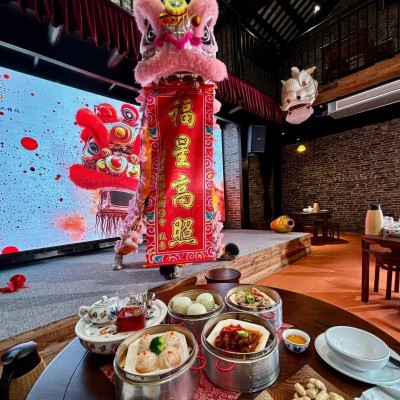
• Foshan (1 day): Ancestral Temple and lion dance performances, just 20 minutes by high-speed rail from Guangzhou
• Chaozhou/Shantou (3 days): The birthplace of Gongfu Cha tea ceremony, ancient architecture, and the most authentic beef hotpot in China
Days 11–17: Hunan — Fire and Mountains
Take the Guangzhou→Zhangjiajie high-speed rail (6 hours). Hunan delivers two extremes: the otherworldly sandstone pillars of Zhangjiajie National Forest Park (the real-life Avatar mountains), and the explosive flavor profile of Changsha's street food scene.
• Zhangjiajie (3 days): Avatar Hallelujah Mountain, Tianmen Mountain's glass walkway, and the Zhangjiajie Hehua Airport (240-hour transit visa-friendly)
• Changsha (3 days): Stinky tofu with five spice levels (as documented by Russian blogger Dima), tea tasting at Chayan Yuese (the brand Korean blogger Kelly can't stop posting about), and foot reflexology — the "painful but addictive" experience that went viral with 380,000+ views
Days 18–23: Jiangsu — Silk, Gardens, and Tea
Fly Changsha→Suzhou (2 hours). Jiangsu is where Chinese aesthetics reach their peak — classical gardens, silk embroidery, and the Biluochun tea workshops in intimate garden settings.
• Suzhou (2 days): Humble Administrator's Garden, Pingjiang Road canal walks, and a Biluochun tea workshop (4–6 people, focus on aesthetics)
• Hangzhou (2 days): Longjing tea village, National Tea Museum, and the 2026 International Tea Day celebrations at West Lake
• Nanjing (1 day): Ming City Wall, Confucius Temple night market
Days 24–30: Yunnan — Ancient Forests and Ethnic Cultures
Fly Nanjing→Kunming (3 hours). Yunnan is the finale — UNESCO tea forests, ethnic minority villages, and landscapes that feel like another country entirely.
• Kunming (1 day): Green Lake Park, flower market, and transfer to Dali
• Dali (2 days): Erhai Lake cycling, Three Pagodas, and Bai ethnic tie-dye workshops
• Lijiang/Shangri-La (3 days): Old Town UNESCO site, Jade Dragon Snow Mountain, and Tibetan monasteries at the edge of the Himalayas
Visa-Free vs. 240-Hour Transit Exemption: Which One Fits You?
Canada and UK citizens have two visa-free options. Understanding the differences helps you choose the right one.
|
Feature |
30-Day Visa-Free Entry |
240-Hour Transit Exemption |
|---|---|---|
|
Eligible countries |
48 (unilateral) |
55 (transit) |
|
Maximum stay |
30 days |
10 days |
|
Entry requirement |
Direct flight to China |
Confirmed onward ticket to 3rd country within 240 hours |
|
Entry ports |
All international airports |
65 designated ports across 24 provinces |
|
Movement scope |
Nationwide |
Within approved administrative region |
|
Application |
None — just show passport |
None — show passport + onward ticket |
|
Best for |
Full China exploration |
Short stopover or business transit |
Recommendation: If you're planning a full China trip, use the 30-day visa-free entry. It's simpler (no onward ticket required) and gives you 3x more time. The 240-hour transit exemption is ideal for travelers who are stopping in China between two other countries and want a concentrated 10-day experience.
Practical Tips for Your First Visa-Free China Trip
12. Set up mobile payment before arrival — Download Alipay and WeChat, bind your foreign credit card via the TourCard feature. Over 90% of merchants in major cities accept mobile payment, and cash is increasingly inconvenient.
13. Book high-speed rail in advance — China's rail network is the world's largest. Use the 12306 app (or Trip.com for English interface) to book tickets 15 days ahead. Peak seasons sell out fast.
14. Stay in international-friendly hotels — All licensed hotels in China can accept foreign guests now (the old "foreigner-ineligible" policy was abolished). But boutique hotels in smaller cities may lack English-speaking staff — book through Trip.com for guaranteed English support.
15. Carry your passport everywhere — Hotels, train stations, museums, and even some restaurants require passport verification. A photocopy won't work.
16. Learn three Mandarin phrases — "Nǐ hǎo" (hello), "Xièxie" (thank you), and "Wǒ bù dǒng" (I don't understand). These three phrases open more doors than any translation app.
17. Avoid peak holiday periods — Chinese National Day (October 1–7) and Spring Festival (January/February) see domestic tourism surges that make attractions crowded and hotels expensive. Plan around these dates.
Plan Your 30-Day China Adventure
Thirty days visa-free is a rare opportunity to experience China's full regional spectrum — from Cantonese food trails in Guangdong to Avatar mountain hikes in Hunan, from silk garden immersion in Jiangsu to ethnic village homestays in Yunnan. Our travel specialists design custom routes that match your pace, interests, and budget.
📧 Contact Sam for Customized Tours