China May Day 2026 Holiday Data: What 325 Million Trips Mean for International Visitors Planning a Trip
The Numbers Behind China's 2026 May Day Boom
China's 2026 May Day holiday (May 1–5) delivered a clear message: the country's tourism engine is running at full throttle. According to data released by the Ministry of Culture and Tourism and reported by Xinhua News Agency on May 7, 2026, domestic trips reached 325 million — a 3.6% year-on-year increase — while tourism spending hit 185.49 billion CNY (approximately $27.08 billion), up 2.9%.
| Metric | 2026 May Day | YoY Change |
|--------|-------------|------------|
| Domestic trips | 325 million | +3.6% |
| Tourism spending | 185.49 billion CNY (~$27.08B) | +2.9% |
| 2025 full-year inbound trips | 150+ million | +17% |
| 2025 inbound spending | $130+ billion | +40% |
For international travelers, these numbers matter because they signal one thing: China's tourism infrastructure — from high-speed rail to mobile payment systems — is scaling to meet demand, and that scale benefits foreign visitors just as much as domestic ones.
Why Inbound Tourism Is Surging: The Visa-Free Effect
The 2025 inbound tourism surge was no accident. China's aggressive expansion of visa-free entry policies has been the single largest driver of growth. As of early 2026:
- 48 countries enjoy unilateral visa-free entry to China
- 29 countries hold mutual visa exemption agreements
- 77 countries total can enter China visa-free under various arrangements
- 65 ports across 24 provinces support the 240-hour transit visa exemption
The result? A 17% increase in inbound trips and a remarkable 40% jump in inbound spending in 2025 alone. For travelers from the EU, ASEAN, Australia, and newly added countries like Canada and the UK (effective February 17, 2026), the barrier to entry has never been lower.
Shoulder Season Strategy: When Smart Travelers Visit China
Here's the insight most travel guides miss: the very infrastructure that handles 325 million trips during Golden Week is available year-round — but at a fraction of the crowd level during shoulder seasons.
Best windows for international visitors:
| Period | Advantage | Top Regions |
|--------|-----------|-------------|
| March–April | Spring blooms, mild weather, pre-holiday calm | Yunnan (jacaranda season), Jiangsu (cherry blossoms) |
| September–November | Autumn foliage, comfortable temperatures, post-National Day quiet | Hunan (Zhangjiajie golden autumn), Guangdong (pleasant warmth) |
| December–February | Winter festivals, hot spring season, lowest prices | Harbin Ice Festival, Guangzhou spa culture |
During these periods, you'll find the same high-speed rail connections, English-language services, and mobile payment convenience — without competing with domestic holiday crowds.
Four Provinces Worth Exploring Beyond Peak Season
Guangdong: Culinary Capital Meets Modern Convenience
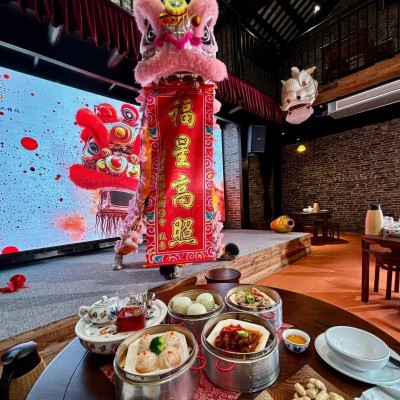
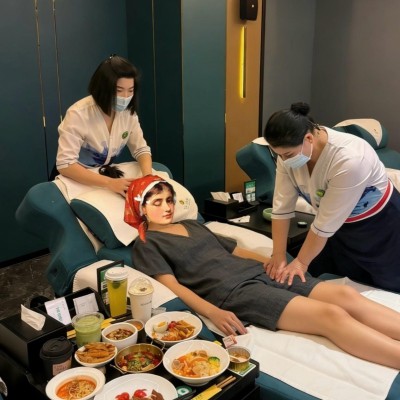
Guangzhou's dim sum culture, Foshan's martial arts heritage, and Shenzhen's tech-forward urban experience make this province a year-round destination. The subtropical climate means comfortable visits even in winter — perfect for a China Spa wellness retreat. Try the morning dim sum circuit at Panxi Restaurant, then explore the Chen Clan Academy's Lingnan craftsmanship.
Hunan: Zhangjiajie Without the Crowds
The Avatar mountains draw massive crowds during Golden Weeks, but visit in September or October (after National Day), and you'll have Tianzi Mountain sunrise viewpoints almost to yourself. The newly launched "Greater Zhangjiajie International Tourism Zone" promises enhanced international services. Changsha's street food scene — from stinky tofu to foot reflexology — adds a viral-worthy cultural layer.
Yunnan: Ethnic Culture and Natural Wonders
Kunming ranks among the top inbound destinations in 2026. The Mile Taiping Lake Desert Park and the expanded "Winter in Yunnan" program offer unique experiences. Spring jacaranda season (April–May) is spectacular — and falls just outside the domestic peak. Dali's Bai ethnic tie-dye workshops and Lijiang's Jade Dragon Snow Mountain deliver experiences no other province can replicate.
Jiangsu: Classical Gardens and Tea Culture
Suzhou's UNESCO-listed gardens, Nanjing's Ming Dynasty heritage, and Yangzhou's tea ceremony traditions provide deep cultural immersion. Spring and autumn offer the best weather for garden visits and outdoor tea experiences. The Biluochun tea workshop in Suzhou — intimate classes of 4–6 people focusing on aesthetics — is a highlight that most international visitors never discover.
Practical Tips for Timing Your China Trip
1. Avoid Golden Weeks entirely — The first weeks of May and October see domestic travel at peak capacity; hotels and attractions are packed
2. Book shoulder season 2–3 months ahead — International flights to second-tier cities fill up during optimal weather windows
3. Use the 240-hour transit visa — If you're already traveling through Asia, a 10-day stopover in China requires no visa at 65 designated ports
4. Set up Alipay and WeChat Pay before arrival — Both now support foreign credit cards with streamlined onboarding; having digital payments ready eliminates 90% of travel friction
5. Contact a specialist for customized itineraries — China's diversity rewards thoughtful planning; a tailored route beats generic package tours every time
Plan Your China Adventure
Whether you're dreaming of Zhangjiajie's Avatar peaks in golden autumn, Guangzhou's legendary dim sum circuit, or a private tea ceremony in Suzhou's ancient gardens, timing your trip outside domestic peak periods transforms the experience from crowded to comfortable. Our travel specialists craft shoulder-season itineraries that deliver maximum depth with minimum crowds.
```html
📧 Contact Sam for Customized Tours
📧 Contact Luppy for Group Bookings
```